 Clearwater Siding
 Why Coachman Ridge Homes Put Extra Demands on Their Windows
Coachman Ridge is a well-established residential pocket of Clearwater, and like most neighborhoods in this part of Pinellas County, its homes spend every year absorbing the same punishment: long stretches of intense UV, sudden wind-driven rain, salt-laden air moving in off the Gulf, and the real possibility of a tropical system pushing hurricane-force gusts through the area. None of that is unique to any one street or block — it's the baseline climate load every home here carries, year after year, whether the house is 15 years old or 45.
Windows sit at the center of that load. They're the weakest point in an exterior wall by design — a manufactured assembly with seals, sealants, and moving parts, set into a rough opening that was framed once and never touched again. When a window fails in this climate, it rarely fails all at once. It fails slowly: a soft spot in the sill, a hazy double-pane, a frame that's chalked and pitted from UV, a track that's corroded from salt air. By the time it's obvious, moisture has usually already found its way into the wall.
Replacing windows correctly in a neighborhood like Coachman Ridge isn't about picking a product out of a catalog. It's about matching the window, the installation method, and the flashing detail to what this specific climate does to a house over time — and doing it in a way that holds up to Florida's wind and water-intrusion requirements, not just looks finished on move-out day.
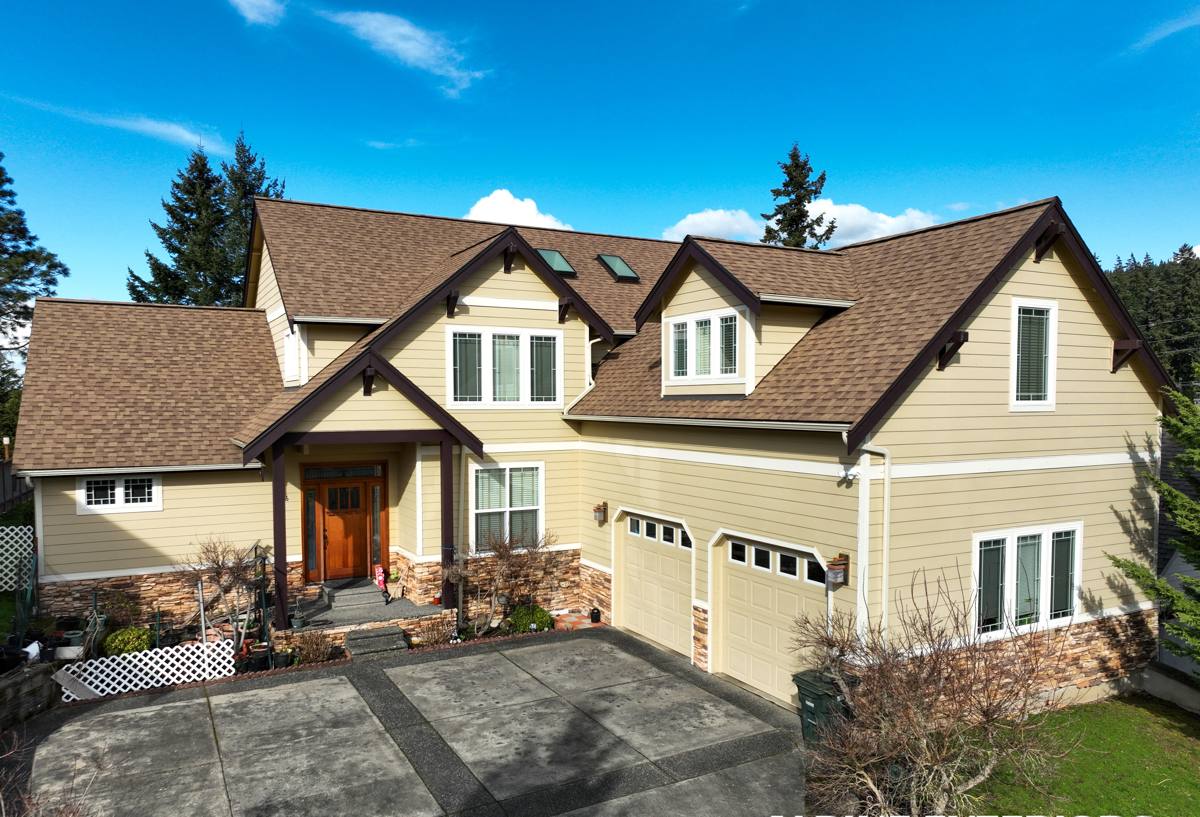
What Local Homes Actually Need From a Window Upgrade
Wind and Pressure Performance
Pinellas County sits within Florida's wind-borne debris region, which means replacement windows here have to meet specific wind pressure and impact standards under the Florida Building Code — not whatever standard applied when the house was originally built. If your home still has its original single-pane aluminum windows, or windows installed before current code cycles, a straight swap without checking current requirements is a common mistake we see from less careful installs.
Water Management, Not Just Water Resistance
Wind-driven rain in a Gulf Coast storm doesn't fall straight down — it drives sideways under pressure, and it will find any gap in flashing, sealant, or fastener placement. A window that's rated for wind pressure but installed without proper flashing and a sloped sill pan will still leak. Water management around the rough opening matters as much as the window unit itself.
UV and Heat Rejection
Central Florida sun degrades vinyl, weakens sealants, and fades interior finishes faster than most homeowners expect. Low-E glass coatings and UV-stable frame materials aren't upsells here — they're the difference between a window that looks and performs the same in year ten versus one that's chalky, warped, or leaking heat by year five.
Salt Air Corrosion Resistance
Clearwater's proximity to the Gulf means salt-laden air reaches inland neighborhoods more than people assume. Hardware, screens, and frame fasteners that aren't rated for coastal exposure corrode faster here than the same products would a hundred miles inland. Frame material and hardware grade both matter more in this zip code than in most of the country.
Comparing Window Options for This Climate
There's no single "correct" window for every home — budget, home style, and how exposed the house is to wind and sun all factor in. Here's how the common choices stack up for a Coachman Ridge home specifically:
| Option | Wind/Impact Performance | Maintenance | Typical Cost Position |
|---|---|---|---|
| Impact-rated laminated glass, vinyl frame | Meets wind-borne debris code without separate shutters | Low — no shutters to store, deploy, or maintain | Mid-to-higher upfront, often lower lifetime cost |
| Non-impact glass + removable/accordion shutters | Meets code only when shutters are properly installed and deployed | Higher — shutters need storage, upkeep, and someone home to close them | Lower upfront, added long-term labor |
| Aluminum frame | Strong structurally, but more prone to corrosion in salt air over time | Moderate — watch for pitting and hardware corrosion | Mid-range |
| Vinyl frame | Good, provided it's a UV-stabilized formulation | Low, if the product is rated for Florida sun exposure | Mid-range |
| Fiberglass frame | Excellent stability under heat cycling and wind load | Low | Higher upfront |
We'll walk through these trade-offs against your actual home, budget, and how exposed your particular elevation is to wind and sun — not just recommend whatever's easiest to install.
What a Correct Installation Actually Involves
The window unit itself is maybe half the job. The other half is everything around it:
- Removing the old unit without damaging the rough opening or surrounding stucco/siding
- Inspecting the sill and framing for hidden water damage or rot before anything new goes in
- Installing a sloped sill pan so any water that gets past the window drains back out, not into the wall
- Applying flashing tape and sealant in the correct order — sealant alone is not a substitute for proper flashing
- Shimming and fastening to manufacturer and code-required specifications so the frame doesn't rack under wind load
- Sealing and finishing the interior and exterior trim so there's no exposed gap for water or pests
- Verifying the finished installation meets the wind pressure rating the window was tested for
Skip any one of these steps and you can end up with a window that's rated correctly on paper but still fails in practice — usually showing up as a leak during the next heavy storm, not on day one.
Our Process for Coachman Ridge Homeowners
- On-site assessment. We look at your existing windows, the condition of the surrounding framing, and how your home's exposure (which direction it faces, how shaded it is, proximity to open ground) affects what performance level makes sense.
- Product selection and quote. We walk through frame material, glass type, and impact vs. shutter options in plain terms, with an honest read on what fits your budget and what each choice means long-term.
- Permitting. Window replacement in Clearwater and unincorporated Pinellas County generally requires a permit, since it involves a code-regulated wind pressure and impact rating. We handle that paperwork rather than leaving it to you.
- Removal and prep. Old units come out carefully, and we inspect the opening before installing anything new — this is where hidden problems get caught early instead of sealed behind a new window.
- Installation. Sill pan, flashing, shimming, and fastening done to spec, followed by proper interior and exterior sealing and trim work.
- Final walkthrough and inspection sign-off. We confirm the work with you and make sure it passes the required inspection before we consider the job finished.
Signs It's Time to Replace, Not Repair
- Fogging or haze between double-pane glass (a sign the seal has failed)
- Windows that are difficult to open, close, or lock — often a sign of frame warping
- Visible daylight or a draft around the frame when the window is closed
- Soft, discolored, or bubbling drywall or wood trim near the window
- Chalky, pitted, or corroded aluminum frames
- A noticeable rise in cooling costs with no other explanation
- Condensation forming on the interior glass regularly, even with A/C running
- Original single-pane windows still in place on an older home
Energy Efficiency: What Actually Moves the Needle
In a climate where air conditioning runs nearly year-round, glass performance matters more than most homeowners realize. Look for a Low-E coating suited to Florida's solar heat gain concerns (not a coating optimized for cold climates), and check the window's NFRC label for U-factor and Solar Heat Gain Coefficient rather than relying on marketing terms alone. A well-chosen window won't transform your electric bill overnight, but paired with good installation and sealing, it removes one more source of unwanted heat gain and air leakage.
Permitting and Code in Clearwater and Pinellas County
Window replacement is regulated work, not a cosmetic swap. Permits confirm that the wind pressure rating, impact rating (or approved shutter protection), and installation method all meet current Florida Building Code requirements for this region. Skipping the permit might save time upfront, but it can create real problems later — at resale, with insurance claims, or if the installation didn't actually meet code and fails during a storm. We pull permits as a standard part of the job, not an optional add-on.
Why It Matters That We Already Work in This Area
A crew that regularly works in Clearwater neighborhoods like Coachman Ridge has already seen how homes of this age and construction type in this climate tend to fail — which sills rot first, which original frame types hold up and which don't, what the local permitting process actually requires versus what's on paper. That familiarity shows up in fewer surprises during the job and a better match between the product we recommend and what your home actually needs, instead of a one-size-fits-all pitch.
After Installation: Keeping New Windows Performing
New windows aren't maintenance-free, even good ones. A quick semiannual check — clearing weep holes of debris, rinsing salt residue off frames and hardware, inspecting exterior sealant for cracking, and making sure tracks move freely — goes a long way toward getting the full lifespan out of the investment. We'll walk you through what to check and how often when the job is done.
If your Coachman Ridge home has windows that are original, leaking, hard to operate, or just past their prime, we're happy to take a look and give you a straightforward, no-pressure estimate — no obligation, just an honest read on what your home needs. The form below is the easiest way to get started.