 Clearwater Siding
 Windows Built for Safety Harbor's Bay-Side Climate
Safety Harbor sits right on Old Tampa Bay, which means homes here take on a different mix of stress than a house a few miles inland. You've got the salt air rolling off the water working on every metal fastener and finish, intense year-round Florida UV breaking down seals and vinyl, wind-driven rain during summer storms testing every joint around a window frame, and the real chance of hurricane-force gusts putting direct pressure on the glass and the wall opening behind it. Any one of these will eventually find a weak spot in an old or poorly installed window. Together, they speed up the timeline considerably compared to a drier, inland climate.
That's the lens we bring to every window job in this neighborhood: it's not just about picking a window that looks good and fits the hole in the wall. It's about a product and an installation method that can hold up to Pinellas County's specific combination of heat, moisture, salt, and wind, year after year.
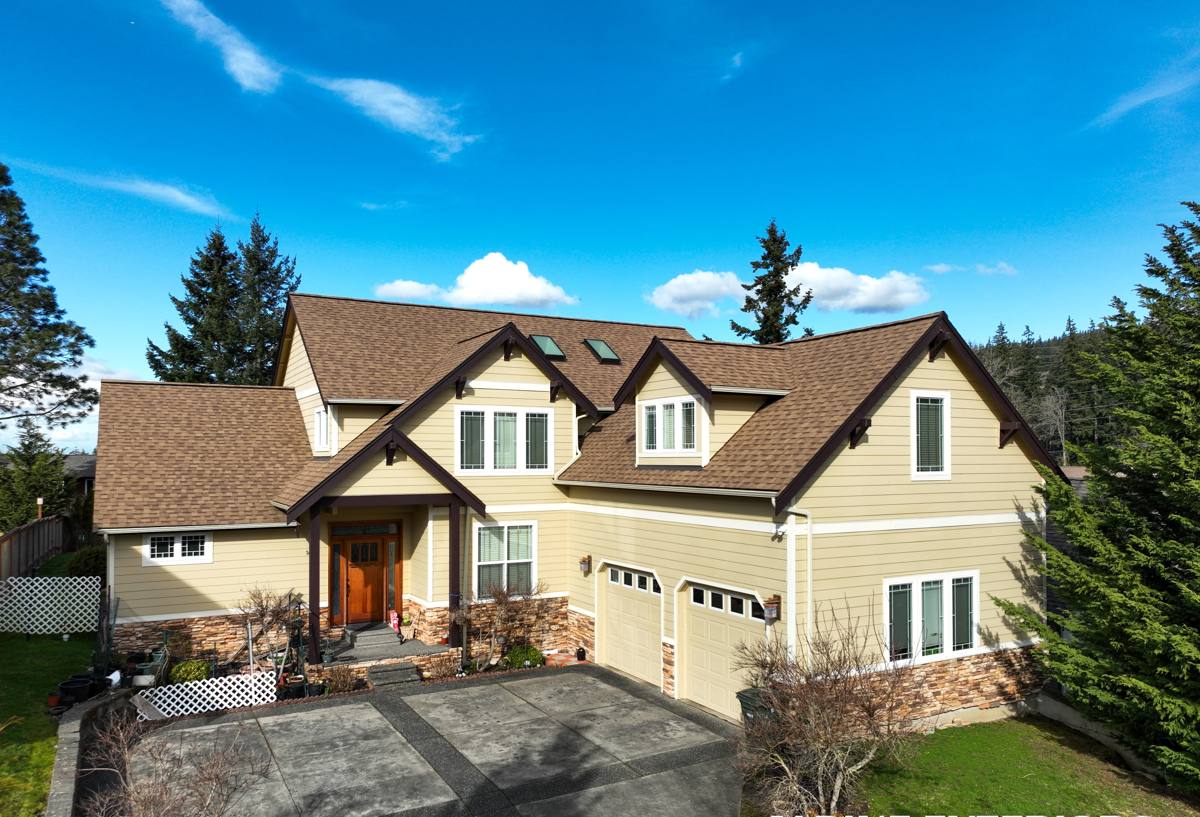
Signs Your Current Windows Are Losing the Fight
Most window failures in this area don't happen all at once — they show up as small annoyances first, then get worse. Here's what we look for when we inspect a Safety Harbor home:
- Fogging or a permanent haze between panes of double-glazed glass (a sign the seal has failed and the insulating gas has escaped)
- Windows that are noticeably harder to open, close, or lock than they used to be
- Visible daylight, drafts, or whistling around the frame during windy weather
- Soft or discolored wood, or a musty smell, in the wall or trim surrounding the window
- Chalky, pitted, or corroded aluminum frames — common on older homes closer to the water
- A jump in cooling costs with no other obvious explanation
- Condensation forming on the inside of the glass regularly, even when the AC is running
Any one of these on its own might just need a repair. Several at once, especially on a home that's had its original windows for 15-20+ years, usually means it's time to talk about replacement before a storm forces the issue.
What a Correct Window Installation Actually Involves
Window installation looks simple from the outside — pull the old one out, put the new one in — but the parts that actually determine whether a window survives its first hurricane season are mostly hidden once the trim goes back on.
Removing the Old Window Without Damaging the Opening
The rough opening behind your existing window is often decades old and may have settled slightly or picked up hidden moisture damage over the years. We remove the old unit carefully and inspect the framing, sill, and sheathing underneath before anything new goes in. Rushing this step is how you end up sealing rot or damage inside a wall for another decade.
Flashing and Waterproofing Before the New Window Goes In
Wind-driven rain doesn't fall straight down — in a coastal storm it gets pushed sideways and upward into gaps that a calm-weather installation would never expose. Proper flashing tape and a correctly lapped water barrier around the opening are what keep that rain out of your wall cavity. This is invisible once the job is done, but it's the single biggest factor in whether a window leaks during its first real storm.
Anchoring for Wind Load, Not Just Fit
A window that "fits" in the opening and a window that's anchored to resist wind pressure are two different things. Fasteners, spacing, and shimming all need to match the window manufacturer's tested installation instructions and the wind requirements in the Florida Building Code for this part of Pinellas County — not just be tight enough that the window doesn't rattle.
Sealing the Exterior Properly
The exterior sealant bead is the last line of defense and the first thing UV and salt air attack. We use sealants rated for exterior, coastal exposure and tool every joint so water sheds off instead of pooling — a detail that's easy to rush and expensive to redo.
Impact-Rated Glass vs. Standard Glass With Shutters
In Pinellas County, homeowners generally have two ways to meet the windborne-debris protection expected under the Florida Building Code: impact-rated windows with laminated glass built to stay intact when struck, or standard glass paired with code-approved storm shutters or panels installed before a storm. Both are legitimate approaches, and the right one depends on your budget, how the home is used, and how much you want to deal with before every storm.
| Factor | Impact-Rated Windows | Standard Glass + Shutters |
|---|---|---|
| Storm prep effort | None — always in place | Shutters must be installed/removed each storm |
| Upfront cost | Higher per window | Lower window cost, added shutter cost |
| Daily UV and noise reduction | Better, year-round | No benefit until shutters are up |
| Insurance considerations | Often favorable | Varies by shutter type and rating |
| Appearance | Unchanged, no visible hardware | Shutters visible when deployed |
For a home that's occupied full-time or rented out, most owners in this area lean toward impact-rated glass simply because it removes the "did I get the shutters up in time" question entirely. For a seasonal or vacation property, shutters can make financial sense. We'll walk through both honestly rather than push whichever costs more.
Choosing a Frame Material for Salt Air Exposure
Being close to Old Tampa Bay means salt-laden air reaches Safety Harbor homes more consistently than it does further inland. Frame material matters more here than in a landlocked neighborhood.
| Frame Material | Salt Air Resistance | Maintenance | Best For |
|---|---|---|---|
| Vinyl | Excellent — won't corrode | Low, occasional cleaning | Most homes, best overall value near the water |
| Aluminum | Fair — prone to pitting/corrosion over time near the bay | Moderate to high in coastal exposure | Homes wanting a slim sightline, with regular upkeep planned |
| Fiberglass | Very good, dimensionally stable | Low | Owners wanting minimal expansion/contraction and long-term durability |
We don't push any one material as the only right answer — it's a genuine trade-off between upfront cost, upkeep, and how the frame will hold up to years of salt exposure. What we won't do is install a frame material that we know will need constant attention in this specific setting without telling you that up front.
Permits and Florida Building Code in Pinellas County
Window replacement in Safety Harbor is permitted work, and for good reason — the permit process is what confirms the new windows and their installation meet the wind-borne debris and structural requirements set out in the Florida Building Code for this region. A legitimate installer pulls the permit, schedules the required inspections, and can show you the product approval documentation for the specific windows going into your home. Skipping this step might save a little time up front, but it can create real problems later with insurance claims, home sales, or future storm damage disputes.
Our Installation Process
- On-site assessment: We measure openings, inspect existing framing and sill condition, and talk through your priorities — storm protection, energy efficiency, noise, or budget.
- Product selection: We go over frame material, glass, and impact vs. shutter options with honest pros and cons for your specific home and how it's used.
- Permitting: We handle the permit application through Pinellas County and schedule the required inspections.
- Removal and opening prep: Old windows come out carefully; any hidden rot, moisture, or framing issues are addressed before installation continues.
- Installation: Windows are set, shimmed, and anchored per manufacturer and code requirements, with flashing and waterproofing done in the correct sequence.
- Sealing and finish work: Exterior sealant, interior trim, and cleanup so the job looks finished inside and out.
- Final walkthrough and inspection: We confirm operation, sightlines, and sealing with you, and pass the county's final inspection.
Why Hire a Crew That Already Works in Safety Harbor
A lot of window problems in this area trace back to installation methods that would be fine in a milder climate but weren't built for a bay-front wind and salt environment. A crew that regularly works in and around Safety Harbor already knows what the local wind exposure and permitting process actually require, has a working relationship with the Pinellas County permitting office, and has seen firsthand how different frame materials and sealant products hold up here over time — not just in a manufacturer's brochure. That local track record is worth more than a lower bid from a crew that's never worked this close to the water before.
Maintaining Your Windows in a Salt-Air Environment
Even a correctly installed window benefits from some basic upkeep in this climate. A few habits go a long way:
- Rinse frames and glass periodically with fresh water to clear salt residue, especially after storms
- Check exterior caulking and sealant once a year for cracking or separation
- Keep weep holes on aluminum or vinyl frames clear of debris so water can drain properly
- Lubricate locks and hardware annually to prevent salt-related stiffness or corrosion
- Have shutters or panels inspected before hurricane season if you're relying on that system
If you're noticing any of the warning signs above, or you just want a straight answer about whether your current windows will hold up through another storm season, we're happy to take a look. A free, no-pressure estimate gets you a clear picture of your options and honest numbers — no obligation, just information you can use to make the right call for your home.