 Clearwater Siding
 Windows in Del Oro Take a Different Kind of Beating
Del Oro homes sit in one of the toughest window environments in the country, even by Florida standards. It's not one problem — it's four working on the glass and frame at the same time, year-round. Hurricane-force wind events test the structural connection between window and wall. Wind-driven rain finds any gap in flashing or sealant and pushes water sideways and upward, not just down. Intense, near-constant UV breaks down vinyl, weatherstripping, and low-quality seals faster than it does in most of the country. And salt air, carried in off the Gulf, corrodes hardware, fasteners, and aluminum components that weren't specified for a coastal environment.
None of that is unique to Del Oro specifically — it's true across Clearwater and Pinellas County generally. What is specific to this neighborhood is that we've installed and serviced windows on homes here long enough to know which builders used which products, which orientations take the worst weather exposure, and which older installations are due for attention before the next storm season rather than after.
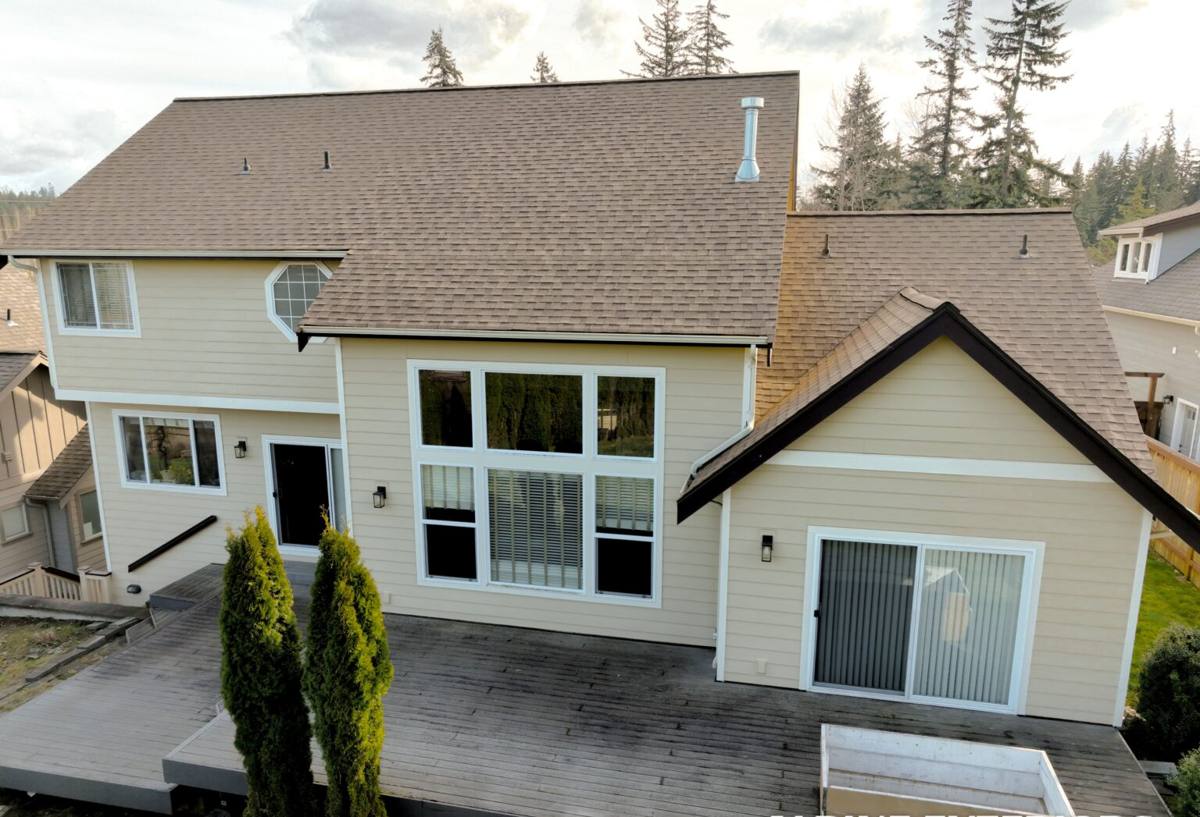
What a Correct Installation Actually Involves
Window installation is one of those jobs that looks simple from the outside and isn't. A window that's the right product but installed wrong will fail before a cheaper window installed correctly. The parts that matter most, and that are easiest for a rushed crew to skip, include:
- Rough opening prep — checking that the opening is square, level, and free of rot or moisture damage before anything goes in
- Flashing sequence — sill pan flashing and a properly shingled (layered) tape or flashing membrane so water is always directed outward, never trapped behind the window
- Fastening schedule — the number, spacing, and type of fasteners matters for wind load; this is specified by the window's product approval, not guesswork
- Sealant selection and joints — the right sealant for the substrate, applied as a continuous bead, not just dabbed at the corners
- Interior and exterior trim-out — finishing that protects the flashing work underneath rather than just covering it up
Skipping or rushing any one of these doesn't usually show up as a problem on day one. It shows up as a leak during the next wind-driven rain event, or as a window that underperforms its rating in a storm because it wasn't fastened the way it was tested.
Impact-Rated vs. Standard Windows for This Area
Homeowners in Del Oro generally choose between standard dual-pane windows (often paired with separate shutters) and impact-rated windows built to resist wind-borne debris without additional hardware. Both are legitimate choices — the right one depends on budget, how the home is used, and personal preference around storm prep.
| Factor | Standard Windows + Shutters | Impact-Rated Windows |
|---|---|---|
| Storm prep required | Yes — shutters must be installed before each storm | No — permanently protected |
| Upfront cost | Lower window cost, plus shutter cost | Higher per-window cost |
| Daily appearance | Unobstructed view; shutters stored separately | Slightly heavier frame and thicker glass, always in place |
| UV and noise performance | Standard | Generally better UV blocking and sound dampening due to laminated glass |
| Insurance considerations | Varies by carrier and shutter type | Often qualifies for wind mitigation credits — confirm with your carrier |
We'll walk through both options honestly during an estimate rather than pushing the higher-margin product. For some Del Oro homes, especially rentals or homes owners aren't at year-round, impact windows remove the storm-prep burden entirely. For others, standard windows with a good shutter system are the more cost-effective path.
Frame Material Considerations
Vinyl frames are common and cost-effective, but UV exposure this intense will eventually make lower-grade vinyl brittle and prone to warping at the corners. Aluminum frames handle structural wind loads well but need marine-grade or coated hardware to resist salt-air corrosion — uncoated fasteners on an aluminum-framed window near the coast are a maintenance problem waiting to happen. Fiberglass costs more upfront but resists both UV degradation and corrosion better than either alternative, which is why we recommend it more often on homes with direct coastal exposure.
Signs a Del Oro Home's Windows Need Attention
Because failures here are gradual, most homeowners don't notice a problem until it's already caused damage. Some signs worth acting on before they become bigger repairs:
- Fogging or condensation between panes — the seal has failed and the insulating gas has escaped
- Visible daylight or drafts around the frame when the window is closed
- Soft or discolored drywall or trim below or beside a window after a rain event
- Difficulty opening, closing, or locking — often frame warping from heat and UV cycling
- Chalky, faded, or pitted exterior frame finish, especially on south- and west-facing windows
- Visible rust streaking from hardware or fasteners
Our Installation Process
We keep the process straightforward because most of the risk in a window job is in the details, not the schedule:
- On-site assessment — we look at each opening individually, not just the home as a whole. Orientation, existing damage, and wall assembly all affect the plan.
- Product selection — we go over standard vs. impact options, frame material, and glass packages based on your budget and how you use the home.
- Permitting — window replacement in Clearwater and unincorporated Pinellas County requires a permit and inspection; we handle that paperwork rather than leaving it to the homeowner.
- Removal and opening prep — old units come out carefully so we can inspect the rough opening for hidden rot or moisture damage before it's covered back up.
- Flashing and installation — sill pan, flashing, fastening to the manufacturer's approved schedule, and sealant, in that order.
- Trim-out and final seal — interior and exterior finishing, then a check of every reveal and joint.
- Inspection — we coordinate the final inspection so the job is closed out properly on record, which matters for future insurance and resale purposes.
Permits, Wind Zones, and Code Requirements
Pinellas County falls under the Florida Building Code's wind-borne debris region requirements, which means replacement windows generally need to meet a minimum design pressure rating or be paired with approved impact protection — this isn't optional and isn't something a reputable contractor should skip past. Every window we install carries a Florida Product Approval number matched to the specific opening's exposure and pressure rating, and every job gets permitted and inspected. If a contractor offers to skip the permit to save time or money, that's a red flag, not a favor — it leaves you without an inspection record, which can matter at resale or during an insurance claim.
Why Hiring a Crew That Already Works Del Oro Matters
A window installer who mainly works inland doesn't think about salt-air fastener corrosion or wind-driven rain the same way a crew working the Clearwater coastline every week does. We're not guessing at what holds up here — we're adjusting based on what we've seen fail and what's held up on homes in this exact area under real Gulf-front weather. That local pattern recognition is the difference between a window that meets code on paper and one that actually performs through years of Pinellas County summers and storm seasons.
Questions Worth Asking Any Contractor Before You Hire
- Are you licensed to work in Pinellas County, and can I see your license number?
- Will you pull the permit yourself, and is that included in your quote?
- What's the Florida Product Approval rating on the specific window you're proposing for my opening?
- What fastener and hardware material are you using, and is it rated for coastal salt exposure?
- What does your workmanship warranty cover, separate from the manufacturer's window warranty?
What Installation Typically Costs
Costs vary widely based on window size, frame material, glass package, and whether the opening needs structural repair before the new window goes in. As a rough starting point, standard vinyl replacement windows tend to run at the lower end of the range, impact-rated vinyl or aluminum in the middle, and impact-rated fiberglass or larger openings at the higher end. We won't quote a firm number without seeing the actual openings — a same-size window can cost very differently depending on what we find once the old one comes out.
If you're weighing window replacement for a home in Del Oro, we're happy to come take a look and give you a straightforward, no-pressure estimate — no obligation, just an honest read on what your home actually needs. The form below is the fastest way to get that scheduled.