 Clearwater Siding
 Why Sunset Point Homes Take a Beating From Florida's Coast
Sunset Point sits close to open water on Clearwater's west side, which means the siding on these homes works harder than siding almost anywhere inland in Pinellas County. It isn't one thing wearing your exterior down — it's four things happening at once, year after year.
Hurricane-force winds test every seam, fastener, and joint in a siding system, and they don't need to be a named storm to do it — a strong summer squall rolling off the Gulf can drive rain sideways into a wall assembly that isn't sealed correctly. Add the near-constant salt air off Old Tampa Bay and the Intracoastal, which slowly corrodes unprotected metal fasteners and trim, and you've got a climate that punishes shortcuts. Then there's the sun. Pinellas County gets some of the most intense, sustained UV exposure in the continental United States, and siding facing south or west absorbs that heat and light for most of the day, every day, all year.
None of these forces are dramatic on their own. The damage shows up slowly — a soft spot near a window sill, a color that's faded unevenly, a seam that's started to gap. By the time it's visible, the underlying material has usually been compromised for a while.
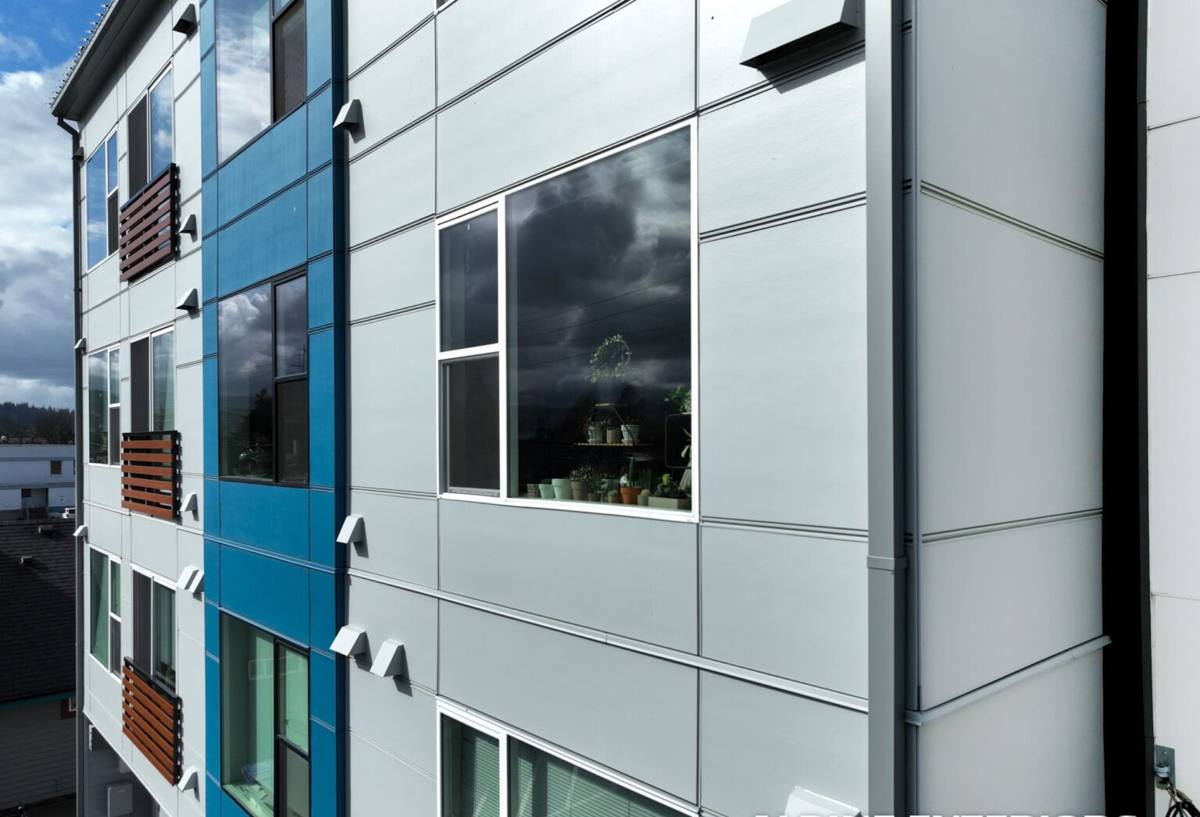
Warning Signs a Sunset Point Home Needs Replacement, Not a Patch
Not every siding problem calls for a full tear-off. But in a coastal wind zone like this one, patching over damage without understanding what caused it usually just delays a bigger repair. Here's what tells us a home needs a real replacement conversation:
- Soft, spongy, or crumbling siding near the bottom edges, window sills, or corner trim
- Visible warping, buckling, or panels that have separated from the wall
- Paint that's peeling or blistering in patterns that follow the siding seams, not just the surface
- Interior signs — musty smell, discolored drywall, or peeling interior paint on an exterior wall
- Rust streaking from fasteners or trim, a sign that metal components have been exposed to salt air too long
- Siding that's more than 20-25 years old, especially wood-based or older composite products never designed for this climate
- Repeated caulking and touch-up repairs that keep reopening within a year or two
If you're only seeing one or two of these, a repair may still make sense. If you're seeing several at once, especially soft spots combined with interior signs of moisture, that's usually a sign the water-management layer behind the siding has failed — and that's a whole-wall problem, not a cosmetic one.
Why We Only Install James Hardie Fiber Cement in This Neighborhood
We install one siding system: James Hardie fiber cement. That's not a marketing preference — it's a standard we hold to because of what we see happen to other materials in this exact climate. Vinyl softens and can distort in sustained high heat and shows every hurricane-force gust as flex in the panel. LP SmartSide, primed spruce, and cedar are wood-based products, and wood-based siding, no matter how well it's treated, has to fight moisture absorption its entire life in a place with this much wind-driven rain and humidity. Cemplank and Allura are also fiber cement, but we've standardized on Hardie specifically for its HardieZone system, its factory-applied ColorPlus finish, and the depth of its warranty backing.
James Hardie is non-combustible fiber cement — it doesn't provide fuel the way wood-based products do, and it doesn't soften or warp from heat the way vinyl can. Hardie engineers its HZ5 product line specifically for high-humidity, high-UV climates like ours, which affects the formulation, not just the marketing on the box. The ColorPlus finish is baked on at the factory under controlled conditions, which is a meaningfully more durable and consistent result than field-applied paint, and it holds color better against the kind of relentless sun Sunset Point gets. It also carries a strong, transferable limited warranty — worth real money if you sell the home down the road.
None of that matters, though, if the product isn't installed correctly. Fiber cement is less forgiving of installation mistakes than people expect, and in a coastal wind zone, the installation details matter as much as the material itself.
How James Hardie Compares to Other Siding Materials in This Climate
| Material | Wind performance | Moisture behavior | UV/color durability |
|---|---|---|---|
| James Hardie fiber cement | Rigid, engineered fastening for high-wind zones | Non-combustible, dimensionally stable, resists moisture absorption | Factory ColorPlus finish holds color far longer than field paint |
| Vinyl siding | Can flex, buckle, or blow off panels in sustained high wind | Doesn't rot, but seams and gaps allow water intrusion behind panels | Can fade and become brittle under intense, sustained UV |
| LP SmartSide / primed spruce / cedar | Adequate when new, but weakens as wood fibers absorb moisture over time | Wood-based — ongoing risk of swelling, rot, and pest damage | Requires regular repainting/resealing to maintain protection |
What a Correct Siding Replacement Actually Involves
Siding replacement isn't just removing old panels and nailing up new ones. In a wind-driven-rain climate, the parts nobody sees are what determine whether the job lasts.
Tear-Off and Wall Inspection
Once the old siding is off, that's the only chance anyone gets to actually look at the wall sheathing underneath. We check for soft or rotted sheathing, signs of past moisture intrusion, and anything that needs to be corrected before new siding goes back on. Covering up a compromised wall with new siding just hides the problem for another few years.
Moisture Barrier and Flashing
A weather-resistive barrier goes on correctly lapped so water sheds downward and outward, never behind the layer beneath it. Flashing gets installed at every window, door, and horizontal trim transition — these are the highest-risk points for wind-driven rain to find a way in, and they're also the places most likely to be rushed on a lower-quality install.
Fastening for Wind Zone Requirements
Pinellas County sits in a high-wind coastal zone, and fastener spacing, type, and placement have to match what that requires — not a generic pattern used everywhere in the state. Hardie's installation specifications include wind-zone-specific fastening schedules, and following them is what keeps panels attached through a real storm rather than just a calm afternoon.
Finish Work and Sealing
Joints, corners, and trim get sealed with products rated for exterior, coastal exposure. This is also where a factory-finished product like ColorPlus has an advantage — there's far less field-painted surface area exposed to the elements from day one.
Our Siding Replacement Process
- On-site assessment — we walk the whole exterior, not just the area you're worried about, and check for moisture, ventilation, and trim issues that affect the scope.
- Written estimate — a clear scope of work and cost, with the reasoning behind it, before anything is scheduled.
- Material order and scheduling — Hardie panels and trim ordered in the profile and ColorPlus finish you choose.
- Tear-off and wall inspection — old siding removed, sheathing inspected, and any necessary repairs discussed with you before covering it back up.
- Weather barrier, flashing, and installation — installed to Hardie's specifications and the wind-zone fastening requirements for this area.
- Final walkthrough — we go over the completed work with you directly and address anything before we call the job done.
Cost Factors for Sunset Point Siding Replacement
Every home is different, so we don't quote a number without seeing the house, but these are the main factors that move the price up or down on a typical siding replacement in this area:
| Factor | Why it affects cost |
|---|---|
| Home size and wall complexity | More square footage and more corners, gables, and trim details mean more material and labor |
| Condition of the sheathing underneath | Rotted or damaged sheathing found during tear-off needs to be repaired before new siding goes on |
| Siding profile and finish selection | Lap width, board-and-batten accents, and ColorPlus color selection affect material cost |
| Trim and detail work | Window and door surrounds, fascia, and soffit work add labor beyond flat wall panels |
| Access and site conditions | Landscaping, fencing, or limited access around the home can affect labor time |
Why Hiring a Crew That Already Works Sunset Point Matters
A siding crew that's worked this specific area understands things a generalist contractor has to learn on your project. That includes Pinellas County's permitting process and inspection requirements, the wind-load code that applies to homes this close to the water, and the practical realities of working near the Intracoastal — like accounting for salt exposure in fastener selection and flashing details from day one instead of after a problem shows up.
It also means understanding what's typical for homes in this part of Clearwater — the age and construction of the housing stock, common trim details, and the kind of moisture and ventilation issues that tend to show up here specifically. That local pattern recognition is what lets an experienced crew catch a problem during tear-off instead of missing it.
Caring for Your New Siding After Installation
James Hardie siding is low-maintenance, not no-maintenance. A rinse with a garden hose a few times a year clears off salt residue and airborne debris before it builds up. Keep an eye on caulking around trim and penetrations — resealing occasionally is normal upkeep, not a sign of a problem. And keep sprinklers and irrigation aimed away from the siding where possible; constant direct water contact at the base of a wall is hard on any exterior material over time, Hardie included.
If you're seeing warning signs on your current siding, or you just want a straight answer on whether repair or replacement makes more sense for your home, we're happy to take a look. Reach out for a free, no-pressure estimate using the form below.