 Clearwater Siding
 Windows Built for Sunset Point's Waterfront Exposure
Sunset Point sits close to Clearwater's open water, and that location cuts both ways. It's part of what makes the area desirable, but it also means the windows on these homes work harder than windows almost anywhere inland. Salt-laden air, direct sun for most of the day, and wind that can shift from a light bay breeze to hurricane force in the same season all land directly on the glass and frames. A window that's fine in a shaded, inland neighborhood can fail early here if it isn't matched to the exposure.
Custom windows aren't about luxury add-ons. In a lot of Sunset Point homes, "custom" simply means the window has to be built or modified to fit an opening, a wall condition, or an architectural detail that a stock size won't handle correctly. Getting that fit right, in the right materials, for this specific stretch of Pinellas County, is the whole job.
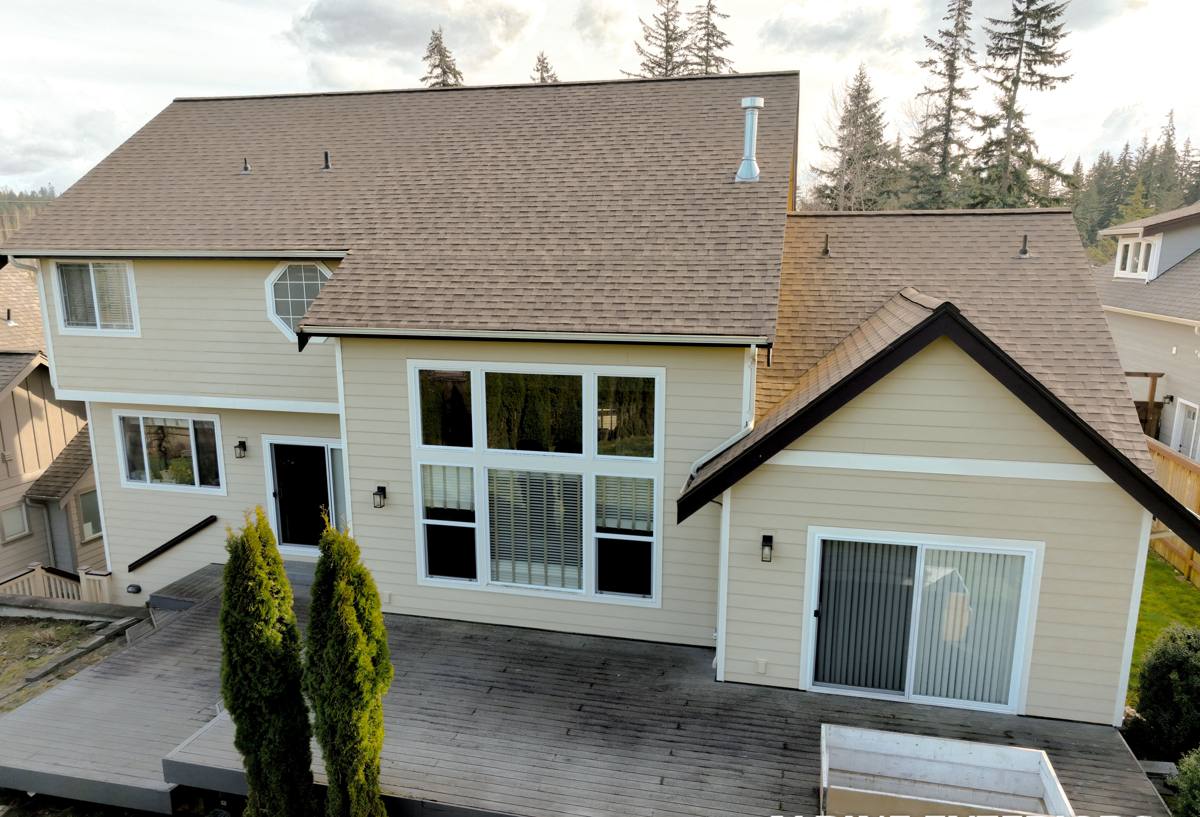
What Clearwater's Climate Actually Does to Windows
UV exposure
Florida sun is intense and consistent almost year-round. UV breaks down vinyl, weakens seals, and fades interior finishes near windows that don't have adequate glass coatings. Over years, cheap glazing yellows and frames on the sun-facing side of a house can warp faster than the shaded side.
Wind-driven rain
It's not just how much rain falls — it's the angle it arrives at. Wind-driven rain gets pushed sideways into gaps that would never leak in a calm storm. Most water intrusion around windows we see isn't a failed window itself; it's a flashing or sealant detail that couldn't handle rain being forced horizontally against the wall.
Salt air
Being close to the water means airborne salt settles on everything, including window hardware, screens, and frame fasteners. Salt accelerates corrosion on lower-grade metal components and can pit or cloud certain finishes over time. Hardware and fastener quality matter more here than they do a few miles inland.
Hurricane-force wind
Pinellas County sits in a hurricane-prone wind zone, and Sunset Point's proximity to open water means it can see the higher end of local wind speeds during a storm. Windows and their attachment to the wall structure need to be engineered for that load, not just for daily weather.
What "Custom" Means for Homes in This Area
A lot of homes in and around Sunset Point were built decades ago, and openings in older Florida block construction rarely match today's standard window sizes exactly. Custom windows come into play when:
- The rough opening is a nonstandard size and a stock window would leave gaps or require oversized shims
- The home has an unusual shape — an arch, a corner window, or a specialty geometry — that off-the-shelf sizing can't fill
- You're replacing an original window with a modern impact-rated unit, and the opening needs to be adjusted or re-flashed to accept the new frame depth
- You want to change the window style (for example, converting a jalousie or awning window to a fixed or single-hung unit) as part of a broader exterior update
- The exterior wall has settled or shifted slightly over the years, so the opening is no longer perfectly square
In every one of these cases, the fix isn't forcing a standard product into a space it wasn't made for. It's measuring precisely, ordering or building to that measurement, and installing with flashing and sealant details appropriate to the wall assembly.
Choosing the Right Window Type and Material
There's no single "best" window for every Sunset Point home — it depends on sun exposure, budget, and how close the home sits to open water. Here's how the common frame materials compare for this environment:
| Material | How it handles salt air | How it handles UV/heat | Maintenance |
|---|---|---|---|
| Vinyl | Good — won't corrode | Can soften or warp over many years of direct sun if lower-grade | Low |
| Aluminum | Needs a quality coating; bare or poor-grade aluminum corrodes faster near the water | Handles heat well, doesn't warp | Low to moderate |
| Fiberglass/composite | Very good — dimensionally stable and resistant to corrosion | Excellent — holds up well to sun and heat cycling | Low |
| Wood or wood-clad | Poor unless heavily protected and maintained | Needs regular finish upkeep | High |
We don't install every material on that list for every home. Wood interiors can look great, but in a salt-air, high-UV coastal pocket like this one, the maintenance burden is real, and we'll say so upfront rather than sell a product that's going to be a headache in five years. For most Sunset Point homes, vinyl or fiberglass frames with a quality impact-rated glass package are the most sensible long-term match for the exposure.
Impact-Rated Glass and What Florida Code Requires
Pinellas County falls within Florida's wind-borne debris region, which means new and replacement windows generally need to meet impact resistance or be paired with an approved protective system. There are two ways to get there:
- Impact-rated windows — laminated glass built to stay intact under wind-borne debris impact and sustained pressure, with no separate shutters needed
- Non-impact windows with approved protection — standard glass paired with code-compliant shutters or panels installed before a storm
Both approaches are legitimate and code-compliant when done correctly. Impact windows cost more upfront but require no storm-prep labor and offer year-round UV and noise benefits. Non-impact windows with shutters cost less initially but mean someone has to install protection before every storm. We'll walk through both honestly based on your budget and how the home is used — this isn't a one-size-fits-all recommendation.
Whichever route you take, the work needs a permit through the local building department, and the installed product needs a valid Florida product approval or Miami-Dade NOA rating for the wind zone. Skipping that step is one of the most common corners cut by unlicensed installers, and it can cause real problems at resale or during an insurance claim.
How We Approach a Sunset Point Windows Project
- On-site measurement and assessment. We look at the actual openings, the wall condition, sun exposure on each elevation, and how close the home is to open water — that affects the material and glass package we recommend.
- Product selection and permitting. We help you choose windows rated for the wind zone and the home's exposure, then handle the permit application with the local building department.
- Careful removal and opening prep. Old frames come out without damaging the surrounding wall more than necessary. We check for hidden water damage or rot around the opening before anything new goes in — this is where problems from years of wind-driven rain often surface.
- Installation with proper flashing and sealant. The window itself is only part of a watertight system. Flashing, backer rod, and sealant details around the frame are what actually keep wind-driven rain out, and we don't skip them to save time.
- Final inspection and walkthrough. Once the work passes inspection, we walk the finished openings with you so you know how the hardware operates and what maintenance, if any, the product needs.
Signs Your Windows Are Due for Replacement
Not every window problem means a full replacement, but these are the signs worth having looked at:
- Fogging or a permanent haze between panes — the seal has failed and the insulating gas is gone
- Frames that feel soft, chalky, or show visible pitting and corrosion
- Difficulty opening, closing, or locking — often a sign the frame has shifted or warped
- Visible daylight or a draft around the frame when the window is closed
- Water staining on the wall or sill after wind-driven rain
- Windows that predate current wind-zone code and have no documented impact rating
- Noticeably higher cooling bills with no other explanation
What Affects the Cost of Custom Windows
Pricing varies a lot based on the specifics of the home, so we won't quote a number without seeing the openings. In general, these are the factors that move the price up or down:
| Factor | Effect on cost |
|---|---|
| Standard size vs. custom/nonstandard opening | Custom sizing costs more due to fabrication and precision fitting |
| Impact-rated glass vs. standard glass | Impact glass carries a higher material cost but removes the need for separate storm protection |
| Frame material (vinyl, fiberglass, aluminum, wood) | Fiberglass and wood typically cost more than vinyl or standard aluminum |
| Number of windows and access | Multiple openings or hard-to-reach second-story windows add labor time |
| Condition of the existing opening | Hidden rot, settling, or old flashing failures add repair work before the new window goes in |
As a broad guide, homeowners in this area typically budget more for full impact-rated custom units than for standard replacement windows in stock sizes — but the right number depends entirely on what your specific openings need. That's why we measure and inspect before giving a real figure, not a rough estimate off a phone call.
Why It Matters to Hire a Crew That Already Works This Area
Sunset Point isn't a huge neighborhood, but its position near the water gives it its own set of construction realities: the specific wind exposure, the age and construction style of a lot of the housing stock, and the way sun and salt hit a home differently depending on which direction it faces. A crew that's worked this stretch of Clearwater knows what to check for before removing an old window — where water intrusion tends to hide, which older construction details need extra attention during a retrofit, and what the local permitting process actually requires.
That local familiarity also means fewer surprises mid-project. We're not learning the wind zone requirements or the county's inspection expectations for the first time on your house. We've already accounted for them, which keeps the project on schedule and keeps the finished work durable in the conditions this specific location deals with, not generic conditions from somewhere else in the state.
If you're weighing whether your Sunset Point home needs a few replacement windows or a full custom package, we're happy to take a look and give you a straight answer — no pressure, no hard sell. Fill out the form below for a free estimate, and we'll walk your home's openings with you in person.