 Clearwater Siding
 Storm Damage Roof Repair for Sunset Point Homes
Sunset Point sits close enough to the water that every roof in the area takes a harder beating than most homeowners realize. Between hurricane-season wind events, the wind-driven rain that comes with almost every serious Gulf storm, and the steady grind of intense Florida UV and salt air the rest of the year, roofs here age faster and fail differently than roofs inland. If you've had a storm roll through and you're not sure whether your roof needs a few repairs or something more serious, this page walks through what we actually look for, how we handle it, and why local experience with this specific stretch of Clearwater matters.
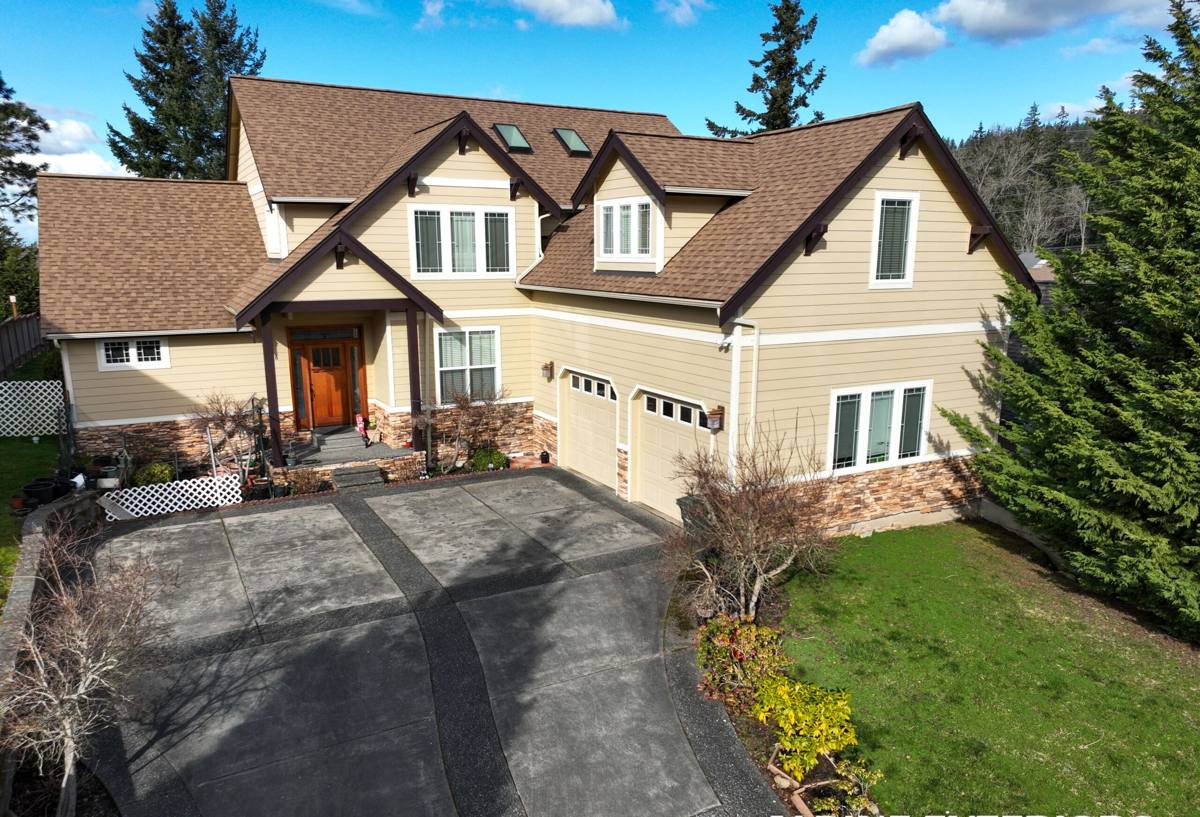
Why Sunset Point Roofs Take Extra Punishment
Pinellas County as a whole deals with a tough combination of weather stressors, but homes closer to the water — including Sunset Point — get an extra dose of a few of them.
Wind
Even storms that don't reach hurricane strength can produce gusts strong enough to lift shingle tabs, crack tile, or peel back the edges of a roof system that's already a little loose. Once wind gets under a single shingle or tile, it doesn't take much more to start working the next one loose too. Roof edges, ridge lines, and any spot where flashing meets a wall or vent are the areas we check first after any significant wind event.
Wind-Driven Rain
Straight-down rain is rarely what causes the damage. It's rain pushed sideways under shingles, around vent boots, and into any gap in flashing that leads to actual water intrusion. A roof can look intact from the ground after a storm and still have water working its way into the decking underneath — which is why a proper post-storm inspection isn't just a visual walk-around from the driveway.
UV and Heat
Florida sun is hard on roofing materials year-round, not just during storm season. UV exposure dries out and embrittles shingles, breaks down sealants, and shortens the working life of roofing cement and adhesives. A roof that's already UV-stressed is far more likely to suffer real damage in a wind event than a newer, more flexible roof system.
Salt Air
Being close to the coast means metal components — flashing, fasteners, vent stacks, drip edge — corrode faster than they would further inland. Corroded metal fails at exactly the wrong time: during a storm, when it's holding the roof system together against wind and water.
What Counts as Storm Damage (Even When It's Not Obvious)
Homeowners often assume storm damage means missing shingles or a visible hole. In our experience, the damage that costs the most down the road is usually the kind you can't see from the street.
- Lifted or creased shingle tabs that still look mostly in place but have broken their seal
- Cracked or slipped tiles that are shifted just enough to let water underneath
- Flashing pulled away from chimneys, walls, or roof-to-wall transitions
- Torn or displaced pipe boots and vent seals
- Bruised or fractured shingles from wind-blown debris, which weakens the material even without a visible puncture
- Granule loss that exposes the shingle's asphalt layer to direct UV
- Soft spots in the decking found only once you get on the roof or into the attic
That last one is the reason we don't rely on a drive-by look or photos alone when a homeowner suspects storm damage.
Our Storm Damage Inspection Process
When we come out to a Sunset Point home after a storm, the process is straightforward and doesn't take long, but it's thorough:
- Ground-level walk-around — checking gutters, downspouts, and the ground for granules, shingle pieces, or tile fragments that indicate roof material has already started to come loose.
- Roof surface inspection — walking the roof itself to check shingles or tiles, flashing, ridge caps, and every penetration point (vents, stacks, skylights).
- Attic check — looking for water staining, damp insulation, or daylight coming through the decking, which often shows up before any stains reach the ceiling below.
- Documentation — clear notes and photos of anything found, organized so it's easy to understand and useful if you're filing an insurance claim.
- Honest recommendation — a plain explanation of what's actually needed: spot repair, a larger repair, or, if the damage warrants it, a conversation about replacement.
We're not going to tell a homeowner they need a new roof when a targeted repair will hold up fine, and we're not going to patch something that's genuinely compromised just to keep the job small. The goal is an accurate read, not an upsell.
What a Correct Storm Repair Actually Involves
A repair that's done right addresses the cause, not just the symptom. A few examples of how that plays out:
- Replacing damaged shingles or tiles with matching material, not just sealing over cracks
- Re-securing or replacing flashing at every point it was compromised, not just the spot that's leaking today
- Checking and resealing all penetrations in the repair area, since a boot or seal that failed once is likely aging the same as the one that just failed
- Inspecting the decking underneath damaged areas before covering it back up — repairing over wet or soft decking just hides a bigger problem
- Matching repair materials as closely as possible so the fix doesn't stand out or create a weak transition point on the roof
Repair vs. Replacement: How to Think About It
Not every storm-damaged roof needs to come off. The decision usually comes down to the roof's age, how widespread the damage is, and what condition the rest of the roof was in before the storm hit.
| Factor | Leans Toward Repair | Leans Toward Replacement |
|---|---|---|
| Roof age | Under 12–15 years, still within expected lifespan | Near or past expected lifespan for the material |
| Damage extent | Isolated to one section or a handful of spots | Widespread across multiple roof planes |
| Decking condition | Dry, solid decking under the damaged area | Soft, rotted, or repeatedly wet decking |
| Prior condition | Roof was in good shape before the storm | Roof already showed granule loss, brittleness, or prior repairs |
| Insurance scope | Adjuster approves targeted repair | Adjuster approves full or partial roof replacement |
When it's a close call, we'll say so, and we'll explain the trade-offs rather than pushing you toward the bigger job.
Insurance and Documentation
Most storm damage claims move faster and go smoother when the documentation is clear from the start. We provide detailed photos and written findings that describe exactly what was damaged and how it relates to the storm event, which helps homeowners communicate clearly with their insurance adjuster. We're glad to walk a roof at the same time as an adjuster if that's helpful, and we can explain our findings in plain terms if questions come up during the claims process. What we won't do is inflate a scope of work to chase a bigger payout — an honest assessment protects you better in the long run than an exaggerated one.
Why a Crew That Works Sunset Point Regularly Matters
Roofing crews that mainly work inland don't always have a feel for how differently coastal-adjacent homes age. Salt air corrosion on flashing and fasteners, the specific wind patterns that come off the water, and the way UV exposure compounds with humidity near the coast are all things you pick up from working the same neighborhoods repeatedly — not from a general roofing checklist. A crew already familiar with Sunset Point and the surrounding Clearwater area can spot the difference between routine wear and storm-caused damage faster, and can tell you honestly whether a repair will actually hold up to the next storm season or whether you're better off addressing something more fully now.
There's also a practical side to this: after a widespread storm event, demand for roofing crews across Pinellas County spikes fast, and out-of-area contractors often move on once the immediate rush is over. A local crew has a reason to stand behind the work — we're still going to be in Clearwater next year, and next storm season, if something needs a follow-up look.
Simple Steps to Take After Storm Damage
- Photograph any visible damage from the ground before cleanup begins, if it's safe to do so
- Check the attic for water stains or light coming through the decking
- Avoid walking on the roof yourself, especially if tiles or shingles are loose
- Cover any active leak with a tarp only if you can do so safely — otherwise wait for a professional
- Contact your insurance company to start the claims process if damage looks significant
- Get a professional inspection before assuming the damage is only cosmetic
If a recent storm has you wondering about the condition of your roof, we're happy to take a look. Reach out for a free, no-pressure estimate — we'll give you a straight answer about what your roof actually needs, whether that's a simple repair or something more.