 Clearwater Siding
 Deck Replacement Built for Skycrest, Not Just Any Backyard
Skycrest is one of Clearwater's established residential neighborhoods, and like most of Pinellas County, it sits squarely in a climate that is hard on outdoor structures. A deck here doesn't fail because homeowners neglect it — it fails because Florida throws more at it than most decking materials and fastening methods were ever designed to handle. Intense year-round UV breaks down wood fibers and fades or chalks composite surfaces. Wind-driven rain gets up under boards and around ledger connections. Salt air, even well inland from the coast, slowly corrodes hardware that isn't rated for it. And when a tropical system rolls through with hurricane-force gusts, a deck's weakest connection point becomes the whole structure's weakest point.
When we replace a deck in Skycrest, we're not just swapping old boards for new ones. We're rebuilding the structure to actually hold up to the conditions it will sit in for the next 15-25 years.
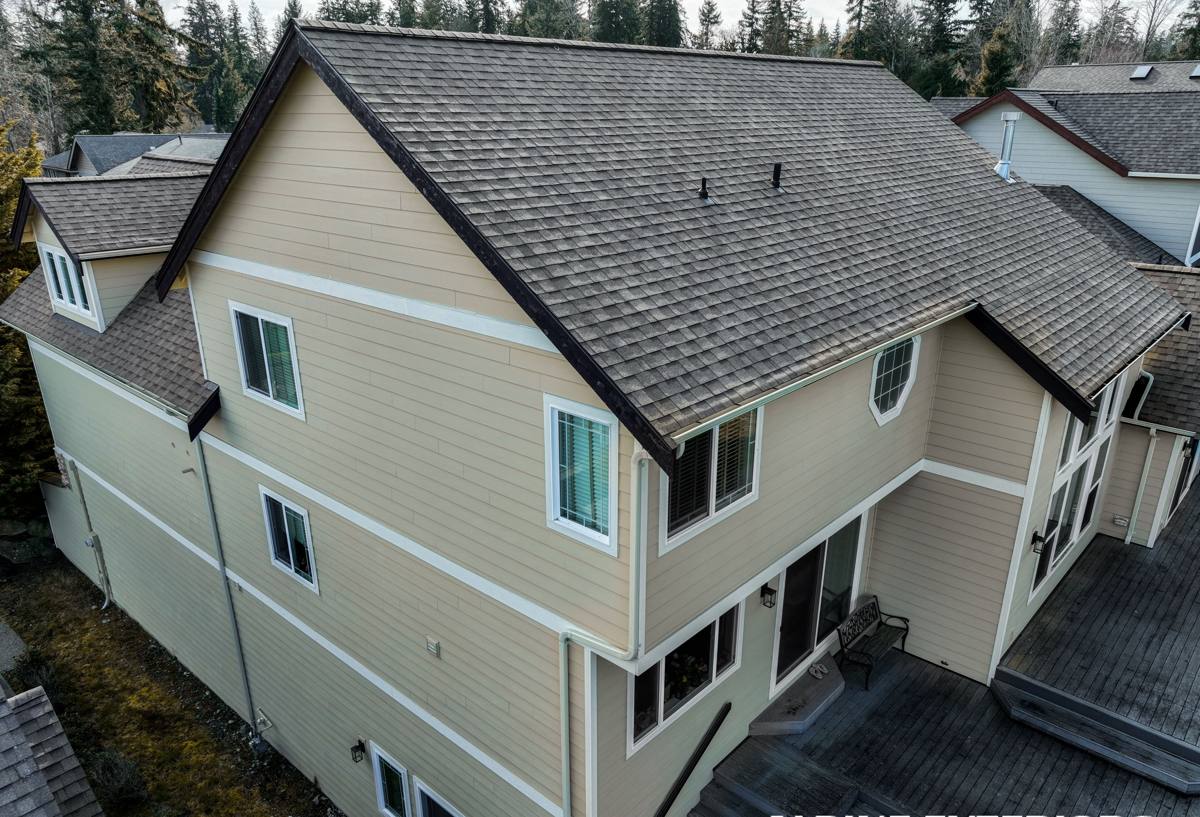
How to Tell You Need a Replacement, Not a Repair
A lot of Skycrest homeowners call us assuming a few loose boards or a wobbly rail can be patched. Sometimes that's true. But once a deck's problems reach the framing or the ledger board — where the deck attaches to the house — repair stops being the honest recommendation.
Signs pointing to full replacement
- Soft, spongy, or crumbling spots in the joists or ledger board, not just the surface decking
- Rust streaking or corrosion around structural fasteners and post bases
- Visible gaps or movement where the deck meets the house, especially after wind events
- Multiple boards cupping, splitting, or lifting nails across the deck rather than in one isolated area
- A structure that predates current code requirements for ledger attachment and guard/rail spacing
- Posts or footings that were never properly set below grade and have shifted over time
If the damage is limited to a handful of surface boards on an otherwise sound frame, we'll tell you that honestly and price a repair instead. We don't have any incentive to sell a full replacement when a repair will hold up — our reputation in this neighborhood depends on giving straight answers.
What a Correct Deck Replacement Actually Involves
It starts below the surface
The part of a deck that fails first in this climate is rarely the decking boards you can see — it's the framing, fasteners, and ledger connection underneath. A correct replacement means new or inspected footings, properly flashed ledger attachment to keep water from wicking into the house's rim joist, and joists spaced and sized to code for the decking material you choose.
Permitting and inspection
Deck replacement in Pinellas County generally requires a building permit and inspection, since it involves structural framing attached to your home. This isn't a box-checking exercise — it's what confirms the footings, ledger connection, and railing meet current wind and safety requirements. We handle the permitting process as part of the job, which also means the work is documented if it ever comes up during a home sale or insurance review.
Drainage and grading
Standing water at the base of posts and footings is one of the more overlooked causes of premature deck failure in Florida. Part of doing the job right is making sure water sheds away from the structure instead of pooling against it after Clearwater's heavier summer downpours.
Choosing the Right Decking Material for Skycrest's Climate
There's no single "best" decking material — there's a best fit for your budget, maintenance appetite, and how much sun and rain exposure your specific yard gets. Here's how the common options actually perform in this climate:
| Material | UV & Heat Behavior | Moisture & Salt Air | Maintenance |
|---|---|---|---|
| Pressure-treated pine | Fades and can check/splinter without regular sealing | Prone to warping and rot at fasteners if not sealed and maintained | Annual cleaning and re-sealing recommended |
| Composite decking | Stays cooler underfoot on lighter colors; resists fading better than untreated wood | Won't rot, but hardware and substructure still need corrosion-resistant fasteners | Occasional washing; no sealing or staining |
| Tropical hardwood | Naturally dense and UV-resistant, but can still gray without oiling | Very rot-resistant when properly installed | Periodic oiling to maintain color; higher material cost |
| PVC/capped polymer | Strong resistance to fading and heat-related warping | Fully moisture-resistant surface, doesn't absorb water | Lowest maintenance of the common options |
Whichever material you choose, the substructure underneath matters just as much as the surface — a premium composite deck built on undersized or poorly fastened framing will still fail early.
Our Deck Replacement Process
- On-site assessment — we inspect the existing deck's framing, ledger connection, footings, and hardware to confirm replacement is the right call and identify any hidden damage to the house structure it attaches to.
- Written estimate — a clear scope of work and price before anything is torn out, including material options at different price points.
- Permitting — we pull the required permit and schedule inspections through Pinellas County as part of the project.
- Demolition and disposal — the old deck is removed and hauled away, with attention to protecting landscaping and the home's exterior siding and foundation during removal.
- Framing and structural work — new or reinforced footings, joists, and a properly flashed ledger connection built to current code.
- Decking, rails, and stairs installed — using corrosion-resistant fasteners rated for coastal exposure.
- Final walkthrough and inspection — we review the finished deck with you and make sure it passes county inspection.
Built to Handle Pinellas County Wind and Salt Air
Fasteners and hardware
Standard zinc-coated screws and brackets corrode faster than most homeowners expect once salt air gets into the mix, even for homes not directly on the water. We use stainless steel or coated fasteners rated for coastal and treated-lumber exposure on structural connections, since a rusted-through bracket is exactly the kind of hidden failure that turns dangerous during a storm.
Wind resistance where it counts
Guard rails, stair stringers, and the ledger connection are the points that take the most load when hurricane-force gusts hit a deck. Proper post-to-footing connections and code-compliant fastening at these points are what keep a deck intact rather than becoming debris in a storm.
Sun and heat
Year-round Florida UV isn't just a fading issue — it accelerates the breakdown of sealants, drives moisture cycling in wood, and can make some plastics brittle over time. Material selection and finish matter more here than they do in milder climates.
Why Hiring a Crew That Already Works in Skycrest Matters
A deck replacement done by a crew unfamiliar with this area often misses details that only show up after a few Florida summers and one real storm season — undersized footings for sandy Pinellas County soil, fasteners that looked fine on install day but corrode within two years, or a permit process handled incorrectly and left unresolved. Working regularly in and around Clearwater neighborhoods like Skycrest means we already understand the local permitting process, common home ages and foundation types in the area, and what actually holds up here versus what looks good on day one and fails by year three.
It also means faster response for follow-up questions or warranty work — we're not driving in from across the county for a five-minute check.
What Deck Replacement Typically Costs — and What Moves the Number
Every deck is different, so we won't quote a number without seeing the site, but these are the main factors that move the price up or down:
| Cost Factor | Why It Matters |
|---|---|
| Deck size and shape | More square footage and complex angles mean more material and labor |
| Decking material chosen | Pressure-treated wood costs less upfront; composite and PVC cost more but need less upkeep |
| Height and stairs | Elevated decks and multi-step stairs require more structural framing and railing |
| Condition of existing footings | Reusable, code-compliant footings reduce cost; footings that need replacing add to it |
| Ledger and siding condition | Rot or damage found at the house connection point adds repair scope beyond the deck itself |
| Railing style | Basic wood rail is simpler and cheaper than metal cable or glass panel systems |
We provide a written, itemized estimate before any work begins so you know exactly what's driving the cost — no vague allowances or surprise change orders.
Keeping Your New Deck in Good Shape
Whatever material you choose, a little seasonal attention goes a long way in this climate:
- Sweep off leaves, pollen, and debris regularly so moisture doesn't sit trapped against the surface
- Rinse salt residue off the deck a few times a year, especially after windy stretches
- Check railing and stair connections for movement after major storms
- Re-seal or re-stain wood decking on the schedule recommended for the specific product used
- Keep gutters and downspouts near the deck clear so runoff doesn't pool at the footings
- Trim back vegetation that keeps the deck surface shaded and damp longer than it needs to be
If your deck in Skycrest is showing its age or didn't survive the last round of Florida weather in good shape, we're glad to take a look and give you a straight answer about repair versus replacement. Reach out for a free, no-pressure estimate using the form below.