 Clearwater Siding
 Safety Harbor's Climate Is Harder on Siding Than It Looks
Safety Harbor sits on the north shore of Old Tampa Bay in Pinellas County, and that waterfront setting is part of what makes the town appealing — and part of what wears down exterior siding faster than homeowners expect. The combination of near-constant humidity, intense UV exposure across most of the year, wind-driven rain during summer storms, and a steady trace of salt air off the bay puts a slow, cumulative strain on whatever material is covering the walls of a house. None of these factors alone is dramatic. Together, over ten or fifteen years, they're what turns a small cosmetic issue into a full siding replacement.
Hurricane-force wind events are the obvious threat, but they're not the main reason siding fails in this area. Most of the damage we see in Safety Harbor is the result of ordinary weather repeated for years — moisture finding its way behind panels, sun breaking down surface coatings, and fasteners loosening as materials expand and contract with heat and humidity swings.
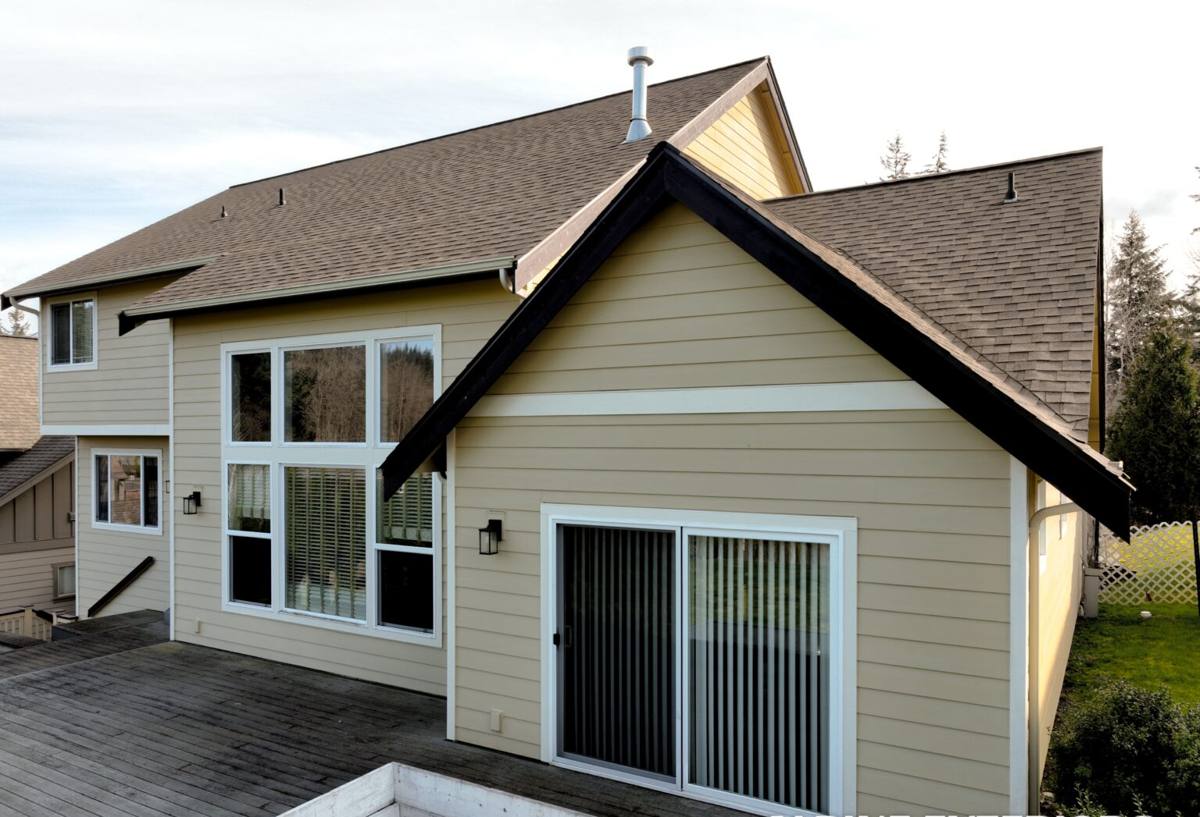
Safety Harbor's Housing Stock and What It Means for Replacement
Safety Harbor has a mix of older established homes and newer infill construction, and the siding on many of the older properties is reaching or has passed the point where repair no longer makes sense. Original wood siding, older vinyl, and in some cases early-generation fiber cement installed without today's moisture-management standards are all common on homes in this part of Pinellas County. When siding of that age starts failing, it's rarely an isolated problem — it's usually a sign that the material itself has run out of useful life, and that whatever is behind it (sheathing, house wrap, framing) needs to be checked before new siding goes up.
This is why a siding replacement quote for a Safety Harbor home should never be a simple per-square-foot number pulled from a phone call. It has to account for the age of the structure, what's likely happening underneath the current siding, and how much of the wall assembly needs attention beyond the visible surface.
Common Failure Patterns We See Locally
- Cupping, warping, or soft spots in older wood siding, especially on walls that get the most afternoon sun
- Cracked, faded, or brittle vinyl that has become stiff and prone to cracking in wind
- Rot at butt joints, corners, and around window and door trim where water has been sitting rather than draining
- Nail pops and loosening fasteners from repeated expansion and contraction cycles
- Chalky, faded paint film on painted siding that has gone years past its recoat window
How to Tell If You Need Replacement, Not Repair
Not every siding problem calls for a full tear-off. A handful of damaged boards, a small area of storm damage, or isolated caulking failure can often be repaired. Replacement becomes the right call when the damage is widespread, when the underlying moisture barrier has likely been compromised, or when the material itself is simply at the end of its service life. A few honest signs it's time to stop patching:
- Soft or spongy siding in multiple areas, not just one spot
- Visible rot, staining, or swelling at several seams or corners
- Siding that's original to a home built decades ago and has never been replaced
- Rising energy bills alongside visible gaps or warping, suggesting the wall assembly is no longer sealed properly
- Repeated repairs to the same areas year after year
What a Correct Siding Replacement Actually Involves
Replacing siding correctly is not just removing old panels and nailing up new ones. In a climate like Pinellas County's, the work that happens underneath the visible siding matters as much as the siding itself.
Full Tear-Off and Inspection
We remove the existing siding down to the sheathing so it can actually be inspected, not just covered over. Any rotted sheathing or framing gets addressed before anything new goes up. Installing new siding over hidden rot doesn't fix the problem — it hides it for a few more years and makes the eventual repair more expensive.
Moisture Barrier and Flashing
A correctly installed weather-resistant barrier, proper flashing at windows, doors, and roof-to-wall transitions, and correctly lapped and taped seams are what keep wind-driven rain from getting behind the siding in the first place. This detail work is where a lot of failed siding jobs actually go wrong — the siding itself may be fine, but water got behind it because flashing was skipped or done wrong.
Fastening and Installation to Manufacturer Spec
Fiber cement siding has specific fastening, clearance, and joint requirements that directly affect its warranty and its performance in wind and moisture. Nailing patterns, gaps at trim and butt joints, and ground clearance all matter — not as a formality, but because they're what determines whether the siding sheds water and holds up in a storm.
Why We Install Only James Hardie Fiber Cement
We do not install vinyl, LP SmartSide, Cemplank, Allura, or primed wood siding. That's a deliberate standard, not a lack of options.
Vinyl is affordable and low-maintenance in mild climates, but it softens and can warp under sustained heat, and it's a poor match for the wind speeds this region can see. LP SmartSide and similar engineered wood products perform reasonably well when installation and maintenance are perfect, but they're wood-based, and wood-based siding is inherently more vulnerable to the moisture and humidity levels Pinellas County sees year-round if a seam opens or paint film fails. Primed spruce and cedar require an ongoing maintenance commitment — repainting, caulking, and moisture monitoring — that most homeowners don't want to sign up for indefinitely. Other fiber cement brands, like Cemplank and Allura, make a chemically similar product to James Hardie's, but James Hardie backs its HardieZone system with region-specific engineering and a factory finish system with a stronger track record and a more straightforward transferable warranty.
James Hardie fiber cement is non-combustible, doesn't swell or rot from moisture the way wood-based products can, and its HZ5 product line is engineered specifically for the moisture and humidity conditions of the Southeast, which includes coastal Pinellas County. Its ColorPlus factory finish is baked on under controlled conditions rather than painted on-site, which gives it more consistent, longer-lasting color performance than field-applied paint on wood or engineered wood siding. That's the material we put on Safety Harbor homes, and it's the material we stand behind.
Comparing Siding Materials for a Safety Harbor Home
| Material | Moisture Behavior | Wind/UV Durability | Maintenance |
|---|---|---|---|
| Vinyl | Doesn't rot, but seams can let water in behind panels | Can warp in heat, crack or blow off in high wind | Low, but limited repair options once damaged |
| LP SmartSide / engineered wood | Vulnerable to swelling and rot if seams or paint film fail | Good when properly maintained; sensitive to installation quality | Ongoing paint and caulk maintenance |
| Primed wood/cedar | Most moisture-sensitive option; prone to rot in humid climates | Moderate; depends heavily on upkeep | High — regular repainting and sealing required |
| James Hardie fiber cement | Does not swell, rot, or absorb moisture like wood | Engineered HZ5 line built for Southeast wind/humidity; factory-baked finish resists UV fading | Low — periodic cleaning and caulk checks |
How Our Siding Replacement Process Works
We keep the process straightforward, in person, and specific to your home rather than a generic package.
1. On-Site Assessment
We walk the exterior, look at the current siding condition, check trim and flashing detail, and identify anything that suggests moisture or structural issues underneath.
2. Written Scope and Proposal
You get a clear, itemized plan covering tear-off, sheathing repair if needed, moisture barrier, James Hardie product and color selection, and installation detail — no vague allowances.
3. Prep and Tear-Off
Old siding comes off, the wall assembly gets inspected, and any rot or damage is repaired before new material goes up.
4. Installation to Spec
Moisture barrier, flashing, and James Hardie siding are installed following manufacturer fastening and clearance requirements, not shortcuts.
5. Final Walkthrough
We go over the finished work with you, check trim and caulk lines, and make sure everything meets the standard we'd want on our own home.
What Affects the Cost of a Siding Replacement
- Size and complexity of the home — number of stories, corners, gables, and trim detail
- Condition of the sheathing and framing once old siding is removed
- Amount of existing damage requiring repair before new siding goes on
- James Hardie product line and profile selected (lap siding, panel, shingle-style accents)
- Trim, soffit, and fascia work bundled into the same project
- Accessibility of the home for crew and material staging
We won't quote a firm number without seeing the home, because the condition underneath the existing siding — which you usually can't see from the street — has a real effect on scope and cost.
Why It Matters to Hire a Crew That Already Works in Safety Harbor
Siding installation isn't one-size-fits-all across Florida. A crew that regularly works Safety Harbor and the surrounding Pinellas County area already understands how the mix of bay-adjacent humidity, salt air, and storm exposure affects installation choices — flashing detail, fastener spacing, and moisture barrier practices that hold up here aren't necessarily the same as what's standard in a drier, inland climate. Local experience also means faster response for permitting familiarity with the jurisdictions covering Safety Harbor, and a crew that isn't learning the area's quirks on your project.
If your Safety Harbor home's siding is showing its age — warping, soft spots, fading, or repeated repairs that never quite hold — we're happy to take a look and give you a straightforward, no-pressure assessment of what it actually needs. Fill out the form below to request a free estimate.