 Clearwater Siding
 Siding Repair for Del Oro Homes
Homes in Del Oro sit inland from the Gulf but still take the full brunt of Pinellas County's climate: long stretches of intense UV, sudden wind-driven rain, the seasonal threat of hurricane-force gusts, and a steady dose of salt-laden air that drifts in off the coast even a few miles out. Siding here doesn't fail all at once. It fails in small, specific ways — a cracked panel here, a gap at a butt joint there, a soft spot near a downspout — and those small failures are exactly what a proper repair needs to catch before they become a bigger problem.
This page is about one job, done right, in one area: repairing siding on Del Oro homes. Not a sales pitch for a full re-side you don't need, and not a generic checklist that could apply to a house in Ohio. What follows is what we actually look for, what a correct repair involves, and why the crew doing that work should already know this neighborhood.
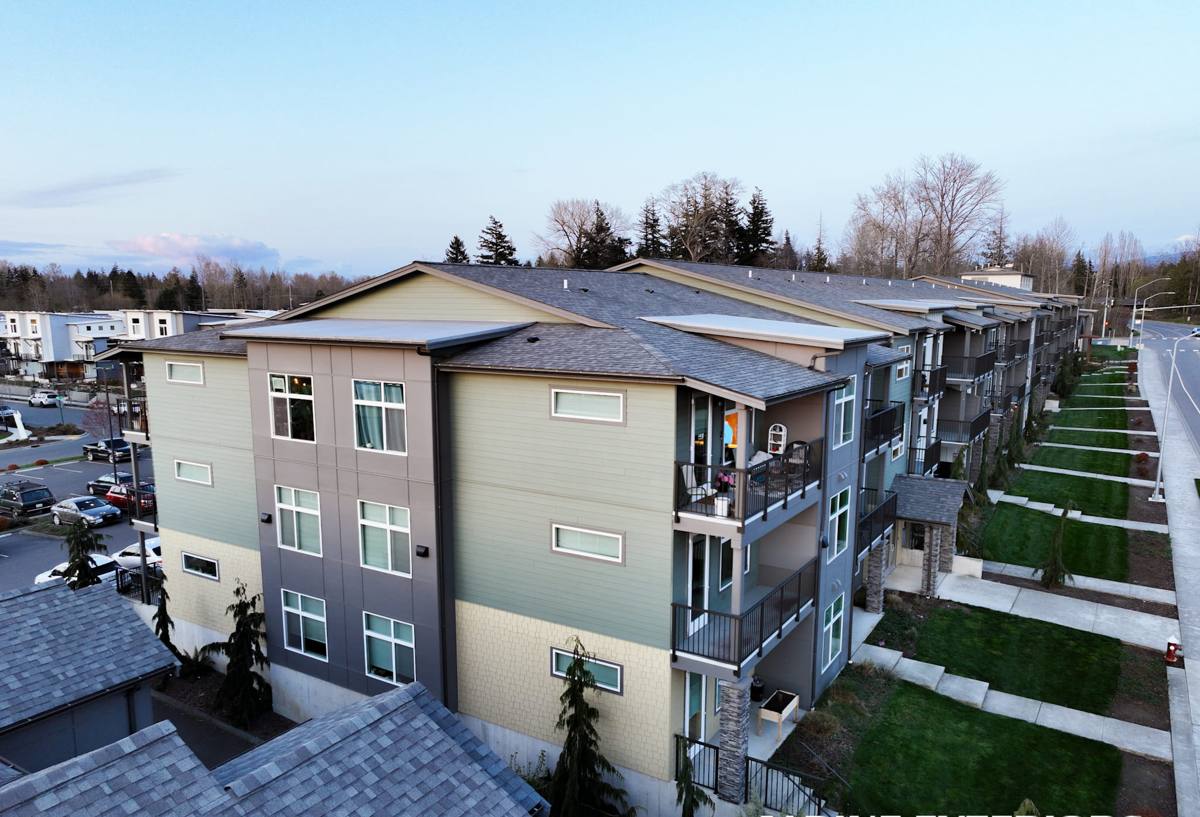
What Clearwater's Climate Does to Siding
Every siding material reacts differently to heat, moisture, and wind, but the mechanisms of damage in this part of Florida are consistent:
- UV exposure: Nearly year-round sun bakes siding on south- and west-facing walls, fading color and drying out caulk and sealants faster than in most of the country.
- Wind-driven rain: Storms here rarely fall straight down. Wind pushes water sideways, into seams, laps, and fastener holes that were never designed to handle water pressure from that angle.
- Hurricane and tropical-storm winds: Even a storm that doesn't make landfall directly can generate gusts strong enough to lift a poorly fastened panel, crack a brittle board, or peel back trim at a corner.
- Salt air: Airborne salt corrodes exposed fasteners and metal flashing over time, which is often the hidden cause of a "mystery" leak that seems to have no obvious source.
- Humidity and moisture cycling: Florida's humidity means siding rarely gets a chance to fully dry out between rain events, which matters a lot if water has already gotten behind it.
None of this means siding is destined to fail — it means siding needs to be installed and repaired with these specific stresses in mind, not treated the way it would be in a drier, calmer climate.
Signs Your Del Oro Home Needs a Siding Repair
Most siding repairs start small and get missed because they're easy to write off as cosmetic. A quick walk around the exterior twice a year — ideally before and after hurricane season — is the best habit a homeowner can build. Look for:
- Cracked, split, or visibly warped panels or boards
- Gaps opening up at corners, seams, or where siding meets trim
- Soft or spongy spots when pressed (a strong sign of moisture behind the surface)
- Paint or finish peeling in a way that looks different from normal fading
- Streaking or discoloration below seams, which can indicate water tracking through a joint
- Loose panels that move or rattle in wind
- Visible fastener corrosion or fasteners backing out of the surface
- Small pest or insect activity around damaged edges
Any one of these on its own might be minor. Several appearing together, or appearing in the same area repeatedly, usually means water has found a way behind the siding and the damage is more than skin deep.
Repair or Replace? How We Make That Call
Not every damaged section needs a full re-side, and not every repair is worth doing if the underlying material is failing everywhere. The honest answer depends on scope, cause, and material.
| Factor | Favors Repair | Favors Replacement |
|---|---|---|
| Extent of damage | Isolated to one wall or a few panels | Recurring across multiple elevations |
| Underlying cause | Impact damage, a single failed seal, storm debris | Systemic moisture intrusion or rot behind large sections |
| Age of existing siding | Siding is mid-life and otherwise sound | Siding is near or past its expected service life |
| Material condition | Surrounding panels are stable and intact | Surrounding panels are brittle, delaminating, or chalking heavily |
| Color/finish match | Close match available or repair is on a less visible elevation | Existing finish is too faded to match, making patches obvious |
We'll tell you plainly which side of that table your home falls on. If a repair is the right call, we do the repair. We don't upsell a full replacement to a homeowner who doesn't need one — but we also won't patch over a problem that's clearly going to come back in six months.
What a Correct Siding Repair Actually Involves
A repair that just covers the visible damage without addressing what caused it is a repair that fails again — often faster than the first time, because the underlying moisture problem has had more time to spread. Here's what we check on every repair call:
1. Diagnose Before Touching Anything
We start by figuring out why this section failed — impact, a failed seal, a flashing gap, or long-term moisture intrusion. Removing the damaged piece without understanding the cause means the replacement piece is exposed to the exact same failure.
2. Check What's Behind the Siding
Once a panel or board is off, we look at the water-resistive barrier, sheathing, and framing underneath. If there's rot or sustained moisture damage, that gets addressed before any new siding goes back on — patching over a wet wall cavity just hides the problem.
3. Correct Flashing and Sealant Detailing
A large share of the repairs we see trace back to flashing that was missing, undersized, or installed incorrectly around windows, doors, and penetrations — not a failure of the siding material itself. Wind-driven rain finds these gaps. We rebuild the flashing detail correctly, not just re-caulk over it.
4. Match Material and Fastening
New material needs to match the existing profile, exposure, and fastening pattern — and fasteners need to be corrosion-resistant given the salt air here. Mismatched fastening is one of the most common reasons a repair looks fine for a year and then works loose.
5. Reseal and Finish Properly
Sealants and touch-up finish need to be rated for continuous UV and moisture exposure, applied at the right joints — not everywhere, since over-sealing siding can trap moisture just as badly as under-sealing it.
Our Repair Process, Start to Finish
- On-site inspection: We walk the exterior with you, identify every affected area, and explain what we find in plain terms.
- Written scope and estimate: You get a clear description of what needs repair, why, and what it will cost — no surprise add-ons once we open a wall.
- Material sourcing and matching: We source matching material and confirm color/finish before work begins.
- Removal and inspection behind the siding: Damaged sections come off carefully, and we assess the sheathing and barrier underneath.
- Structural and moisture correction: Any rot, soft sheathing, or moisture issue gets addressed before new material goes on.
- Reinstallation to spec: New material, flashing, and fasteners go in following manufacturer installation requirements, not shortcuts.
- Final walkthrough: We review the completed work with you on-site before calling the job done.
Why It Matters That We Already Work in Del Oro
A siding repair crew that regularly works this part of Clearwater already knows what tends to fail here and why — which walls take the worst wind-driven rain, how salt air accelerates fastener corrosion, and which older installations in the area are prone to the same handful of flashing mistakes. That local pattern recognition shortens the diagnosis and reduces the chance of missing a related problem nearby. It also means we're a known, reachable local contractor if a question comes up after the work is done — not a crew that drove in from out of the area for one job.
What We Repair Siding With — and What We Don't Install
We install James Hardie fiber cement siding exclusively when a section needs full replacement rather than a repair, and it's worth being direct about why. We don't install vinyl, LP SmartSide, Cemplank, Allura, or wood siding like primed spruce or cedar as a company standard — not because those products have no merit, but because we've made a deliberate choice about what we stand behind in this climate.
James Hardie's HZ5 product line is engineered specifically for high-humidity, high-moisture climates like Florida's Gulf Coast. It's non-combustible, holds a factory-applied ColorPlus finish that resists the UV fading that's a real problem here, and carries a strong transferable warranty backed by a manufacturer with decades of track record in coastal climates. When a repair does require replacing a larger section, or when a homeowner decides the smarter long-term move is a full re-side, Hardie is what we recommend and what we install — because it's what holds up to Clearwater's combination of sun, salt, and storms when installed to spec.
If your existing siding is a different material, we'll still repair it correctly and honestly with matching material where that's the right call for a small, isolated fix. We're not going to talk you into ripping out sound siding. But if the conversation turns to full replacement, our recommendation doesn't change.
Keeping Repaired Siding Sound Afterward
A good repair should hold — but a little seasonal attention keeps it that way in this climate:
- Walk the exterior before and after hurricane season, checking repaired areas first
- Rinse off salt residue and grime periodically, especially after storms
- Keep gutters clear so water doesn't pool or run down siding faces
- Trim vegetation back from siding to reduce trapped moisture and impact risk
- Address new cracks or gaps quickly rather than waiting for the next inspection cycle
If you're seeing damage on your Del Oro home and want a straight answer on whether it's a repair or something bigger, we're happy to take a look. Request a free, no-pressure estimate below and we'll walk the exterior with you and tell you exactly what we find.