 Clearwater Siding
 Windows That Actually Hold Up in Seminole
Seminole sits close enough to the Gulf and Boca Ciega Bay that every window on a house is doing more work than the same window would do twenty miles inland. Salt-laden air corrodes hardware and frame fasteners faster than most homeowners expect. Summer sun bakes vinyl and rubber seals for months at a time. And when a tropical system or a fast-moving thunderstorm line rolls through, wind-driven rain finds every weak seam in a window that wasn't installed correctly the first time. None of that means windows in this part of Pinellas County are doomed to fail early — it means the installation has to be right, not just the product.
We install windows in Seminole and the surrounding Clearwater area regularly, so this page focuses on what that actually involves: the code requirements specific to this wind zone, the failure points we see most often on older homes, and what a correct installation looks like from tear-out to final caulk line.
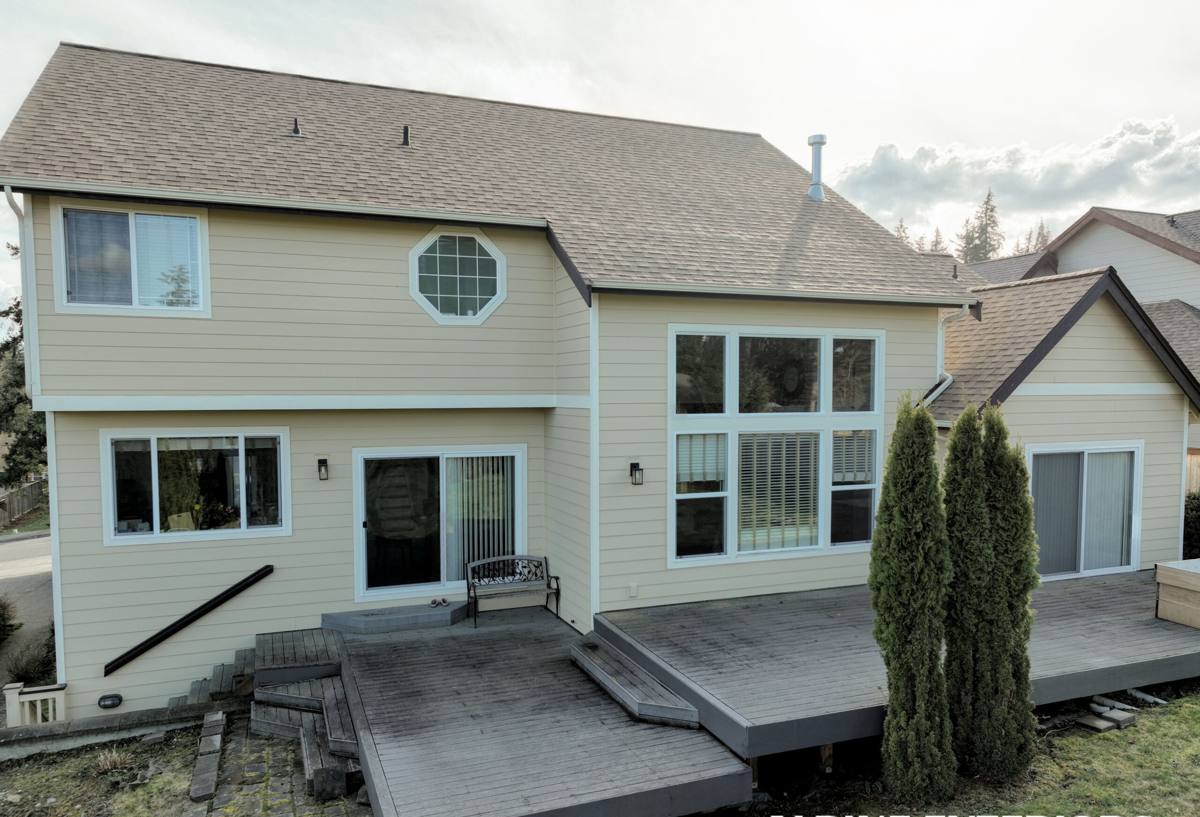
What Pinellas County Wind Requirements Mean for Your Windows
Seminole falls under Florida's wind-borne debris region rules as part of Pinellas County, which is governed by the Florida Building Code's high-velocity provisions for coastal exposure. In practice, that means replacement windows here need a valid Notice of Acceptance (NOA) or Florida Product Approval number matching the wind pressure and impact requirements for this address — not just a window that "meets code" somewhere else in the state. A permit-issuing office will check that number against the specific product installed, not just the brand name on the box.
This matters because a window that's correctly rated for a lower wind zone can look identical to one rated for coastal Pinellas County, down to the frame color and grid pattern. The difference is in the glass makeup, the anchoring hardware, and the tested assembly — none of which is visible after installation. A contractor who pulls the right permit and installs to the approved specification is the only real protection here.
What This Means for Your Project
- A permit is required for window replacement in almost all cases — this isn't optional paperwork, it's what proves the installation was inspected
- The window's NOA number has to match what's on the permit application, not just be "similar"
- Anchoring method and fastener spacing are specified by the product approval, not left to installer preference
- A final inspection confirms the installed product matches what was permitted
Signs Your Current Windows Are Losing the Fight
Most window failure around here doesn't happen all at once during a storm — it builds for years first. Knowing what to look for helps you decide whether you're looking at a repair or a replacement.
- Fogging or a milky haze between panes of double-pane glass — the seal has failed and the insulating gas is gone
- Chalky, pitted, or discolored aluminum frames, especially on windows facing west or south
- Soft or discolored drywall, or a musty smell, near a window frame after heavy rain
- Windows that are noticeably harder to open, close, or lock than they used to be
- Visible daylight or a draft around the frame when the window is shut
- Old, unrated aluminum single-pane windows with no visible NOA sticker or permit history
- Wood or vinyl frames with cracking, warping, or soft spots you can press a fingernail into
Any one of these on its own might be a minor fix. Several of them together, especially on a home with its original windows, usually means the whole opening — frame, flashing, and sealant — needs to be redone rather than patched.
Choosing the Right Window for a Seminole Home
There's no single "best" window for every house — the right choice depends on the home's construction, its exposure to sun and salt air, and your budget. Here's how the common options actually compare for this area.
| Frame Material | How It Holds Up Locally | Maintenance |
|---|---|---|
| Vinyl | Good salt-air resistance, no corrosion; can soften or discolor under long-term intense UV if lower-grade | Low — occasional cleaning |
| Aluminum | Strong and slim sightlines, but prone to pitting and corrosion near the coast unless properly coated | Moderate — watch for corrosion at hardware points |
| Fiberglass | Excellent stability in heat and humidity, resists corrosion, holds paint well | Low |
| Wood/Wood-clad | Best appearance for historic or high-end homes, but vulnerable to humidity and wind-driven rain without diligent upkeep | High — regular sealing/painting |
For most homes in Seminole, we steer people toward vinyl or fiberglass for the balance of cost, corrosion resistance, and low upkeep. Aluminum still has a place, particularly for larger openings where slim frames matter, but it needs a quality finish to avoid the pitting we see on older, unprotected aluminum frames in this area. We're happy to walk through the actual trade-offs for your specific house rather than push one material across the board.
Impact-Rated vs. Non-Impact Windows: The Real Difference
"Impact windows" and "hurricane windows" get used loosely, so it's worth being specific. An impact-rated window uses laminated glass — two panes bonded around an interlayer — engineered to stay intact in its frame when struck by wind-borne debris, tested to the wind pressure and large-missile impact standards that apply to this wind zone. A non-impact window that meets code here instead relies on separate storm protection, like shutters or panels, to provide that debris protection.
Both approaches can be code-compliant. The trade-offs are practical:
- Impact windows protect the opening at all times, add a meaningful buffer against outside noise, and mean nothing to deploy before a storm — but cost more upfront
- Non-impact windows with separate shutters or panels cost less at installation, but only protect the home when the covering is actually put up, which means someone has to do that before every storm
We'll give you honest pricing on both paths and let you weigh the upfront cost against the ongoing effort of storm prep — it's a real decision, not a sales pitch.
How Frame Construction Changes the Installation
A large share of homes in and around Seminole are built on concrete block with stucco exteriors, though wood-frame construction shows up too, especially in older sections. The installation approach differs meaningfully between the two:
Block/Stucco Construction
Windows are typically anchored directly into the concrete block or a poured buck, through the frame or a flange, with fasteners rated for the substrate. Stucco has to be cut back cleanly around the opening, and the transition between stucco and window frame is one of the most common places we find old sealant failure and hidden water intrusion during tear-out.
Wood-Frame Construction
Windows anchor into the framed rough opening, with a nailing flange or frame fasteners into solid wood. Here, the flashing sequence — how house wrap, flashing tape, and the window's own drainage path integrate — matters as much as the window itself for keeping wind-driven rain out.
In both cases, the anchoring and flashing details are exactly what a Pinellas County wind zone permit and inspection are checking. Getting the window itself right and getting the opening around it right are two separate jobs, and both have to be done correctly.
Our Installation Process
- On-site assessment — we look at each opening, note frame type, condition, and any existing water damage before quoting anything
- Product selection — we go over frame material, glass package, and impact vs. non-impact options based on your home and budget
- Permitting — we pull the required Pinellas County permit and confirm the product's NOA matches what's specified
- Careful removal — old windows come out without damaging the surrounding stucco, block, or framing more than necessary
- Opening inspection and prep — we check the rough opening for hidden rot, corrosion, or moisture damage before anything new goes in, and address it if found
- Flashing and sealing — proper flashing integration and sealant application, not just caulk around the trim
- Anchoring to spec — fastener type and spacing per the product approval, not guesswork
- Final inspection — we coordinate the county inspection and walk you through the finished work
Permits, Warranty, and Why the Paperwork Matters
An unpermitted window replacement can come back to bite you at resale, since buyers and their agents increasingly ask for permit history on major exterior work, and insurers may ask for proof of code-compliant windows to apply wind mitigation credits. We handle the permit process as a standard part of every job, not an upsell, and we keep documentation you can hand to an insurance agent or a future buyer.
Manufacturer warranties on glass and hardware are only as good as the installation underneath them — most window warranties explicitly exclude water intrusion caused by improper installation. That's another reason the installation crew matters as much as the window brand.
Why Hiring a Crew That Already Works Seminole Matters
A contractor who works this part of Pinellas County regularly already knows which product approvals apply here, has a working relationship with the local permitting office, and has seen firsthand how block construction, older stucco, and coastal humidity interact with a window installation over time. That's the kind of judgment that catches a rotted buck or a corroded old anchor before it becomes a bigger problem mid-installation, instead of after the drywall is patched back up.
It also means realistic answers about timeline, permitting steps, and what your home actually needs — not a generic pitch copied from a national playbook. We'd rather tell you a repair will hold for now than sell you a full replacement you don't need yet, and we'd rather flag a real problem early than let it surface as a leak two years down the road.
If your windows in Seminole are showing their age, feel free to reach out for a free, no-pressure estimate. We'll take a look, tell you honestly what we see, and give you straight numbers — use the form below to get started.