 Clearwater Siding
 Asphalt Shingle Roofing in Seminole, Florida
Seminole sits close enough to the Gulf that homes here take a different kind of beating than roofs a few miles inland. Salt-laden air, long stretches of intense UV, sudden downpours, and the real possibility of hurricane-force wind gusts all show up in how a roof ages. An asphalt shingle roof installed the right way — with the right materials, the right fastening, and the right attention to ventilation — can handle all of that for two decades or more. One installed with shortcuts will show its age in a fraction of that time, usually starting with curling shingles, granule loss, and soft spots around penetrations.
This page is specifically about asphalt shingle roofing for homes in and around Seminole. It's not a general overview of shingles — it's what actually matters for this part of Pinellas County, where the roof is doing double duty as a barrier against sun and against storms, often in the same week.
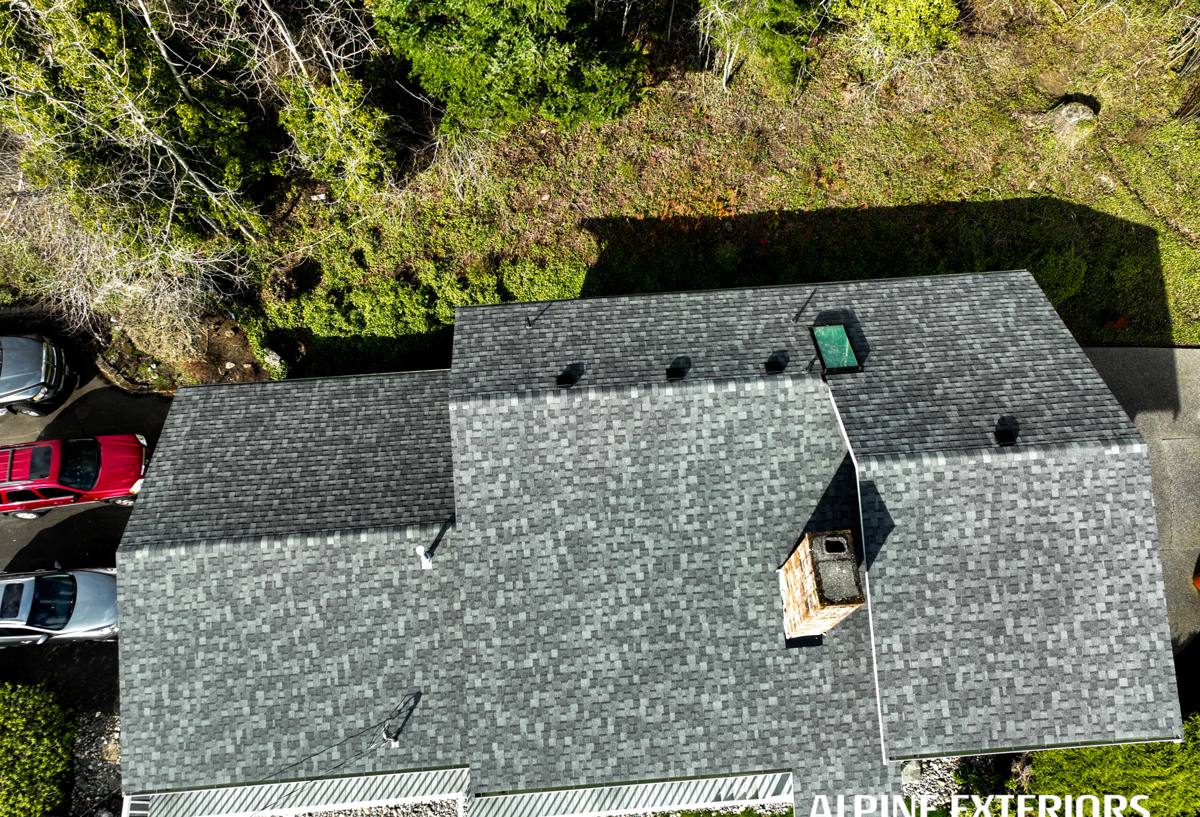
What Seminole's Climate Actually Does to a Shingle Roof
Wind
Pinellas County sits in a wind zone where roofs need to hold up to tropical storm and hurricane conditions on a regular basis, not as a rare event. Wind doesn't just push down on a roof — it creates uplift at edges, ridges, and corners, which is exactly where poorly fastened shingles fail first. A shingle roof built for Seminole needs a wind rating and installation method matched to that reality, not the minimum a supplier happens to stock.
UV and Heat
Florida sun is relentless almost year-round. UV breaks down the asphalt binders in shingles over time, and that process runs faster on a roof in full sun with poor attic ventilation trapping heat underneath. The result is brittle, cracking shingles well before their rated lifespan if the roof wasn't designed to shed heat properly.
Wind-Driven Rain and Humidity
It's rarely just rain here — it's rain pushed sideways under wind pressure, which finds any gap in flashing, underlayment, or shingle overlap. Combine that with Florida's humidity and you get a roof deck that's unforgiving of moisture mistakes; trapped water doesn't just leak, it feeds rot and mold in the decking below.
Salt Air
Homes closer to the coastline deal with salt air that accelerates corrosion on exposed metal — nails, flashing, drip edge, and vent stacks. Fasteners and flashing that aren't rated for coastal exposure corrode faster, and a corroded nail loses its grip on the shingle exactly when wind uplift is testing it hardest.
What a Correct Asphalt Shingle Installation Involves
A shingle roof is a system, not just a layer of shingles. Skipping or rushing any one part of that system is where most premature failures start.
Deck Inspection and Repair
Before anything goes down, the roof deck itself needs to be sound — no soft, delaminated, or water-damaged sheathing. Installing new shingles over a compromised deck just hides a problem that will resurface as a leak or a soft spot underfoot.
Underlayment
A synthetic or self-adhering underlayment acts as the roof's backup water barrier. In a climate with regular wind-driven rain, this layer matters more than in drier regions — it's what keeps a home dry if wind ever lifts or damages a shingle before repairs happen.
Flashing at Every Penetration
Valleys, chimneys, vent stacks, and roof-to-wall transitions are where leaks actually start on most roofs. Properly formed and sealed flashing at each of these points is non-negotiable, especially where wind-driven rain is a regular occurrence rather than an exception.
Fastening Pattern
Shingles rated for high wind still need to be nailed correctly — the right number of fasteners, in the right position, driven flush and not overdriven, to actually achieve their rated wind resistance. This is one of the most common places a rushed crew cuts corners, because it's invisible once the roof is finished.
Attic Ventilation
Balanced intake and exhaust ventilation keeps attic temperatures and moisture levels in check. Without it, heat builds up under the shingles from below, accelerating the same UV breakdown the sun is causing from above — and trapped moisture from humid Florida air condenses where it can rot decking and framing.
Shingle Options for a Coastal Pinellas County Home
Not every shingle product is a good fit for a home exposed to salt air and regular high wind. Here's how the common options generally compare for this environment.
| Shingle Type | Typical Wind Rating | Best Fit For | Trade-Offs |
|---|---|---|---|
| 3-Tab Shingles | Lower end of the range | Budget-focused projects, secondary structures | Lower cost, but less wind and impact resistance; shorter realistic lifespan in this climate |
| Architectural (Laminate) Shingles | Mid to high range | Most primary homes in the area | Better wind performance and appearance; the most common choice for Seminole homes |
| Impact-Rated Shingles | Higher range, plus impact resistance rating | Homes wanting extra hail/debris protection | Higher upfront cost; may qualify for insurance premium credits |
For most Seminole homeowners, a quality architectural shingle rated for high wind is the practical middle ground — meaningfully more durable than 3-tab without the premium of an impact-rated product. We'll walk through what makes sense for your specific roof, budget, and insurance situation rather than defaulting to one answer.
What Drives the Cost of a Shingle Roof in This Area
| Factor | Why It Matters Here |
|---|---|
| Roof size and complexity | More valleys, hips, and penetrations mean more flashing work and labor time |
| Deck condition | Rotted or delaminated sheathing found during tear-off requires repair before shingles go on |
| Shingle tier chosen | 3-tab, architectural, and impact-rated products carry different material costs |
| Wind rating requirements | Higher-rated systems and fastening schedules add labor and material cost but reduce storm risk |
| Ventilation upgrades | Adding or correcting intake/exhaust venting protects the new roof's lifespan |
| Layers of existing shingles | Full tear-off costs more than an overlay but is almost always the better long-term choice |
We give honest, itemized estimates rather than a single vague number — you should know what you're paying for and why.
Our Process for Seminole Roofing Projects
- Inspection: We walk the roof and attic, checking deck condition, existing ventilation, flashing points, and any storm damage.
- Written estimate: A clear breakdown of materials, labor, and any deck repairs needed — no surprise add-ons mid-project.
- Material selection: We help you weigh shingle tier, wind rating, and color against your budget and how long you plan to stay in the home.
- Tear-off and deck prep: Old roofing removed, deck inspected board by board, and any damaged sheathing replaced.
- Underlayment and flashing: Installed before a single shingle goes down, at every valley, penetration, and edge.
- Shingle installation: Fastened to the pattern required for the shingle's rated wind resistance, not a shortcut version of it.
- Ventilation check: Confirming intake and exhaust venting is balanced for the attic size and roof design.
- Final walkthrough: We review the finished roof with you before considering the job done.
Maintenance That Actually Extends Roof Life Here
- Have the roof inspected after any major storm, even if no leak is visible yet
- Keep gutters and valleys clear so water isn't pooling against shingle edges
- Trim back overhanging branches that drop debris or hold moisture against the roof
- Check attic ventilation isn't blocked by insulation or storage
- Address a missing or lifted shingle quickly — it's a small repair now, a deck repair later
- Have flashing around vents and chimneys checked every few years for corrosion or sealant failure
Signs You Need Repair vs. Full Replacement
Not every roof issue means starting over. Common signs it's time to call include granules collecting in gutters, shingles curling or cupping, visible daylight through the attic roof boards, soft spots when walking the roof, or recurring leaks in the same spot after previous repairs. A localized issue — a damaged section after a storm, a failed flashing point — is often a repair. Widespread granule loss, brittle shingles across the whole roof, or a roof already past its expected lifespan usually points to replacement being the more cost-effective path. We'll always tell you honestly which category your roof falls into rather than upselling a replacement you don't need.
Why Local Experience with Seminole Homes Matters
A crew that regularly works in Seminole and the surrounding Clearwater area already knows the wind exposure levels typical to this part of Pinellas County, the way salt air affects fasteners and flashing over time, and how local humidity plays into ventilation decisions. That's different from a crew applying a generic installation approach built for a drier, calmer climate. It shows up in the details — the underlayment chosen, the flashing details at valleys, the fastening pattern used — the parts of a roof you don't see once it's finished but that determine whether it holds up through the next storm season.
We also understand the local permitting and inspection process, so your project moves forward without avoidable delays.
Get a Straightforward Estimate
If your Seminole home needs a new asphalt shingle roof, or you're not sure whether what you're seeing is a repair or a replacement, we're happy to take a look. Fill out the form below for a free, no-pressure estimate — we'll give you a clear, honest assessment of what your roof actually needs.