 Clearwater Siding
 Windows Built for Where You Actually Live
Safety Harbor sits in the Tampa Bay area of Pinellas County, right alongside Clearwater, which means the windows on your home take a different kind of beating than windows in most of the country. It's not one problem — it's four working on the house at once: tropical storm and hurricane-force wind loads, intense year-round UV exposure, wind-driven rain that gets pushed sideways into wall assemblies, and salt-laden air off the water that accelerates corrosion on hardware and fasteners. A window that's a good fit for a drier, calmer climate can start failing here years ahead of schedule.
That's the case for treating window replacement as a local specialty rather than a generic remodeling task. The right product, sized and rated correctly, installed with the right flashing and sealant details, is what actually holds up. Get any one of those wrong and you end up with a window that looks fine for a season or two and then starts leaking, fogging, or failing to open.
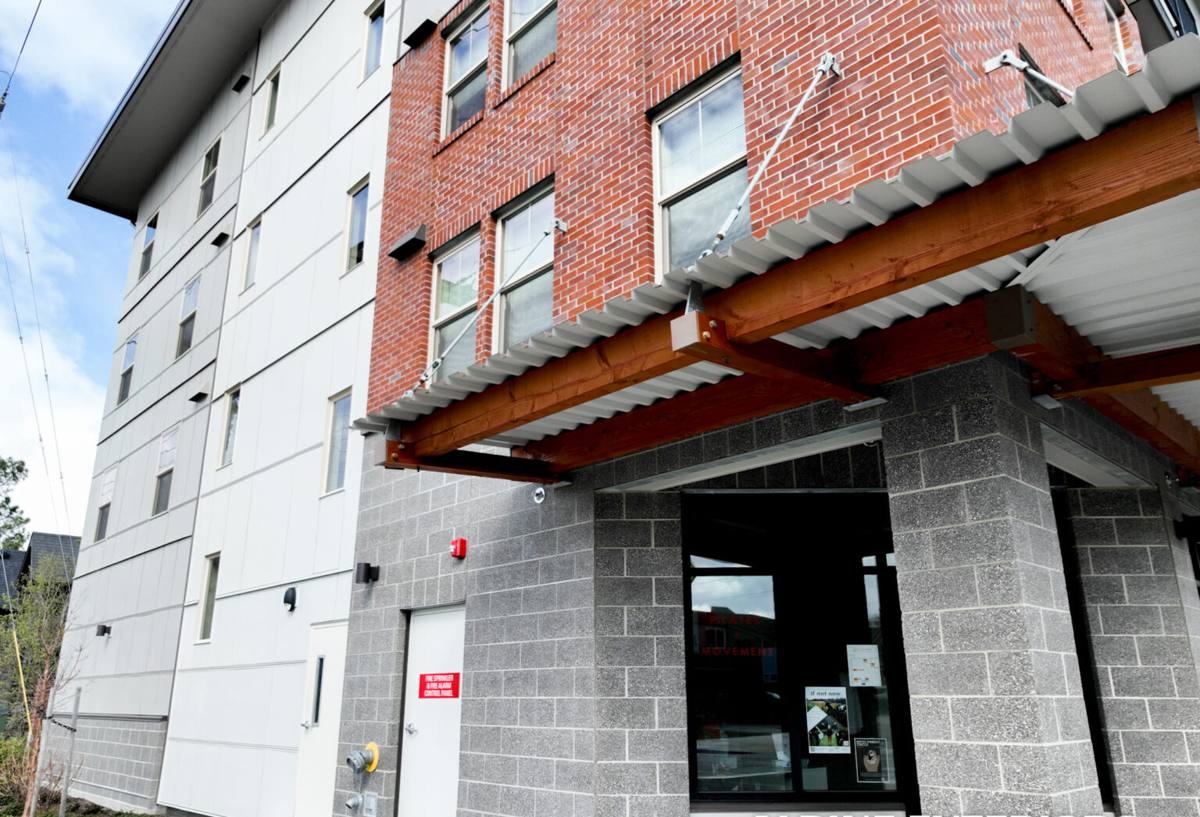
What "Correct" Window Replacement Actually Involves
Window replacement is really two jobs stacked together: picking the right product for the opening, and installing it in a way that keeps water and air out for the long haul. Homeowners tend to focus on the first and skip past the second, but in a coastal, storm-exposed area, installation quality is often the bigger factor in how long a window actually lasts.
The Glass and Frame Rating
Pinellas County sits in a high-wind zone, and window products used here need a pressure rating (design pressure, or DP) that matches the exposure and height of the wall they're going into. Impact-rated glass — laminated glass that stays intact even when the outer pane cracks — is common in this region because it protects the opening during storms without requiring separate shutters, though shutters remain a valid option too.
Flashing and Water Management
Every window opening needs a water-management plan built around it: a sill pan to catch anything that gets past the window, flashing tape integrated with the house wrap or building paper, and a sealant joint sized and installed correctly at the exterior. Wind-driven rain doesn't just hit a window head-on — it gets pushed up and sideways under normal wind pressure, so the flashing detail at the sill and jambs matters as much as the caulk bead most people notice.
Fastening and Anchoring
The window has to be anchored into structural framing with fasteners rated for the wind load the product is designed for, following the manufacturer's tested installation instructions. Skipping shims, under-fastening, or anchoring into trim instead of framing are common shortcuts that don't show up as a problem until the next major wind event.
Choosing the Right Window for a Safety Harbor Home
There's no single "best" window — the right choice depends on the home's exposure, budget, and how the openings are framed. Frame material is usually the first decision point.
| Frame Material | Strengths | Trade-offs in This Climate |
|---|---|---|
| Vinyl | Lower cost, no painting, good insulation, resists corrosion | Can expand/contract with heat; quality varies widely by manufacturer |
| Aluminum | Strong, slim sightlines, good for large impact-rated units | Conducts heat; needs a quality finish to resist salt-air corrosion |
| Fiberglass | Very stable in heat and humidity, long service life, paintable | Higher upfront cost than vinyl |
| Wood / Wood-clad | Traditional appearance, good insulation | Highest maintenance burden in humid, salt-air conditions |
Glass Packages Worth Understanding
Low-E (low-emissivity) coatings reduce how much heat and UV pass through the glass, which matters a great deal given how much direct sun this area gets year-round — it's a major factor in comfort and cooling costs, not just a checkbox spec. Laminated impact glass adds a plastic interlayer between two panes of glass, which is what lets it resist wind-borne debris impact; it also happens to block a large share of UV and cuts outside noise, which is a nice side benefit for anyone near busier roads.
Why We're Selective About What We Install
We don't install every window product on the market. Our standard is based on how a product performs specifically in coastal, high-UV, high-wind conditions over time — corrosion resistance on hardware, how well a frame holds its seal as it expands and contracts, and whether the manufacturer's warranty structure actually supports a homeowner if a seal fails years down the line. We'll walk you through the trade-offs of whatever we're recommending rather than just pushing one line because it's what we happen to stock.
Signs Your Current Windows Are Past Their Service Life
Not every window problem means a full replacement, but these are the signs worth taking seriously in a home near Clearwater:
- Fogging or a visible haze between panes — the seal on the insulated glass unit has failed
- Windows that are difficult to open, close, or lock, especially after painting or years of use
- Visible gaps, soft or discolored wood, or bubbling paint/drywall around the frame
- Noticeable draft or temperature difference near the window when the AC is running
- Chalky, pitted, or corroded hardware and frame finish from years of sun and salt air
- Rattling or whistling during windy conditions
- Single-pane or non-impact glass in a home that's never been fitted for storm protection
Our Replacement Process
1. On-Site Assessment and Measurement
We look at each opening individually — framing condition, current flashing, sun exposure, and how exposed the wall is to wind and rain. Measurements are taken for an exact fit rather than a generic size, since a window that's slightly too small or large forces compromises in the flashing detail.
2. Removal and Opening Prep
Old windows come out carefully to avoid damaging the surrounding structure or siding. Any rot, moisture damage, or compromised framing found underneath gets addressed before a new window goes in — installing a new window over a damaged opening just hides the problem for a while.
3. Installation and Sealing
This is where the sill pan, flashing tape, shimming, fastening, and exterior sealant all come together according to the product's tested installation method. It's the step that determines whether the window performs the way it's rated to.
4. Final Check and Cleanup
Every installed window gets operated, checked for square and level, and inspected for a clean, consistent seal inside and out before we consider the job finished. Job site debris and packaging are cleared out as part of the work, not an afterthought.
Cost Factors Worth Understanding
Every home is different, so we won't quote a number without seeing the openings, but these are the variables that actually move the price:
| Factor | Why It Affects Cost |
|---|---|
| Frame material | Vinyl, aluminum, fiberglass, and wood-clad options span a wide price range |
| Impact rating | Impact-rated laminated glass costs more than standard glass but reduces or removes the need for separate storm protection |
| Opening condition | Rot or framing damage found during removal adds repair work before the new window can go in |
| Window size and configuration | Larger openings, custom shapes, or operable styles (casement, sliders, picture windows) vary in labor and material cost |
| Number of openings | Whole-house replacement typically has a lower cost per window than replacing one or two at a time |
Permits and Wind Codes in This Area
Window replacement in Pinellas County generally requires a permit, and the replacement product has to meet the wind-load and impact requirements that apply to the home's location and wall exposure. This isn't paperwork for its own sake — it's what confirms the product installed is actually rated for the conditions the home will see. We handle the permitting and inspection process as part of the job rather than leaving it for the homeowner to sort out.
Why a Crew That Already Works in Safety Harbor Matters
A contractor who works this area regularly already understands the wind exposure, humidity, and salt-air conditions homes here deal with, and has been through the local permitting process enough times that it doesn't slow the job down. That familiarity shows up in practical ways — knowing which details on a flashing job matter most for wind-driven rain, recognizing what typical framing and construction in older versus newer homes in this part of Clearwater tends to need, and being available for a follow-up if a question comes up after the work is done. It's a difference you notice more in how smoothly the job goes than in anything you'd see on a brochure.
If you're weighing whether it's time to replace windows on a Safety Harbor home, we're happy to take a look and walk you through what we're seeing — no pressure, no obligation. Use the form below to request a free estimate.