 Clearwater Siding
 Roof Replacement for Skycrest Homes
Skycrest is one of Clearwater's older established neighborhoods, and a lot of the roofs we get called out to see there are original to the home or have already had one replacement decades ago. That means we're often working on roofs that have been through more hurricane seasons, more summers of Florida sun, and more salt-laden storms than almost anything else on the house. A roof replacement in Skycrest isn't just about swapping old shingles for new ones — it's about matching the roof system to what this specific part of Pinellas County throws at it year after year.
This page covers what actually goes into a correct roof replacement for a Skycrest home, what the climate here does to roofing materials over time, and what to look for when you're choosing a crew to do the work.
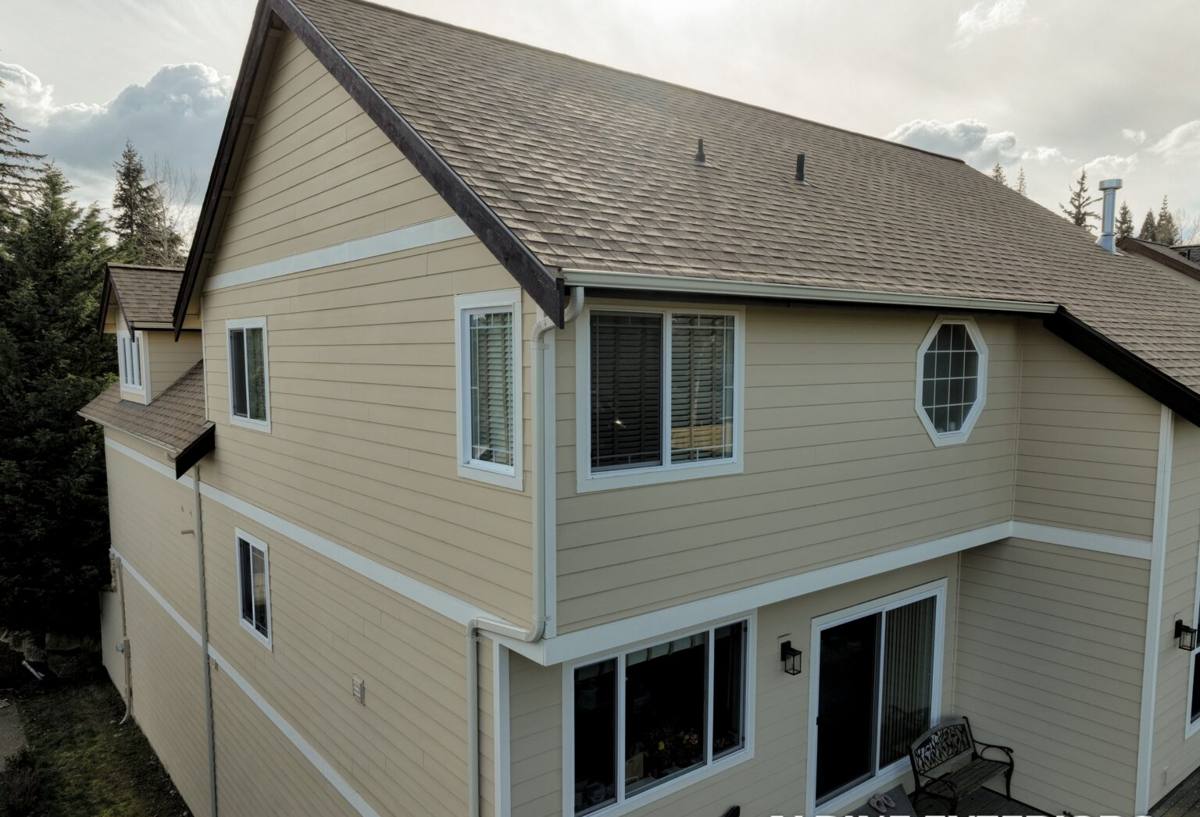
What Clearwater's Climate Does to a Skycrest Roof
Being close to the Gulf means Skycrest homes deal with a combination of stresses that inland roofs simply don't see as intensely.
Salt Air and Corrosion
Salt-laden air travels well inland from the coast, and over years it accelerates corrosion on exposed metal — nail heads, flashing, drip edge, vent stacks, and any exposed fasteners. A roof that looks fine from the ground can have flashing that's rusted through at the edges, which is usually where leaks start.
UV Exposure
Central Florida gets intense, near-constant sun. Asphalt shingles lose oils and granules faster here than in milder climates, which shows up as brittleness, curling edges, and bald spots years before the shingle's rated lifespan would suggest.
Wind-Driven Rain
It's rarely straight-down rain here. Wind pushes water sideways and upward under shingle edges, ridge caps, and flashing laps. A roof can shed a heavy vertical downpour fine and still leak badly in a sideways summer storm if the underlayment and flashing details weren't done right.
Hurricane-Force Wind Loads
Pinellas County sits in a hurricane-prone corridor, and every roof here needs to be built to hold on under sustained high wind and gusts, not just shed rain. Fastener pattern, nailing schedule, and how the edges and ridge are secured matter more here than almost anywhere in the country.
Signs a Skycrest Roof Needs Replacing, Not Just Repair
Repairs make sense for isolated damage. Replacement becomes the right call when the roof's underlying materials are worn out across the board, not just in one spot. Common signs we see on older Skycrest homes:
- Granule loss heavy enough that you can see bare, shiny patches on multiple shingles
- Curling, cupping, or cracking shingles across large sections of the roof, not just one slope
- Soft spots or sagging in the roof deck when walked on
- Repeated leaks in different locations after past patch jobs
- Visible daylight through the attic decking or staining on attic rafters
- A roof over 20 years old that has never been fully replaced
- Missing or lifted shingles after a storm, especially near ridges and edges
- Rusted, cracked, or separated flashing around chimneys, vents, and skylights
If you're only seeing one or two of these in a small area, a repair may be enough for now. If you're seeing several at once, patching usually just delays a full replacement while costing money along the way.
What a Correct Roof Replacement Actually Involves
A roof replacement done right in this climate is more than laying new shingles over what's there. Here's what should happen on every job:
Full Tear-Off
We remove the old roofing down to the deck. Covering over old materials traps moisture and hides problems — and it also voids most manufacturer warranties. A full tear-off is also the only way to actually see the condition of the deck underneath.
Deck Inspection and Repair
Once the deck is exposed, we check for soft, rotted, or delaminated plywood — common on older Skycrest homes where past leaks went unnoticed for a while. Any compromised sections get replaced before anything else goes down.
Underlayment
Given how much wind-driven rain this area gets, underlayment choice matters. Synthetic underlayments generally outperform old-style felt for tear resistance and water resistance during the window between tear-off and final roofing, and self-adhered underlayment at eaves, valleys, and penetrations adds a real layer of leak protection in wind-driven storms.
Flashing
Given the corrosion risk from salt air, we pay close attention to flashing material and installation at every roof-to-wall transition, chimney, skylight, and vent. This is the single most common source of leaks on older homes, and it's the detail that gets rushed on lower-quality jobs.
Fastening for Wind
Nailing pattern and fastener count are set to meet Florida Building Code wind requirements for this area, not just manufacturer minimums. This is what actually keeps a roof attached in a hurricane, more than the shingle brand itself.
Ventilation
Proper intake and exhaust ventilation keeps attic temperatures down, which extends shingle life and helps with energy costs. A lot of older Skycrest homes were built before current ventilation standards, so we often improve this as part of the replacement.
Comparing Roofing Options for Skycrest Homes
Most Skycrest homes are well suited to asphalt shingle roofing, but it's worth understanding the trade-offs against other common options in this climate.
| Material | Typical Lifespan Here | Wind/Storm Performance | Considerations |
|---|---|---|---|
| Architectural asphalt shingle | 20-30 years | Good, when installed to current wind-rated specs | Best balance of cost, appearance, and repairability for most home styles |
| 3-tab asphalt shingle | 15-20 years | Lower wind rating than architectural | Lower upfront cost, but shorter life and less wind resistance in this climate |
| Standing seam metal | 40-50+ years | Excellent when properly fastened | Higher upfront cost; different look than the traditional shingle roofs common in Skycrest |
| Concrete or clay tile | 40-50+ years | Very good, but individual tiles can crack from impact | Heavier system — requires structure to be rated for the added weight |
We don't push tile or metal on every home just because they last longer on paper. The right call depends on the existing structure, the home's style, and what the homeowner actually wants to spend and maintain. We'll walk through the honest trade-offs for your specific roof rather than upselling a system that doesn't fit the house.
Permits, Code, and Insurance in Pinellas County
Every roof replacement in Clearwater requires a permit, and the work has to meet current Florida Building Code wind requirements for this region. That's not paperwork for its own sake — it's what an inspector checks against, and it's what your insurer will want documented if you ever file a wind or storm claim.
Replacing an aging roof is also one of the more effective ways to improve your home's wind mitigation profile, which can lower windstorm insurance premiums. After replacement, it's worth getting a wind mitigation inspection done so your insurer has current documentation of the new roof's construction — this is a separate step from the roofing permit itself, and homeowners sometimes miss it.
Our Process
- On-site assessment. We inspect the roof, deck condition where visible, attic ventilation, and flashing details, and talk through what we're seeing with you directly.
- Written proposal. A clear scope of work and pricing, with material options explained honestly rather than a single take-it-or-leave-it quote.
- Permitting. We pull the required Clearwater/Pinellas County permit before work starts.
- Tear-off and deck repair. Old roofing comes off, the deck is inspected, and any damaged sections are replaced.
- Underlayment, flashing, and roofing installation. Installed to current wind-rated specifications, not just manufacturer minimums.
- Final inspection and cleanup. A walkthrough with you, magnetic sweep for stray nails, and confirmation the permit closes out with the county.
Why It Matters That Your Crew Already Works Skycrest
A roof replacement in this neighborhood isn't the same job as one in a newer development on the other side of the county. The homes here tend to be older, with roof decks, framing, and ventilation built to a different era's standards. A crew that regularly works in Skycrest knows what's typically underneath these roofs before the tear-off even starts, which means fewer surprises and more accurate proposals up front.
There's also a practical side: familiarity with Clearwater's permitting process and Pinellas County's inspection requirements keeps a project moving instead of stalling on paperwork. And when a hurricane or major storm is approaching or has just passed, a local crew can actually get out to your home quickly rather than being booked out to contractors traveling in from other parts of the state.
What Affects the Cost of a Roof Replacement
| Factor | Why It Matters |
|---|---|
| Roof size and pitch | More square footage and steeper slopes mean more material and labor time |
| Number of layers being removed | Tear-off cost increases with each existing layer of roofing |
| Deck condition | Rotted or delaminated plywood sections add material and labor to replace |
| Material choice | Asphalt, metal, and tile carry very different material and installation costs |
| Roof complexity | Valleys, dormers, chimneys, and skylights all add flashing work and time |
| Ventilation upgrades | Adding or correcting intake/exhaust vents adds modest cost but pays off in shingle life |
We don't quote a job without seeing the roof — anyone offering a firm price over the phone is guessing. What we can say honestly is that the biggest cost swings come from deck condition and material choice, both of which we'll walk you through before any work begins.
If your Skycrest roof is showing its age or storm wear, we're happy to come take an honest look. There's no cost and no pressure for the estimate — just a straight assessment of what shape your roof is in and what it would take to replace it right. The form below gets you on our schedule.