 Clearwater Siding
 Roof Repair Built for a Barrier Island, Not a Subdivision
Indian Rocks Beach sits on a narrow strip of land between the Intracoastal Waterway and the Gulf of Mexico, just west of Clearwater in Pinellas County. That location is what makes the town beautiful, and it's also what makes roofs there wear differently than roofs a few miles inland. Homes here take a steady diet of salt-laden air, intense sun reflecting off open water, wind-driven rain that comes in sideways, and the occasional direct hit from a tropical system. A roof repair that would hold up fine in a shaded inland neighborhood can fail fast on the beach if it isn't done with that exposure in mind.
We work on roofs up and down the Pinellas County coastline, including Indian Rocks Beach, and we approach every repair here the same way: figure out why the roof failed in the first place, not just patch the spot where water is showing up inside the house.
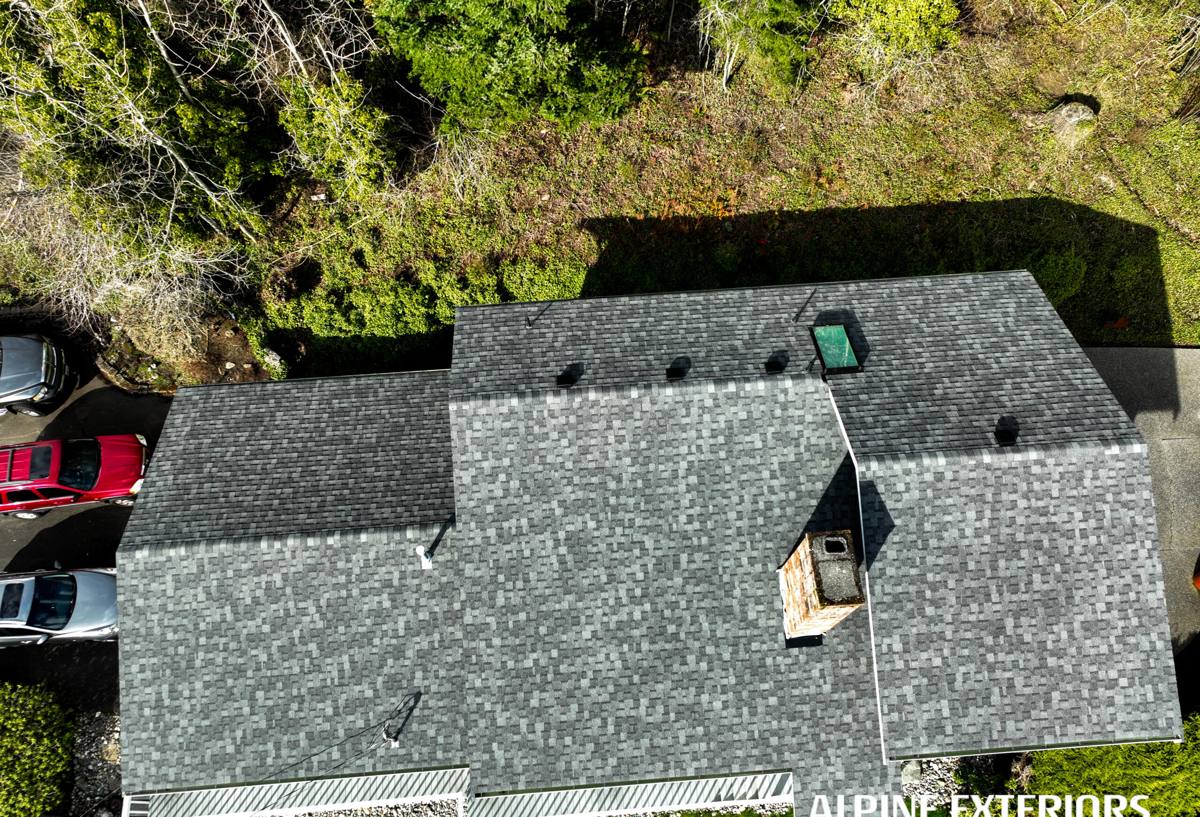
Why Barrier Island Roofs Take More Punishment
Wind
Indian Rocks Beach gets the full force of Gulf winds with nothing to slow them down before they reach the roofline. During storms, that means higher uplift pressure on shingles, tile, and flashing than a comparable roof would see even a short distance inland. Fasteners, adhesive, and flashing details that are "good enough" elsewhere often aren't good enough here.
Salt Air and Corrosion
Salt in the air settles on everything, including metal roofing components — flashing, drip edge, nail heads, vent boots, and fasteners. Over time it accelerates corrosion in anything that isn't rated for coastal exposure. A rusted-through flashing or a corroded fastener is a common root cause of leaks we find on beachside roofs that otherwise look fine from the ground.
UV and Heat
Reflected sunlight off open water adds to the UV load a roof absorbs in a Florida summer. Shingles dry out and lose granules faster, sealant strips age and lose their bond sooner, and tile underlayment breaks down ahead of schedule. A roof's realistic service life on the beach is often shorter than the same materials would last a few miles inland.
Wind-Driven Rain
Ordinary rain falls straight down. Storm-driven rain on the coast comes in at an angle, sometimes nearly horizontal, and finds its way into gaps that would never leak in calmer weather — under ridge caps, around vent penetrations, behind poorly lapped flashing. Repairs that don't account for wind-driven rain tend to leak again during the next storm, even if they hold up fine on a calm, rainy day.
What a Correct Roof Repair Actually Involves
A roof leak almost never starts exactly where the stain shows up on the ceiling. Water travels along rafters, decking, and underlayment before it finds a path through. That's why a repair that's just "seal the spot that's dripping" often doesn't hold — it treats the symptom, not the source.
A correct repair on an Indian Rocks Beach home typically involves:
- Tracing the leak path from the interior stain or damage back to the actual point of water entry on the roof, which is often several feet away
- Checking the condition of the decking underneath the failed area — soft or delaminated decking has to be addressed, not just covered
- Inspecting flashing at every penetration, valley, and wall intersection near the problem area, since flashing failure is the most common cause of coastal leaks
- Matching repair materials to what's already on the roof so the patch doesn't stand out or create a new point of weakness
- Re-securing or replacing fasteners with corrosion-resistant hardware appropriate for coastal exposure
Common Problems We See on Indian Rocks Beach Roofs
Shingle Roofs
Lifted or missing shingles after wind events, granule loss and brittleness from UV exposure, and sealant failure along ridges and rake edges are the most frequent issues. On beach homes, we also see accelerated wear on the sides of the roof facing open water compared to the sheltered sides.
Tile Roofs
Concrete and clay tile roofs are common on the Pinellas County coast and can perform well in this climate, but most tile failures aren't the tile itself — they're the underlayment beneath it breaking down, or individual tiles cracking or sliding out of place after wind events. A tile repair that only replaces the visible cracked tile without checking the underlayment condition underneath is an incomplete repair.
Flat and Low-Slope Roofs
Many beach homes and additions have flat or low-slope sections — over porches, garages, or Florida rooms. These roofs rely on membrane integrity and proper drainage, and they're especially sensitive to ponding water and seam failure. Coastal UV exposure ages membrane roofing faster than it ages steep-slope shingles.
Flashing and Penetrations
Vent stacks, skylights, chimneys, and wall-to-roof transitions are where the majority of coastal leaks originate. Salt air corrosion and repeated wind flexing both take a toll on flashing seals faster here than inland.
How We Handle a Repair, Start to Finish
The process is straightforward, and we keep the homeowner informed at each step:
- Inspection. We get on or over the roof and inspect not just the reported leak area but the whole roof, since coastal roofs often have more than one weak point developing at the same time.
- Diagnosis. We identify the actual point and cause of water entry, and check the decking and structure underneath for hidden damage.
- Written scope. Before any work starts, we explain what we found, what needs to happen, and why — in plain language, not vague line items.
- Repair. We complete the work using materials and fastening appropriate for coastal wind and moisture exposure, matched to your existing roofing where possible.
- Cleanup and documentation. We clean up debris and, when it's useful for insurance purposes, document the damage and repair with photos.
Repair or Replace? How We Make That Call
Not every roof problem calls for a full replacement, and not every leak can be responsibly fixed with a patch. We look at the roof as a whole system before recommending either path.
| Factor | Points Toward Repair | Points Toward Replacement |
|---|---|---|
| Age of roof | Well within expected service life | At or past expected service life for coastal exposure |
| Extent of damage | Isolated to one area or component | Multiple areas failing or widespread granule/tile loss |
| Decking condition | Solid, dry decking under the damaged area | Soft, delaminated, or water-stained decking in multiple spots |
| Underlayment condition | Underlayment still intact and sealing properly | Underlayment degraded or failing in several areas |
| Storm history | Isolated wind event, minor lifting | Repeated storm damage or documented structural wind exposure |
When a repair is the right call, we do the repair. We don't push replacement on a roof that has good years left in it — but we also won't recommend patching a roof that's genuinely at the end of its service life, because a patch on a failing roof rarely holds through the next storm season.
Materials and Methods for Coastal Exposure
Where a repair involves new materials, we use fasteners, flashing, and sealants rated for coastal and high-wind exposure rather than standard-grade hardware. That includes corrosion-resistant fastener types, properly lapped and sealed flashing details at penetrations and valleys, and underlayment that holds up under sustained UV and heat. On tile and shingle roofs alike, the flashing and fastening details matter more to long-term performance on the beach than the roofing material itself.
Why It Matters to Hire a Crew That Already Works This Coastline
Roofing work in Pinellas County's coastal areas has to meet Florida Building Code wind requirements for the region, and barrier island properties often come with their own access and permitting considerations — narrow lots, elevated construction, and in some cases proximity to the water that affects how work is staged. A crew that regularly works Indian Rocks Beach and the surrounding Clearwater coastline already understands these realities, has a feel for how local roofs typically fail, and knows what documentation insurance carriers usually want to see after wind or storm damage. That local familiarity translates into fewer surprises and a repair that's built for the conditions the roof will actually face, not generic conditions.
Between-Repair Maintenance: A Practical Checklist
Coastal roofs benefit from more frequent attention than inland roofs. A few habits go a long way toward catching small problems before they become leaks:
- Have the roof visually inspected after any significant wind event, even if you don't see obvious damage
- Keep gutters and drains clear so wind-driven rain has somewhere to go
- Rinse accumulated salt residue off the roof surface periodically if it's safe and accessible to do so
- Check attic spaces after heavy storms for early signs of moisture, before staining shows up on ceilings
- Have flashing and sealant around vents, skylights, and chimneys checked every year or two, since these fail well before the roofing material itself
- Address small issues — a lifted shingle, a cracked tile — promptly, before the next storm turns a small repair into a bigger one
Insurance and Storm Damage
After a named storm or significant wind event, insurance carriers typically want clear documentation of pre-existing condition versus new damage. We photograph and document our findings during the inspection and repair process, which can help support a claim if you need to file one. We're not a public adjuster and we don't handle the claim itself, but we can give you an honest, specific account of what we find on the roof and what it would take to correct it.
If you own a home in Indian Rocks Beach and have a roof leak, storm damage, or a maintenance issue you want a second set of eyes on, we're happy to come take a look. Estimates are free, there's no pressure to sign anything on the spot, and you'll get a clear, honest explanation of what we find — use the form below to get started.