 Clearwater Siding
 Palm Harbor's Climate Is Hard on Siding — Here's Why
Palm Harbor sits close enough to the Gulf that salt air is a daily fact of life on exterior materials, not an occasional nuisance. Add in Pinellas County's summer humidity, intense year-round UV exposure, and the wind-driven rain that comes with our seasonal storms and hurricane threats, and you have a set of conditions that will find every weakness in a home's exterior. Siding here doesn't just need to look good on installation day — it needs to hold its seal, its color, and its shape through years of sun, moisture, and salt without babysitting.
We install James Hardie fiber cement siding exclusively, and we do it because we've seen what these conditions do to products that weren't built or installed with this climate in mind. This page is about what a correct James Hardie installation looks like specifically for Palm Harbor homes, not a general overview of the product.
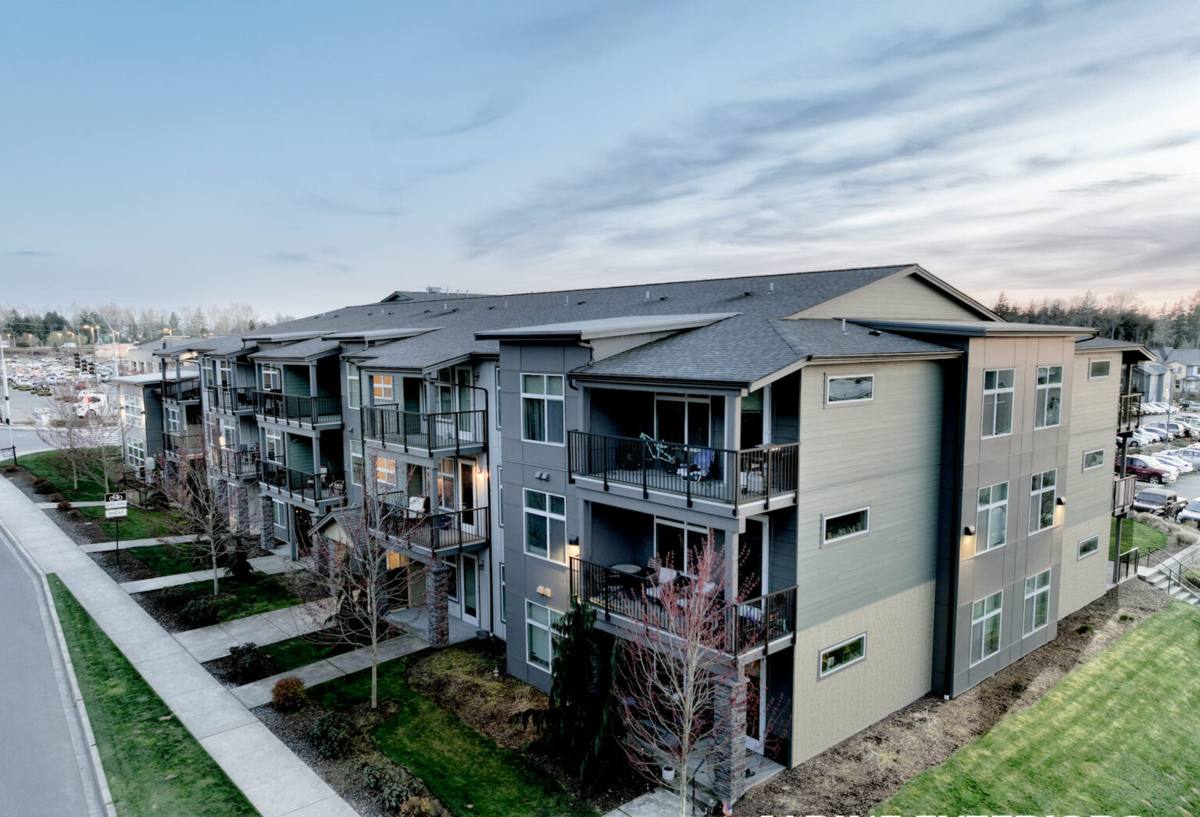
What This Climate Actually Does to a Home's Exterior
Before getting into the product and the process, it helps to understand the specific stresses at play, because they drive every decision in a correct installation:
- Salt air corrosion: Airborne salt accelerates the breakdown of fasteners, trim, and paint film, especially on homes closer to the water.
- UV exposure: Florida's sun fades and chalks paint film faster than it does in most of the country, which is why factory-cured finishes matter more here than almost anywhere else.
- Wind-driven rain: During tropical storms and hurricane season, rain doesn't just fall — it's pushed sideways and upward under siding laps and around penetrations, which is where poor flashing and gapping show up as interior water damage.
- Humidity and moisture cycling: Siding that absorbs water swells, and materials that swell and shrink repeatedly eventually crack, cup, or delaminate at the seams.
Any siding product installed in Palm Harbor has to survive all four of these at once, year after year. That's the bar we hold every job to.
Why We Standardized on James Hardie for This Area
James Hardie fiber cement is engineered from cement, sand, and cellulose fiber — it doesn't absorb and swell the way wood-based products can, and it's non-combustible, which matters given how many Palm Harbor properties sit close to dry brush or neighboring structures. For the Gulf Coast specifically, Hardie makes an HZ5 product line engineered for high-humidity, high-moisture climates like ours, with a formulation and finish system designed to resist moisture intrusion and hold color longer under intense sun.
The factory-applied ColorPlus finish is a big part of why we don't install products that rely on field-applied paint in this climate. A factory finish is baked on under controlled conditions and backed by its own warranty against fading and peeling — something a job-site paint job, done in Florida heat and humidity, can't match for consistency or longevity. For a Palm Harbor home facing this much sun and salt, that difference shows up within a few years, not decades.
Hardie also backs its product with a transferable limited warranty, which matters in a market where homes change hands. A warranty that follows the house, not just the original owner, is worth something when you're planning to sell.
How This Plays Out on an Actual Home
On a typical Palm Harbor property, the sides of the house facing prevailing wind and the most direct afternoon sun take the worst punishment. Correctly specified Hardie siding accounts for this — using the right panel profile, fastening schedule, and clearances so those exposed elevations perform as well as the sheltered ones, instead of becoming the first place problems show up.
What a Correct Installation Involves
The product is only half the equation. Fiber cement siding installed to spec performs for decades; the same siding installed with shortcuts will fail early regardless of the brand on the box. A correct James Hardie installation in this climate includes:
- Proper water-resistive barrier and flashing: Every window, door, and penetration gets flashed so wind-driven rain has nowhere to travel behind the siding.
- Correct clearances: Hardie specifies minimum clearances from roof lines, decks, and grade — skipping these traps moisture against the bottom edge of the siding, which is where premature failure starts.
- Manufacturer-specified fastening: Nail type, spacing, and depth all affect how the panels handle wind load and thermal movement; this is not a place to improvise.
- Correct joint and seam treatment: Butt joints, seams, and corners need to be treated per Hardie's install guide, using compatible caulks and flashing — not just caulked over and painted.
- Touch-up with matched, compatible products: Any field touch-up on cut edges uses Hardie-approved products so the factory finish's protection isn't compromised at the cut line.
These steps are all in James Hardie's published installation instructions — following them is what keeps the manufacturer's warranty valid, and it's what actually determines how the siding performs through hurricane season after hurricane season.
James Hardie Product Lines for Palm Harbor Homes
Different parts of a home benefit from different Hardie profiles. Here's how the common lines compare for a coastal Pinellas County property:
| Product Line | Best Use | Why It Fits Palm Harbor |
|---|---|---|
| HardiePlank lap siding | Primary wall siding | Most common choice; wide color range in ColorPlus finish, proven track record in Gulf Coast climates |
| HardiePanel vertical siding | Accent walls, gables | Clean modern look, often paired with trim for coastal architectural styles |
| HardieShingle siding | Accent sections, dormers | Coastal cottage look without the moisture concerns of real wood shingle |
| HardieTrim boards | Corners, fascia, window trim | Matches siding durability so trim doesn't become the weak point in the system |
| HZ5 formulation | All of the above, specified for this region | Engineered for high-humidity, high-moisture climates like the Gulf Coast |
We'll walk through which combination makes sense for your home's style and exposure during the estimate — there's rarely a one-size-fits-all answer once you factor in roofline, sun exposure, and the look you're going for.
Our Process, Start to Finish
- On-site assessment: We look at your home's current siding condition, exposure to sun and prevailing wind, existing moisture damage, and any trim or flashing issues that need addressing before new siding goes on.
- Written estimate and product selection: You get a clear scope of work, product lines and colors to choose from, and a straightforward price — no vague allowances.
- Prep and moisture check: Old siding comes off, sheathing gets inspected for hidden rot or moisture damage (common in older Palm Harbor homes), and any needed repairs happen before new material goes up.
- Weather barrier and flashing installation: This step is where long-term performance is won or lost, and it's done to Hardie's specification, not shortcuts.
- Siding installation: Panels, fastening, and seams installed to manufacturer spec, with attention to the specific clearances and joint treatment this climate demands.
- Final walkthrough: We go over the finished work with you before calling the job done.
What Affects the Cost of a Job
Every home is different, but the same handful of factors drive most of the variation in price from one Palm Harbor project to the next:
| Factor | Why It Matters |
|---|---|
| Home size and number of stories | More surface area and access complexity directly affect labor time |
| Current siding removal | Tear-off and disposal of old material adds time versus a bare-sheathing new build |
| Sheathing or framing repairs | Hidden moisture damage found during tear-off needs to be fixed before siding goes back on |
| Product line and profile mix | Plank, panel, and shingle profiles carry different material and labor costs |
| Trim and detail work | Homes with more corners, gables, and architectural detail take more time to finish correctly |
We won't quote a number without seeing the home, but we'll always explain what's driving your specific price so there are no surprises.
What to Check Before Hiring Anyone for This Work
Because installation quality determines whether siding performs for decades or fails in a few years, it pays to vet a contractor carefully before signing anything:
- Ask whether they're a certified or preferred James Hardie installer, and ask to see it.
- Confirm they carry current liability insurance and workers' compensation coverage.
- Ask how they handle flashing and clearances specifically — a contractor who can't answer this in detail hasn't thought about it.
- Ask for the manufacturer's installation instructions and whether they follow them as written.
- Check that they're familiar with local permitting requirements for exterior work in Pinellas County.
Why Local Experience in Palm Harbor Matters
A crew that already works this specific area understands which elevations of a home take the worst of the prevailing wind, how salt exposure varies depending on proximity to the water, and what moisture problems tend to show up in the housing stock common to this part of Pinellas County. That local knowledge shapes decisions on flashing detail, clearance, and product selection before a single panel goes up — it's the difference between a generic installation and one built for the specific conditions this home will face.
It also means faster response if something needs a warranty check or follow-up down the line, rather than waiting on a crew that has to travel in from outside the area.
Maintaining Your Siding Once It's Installed
James Hardie siding is low-maintenance, not no-maintenance. A short annual routine keeps it performing as designed:
- Rinse siding with a garden hose once or twice a year to remove salt residue and grime — avoid high-pressure washing directly into seams.
- Inspect caulking at joints, trim, and penetrations annually and have any cracked or missing caulk redone promptly.
- Trim back landscaping so it isn't holding moisture against the siding.
- After any major storm, do a visual check for cracked panels, loose fasteners, or damaged trim.
- Keep gutters and downspouts clear so water isn't sheeting down the wall behind the siding.
None of this is heavy maintenance — it's the kind of upkeep that protects the investment you've already made rather than fixing a problem after the fact.
Ready to Talk About Your Home?
If you're weighing a siding replacement in Palm Harbor, we're happy to take a look at your home, talk through what condition your current siding is in, and give you a straightforward estimate for James Hardie siding done right for this climate. There's no pressure and no obligation — just a clear look at what your home needs and what it would take to get there. Use the form below to request your free estimate.