 Clearwater Siding
 Roof Repair Built for Oldsmar's Climate, Not a Generic Fix
Oldsmar sits at the edge of Old Tampa Bay, and that location shapes what a roof in this community deals with year-round. Between hurricane-force wind gusts during storm season, wind-driven rain that finds every weak seam, and near-constant UV exposure, roofs here age differently than roofs inland. A repair that works fine in a drier, calmer climate can fail within a season or two in Oldsmar if it isn't done with these conditions in mind.
We repair roofs across the Clearwater area, and Oldsmar comes with its own pattern of problems: lifted shingle tabs from sustained coastal winds, nail pops from thermal expansion and contraction, and flashing that corrodes faster than it would twenty miles inland. Understanding that pattern is what separates a repair that lasts from one that reopens the same leak next rainy season.
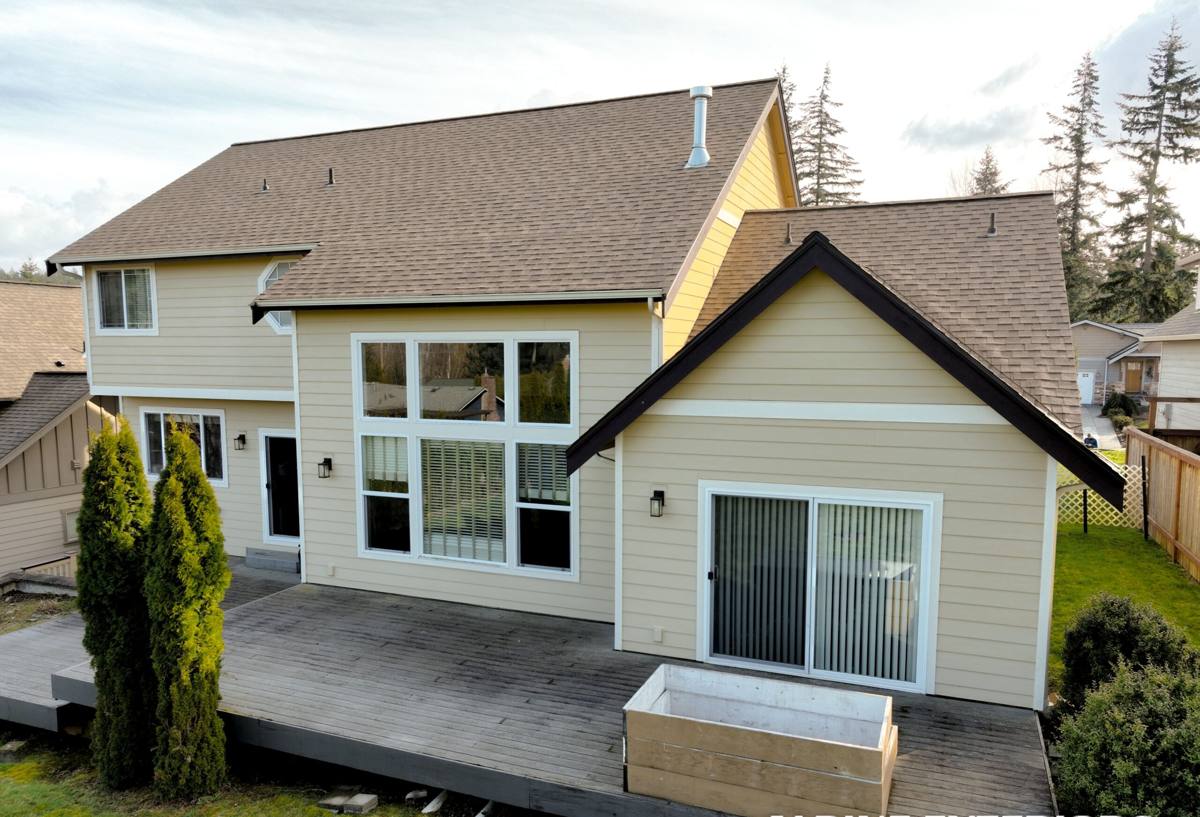
Why Oldsmar Roofs Wear Differently Than Roofs Elsewhere
Wind Exposure
Homes closer to the bay catch stronger, more sustained wind than roofs sheltered further inland. Over time this loosens shingle adhesive strips, works fasteners loose, and stresses ridge caps and hip lines — the highest-wind-load parts of any roof. Even when a storm doesn't cause obvious damage, repeated wind loading fatigues the roofing system a little more each season.
UV and Heat
Florida's intense, nearly year-round sun breaks down asphalt shingle oils and dries out sealants faster than in most parts of the country. That's why a roof that's only twelve to fifteen years old here can already show granule loss and brittle shingles that a roof of the same age up north wouldn't.
Wind-Driven Rain
Rain that comes in sideways during storms doesn't behave like normal rainfall. It gets pushed up under shingle tabs, around flashing edges, and into any gap a straight-down rain would never reach. This is why so many Oldsmar leak calls trace back to flashing and edge details rather than the field of the roof itself.
Salt Air
Being close to the water means metal components — flashing, drip edge, pipe boots, fasteners — corrode faster than they would further from the coast. Corroded metal is one of the most common hidden causes of a leak that seems to come "from nowhere."
Signs an Oldsmar Roof Needs Repair Now, Not Later
- Water stains on interior ceilings or upper walls, especially after wind-driven rain
- Missing, curling, or cracked shingles you can see from the ground
- Granules collecting in gutters or at downspout runoff points
- Soft or spongy spots when walking the roof deck
- Visible daylight through the attic roof deck
- Rusted, lifted, or separated flashing around chimneys, skylights, or vent pipes
- Sagging sections along the roofline
- A musty smell in the attic, which often means moisture is already trapped
Any one of these on its own doesn't necessarily mean a full roof replacement. Most of the time, especially when caught early, it means a targeted repair — but only if the underlying cause gets fixed, not just the visible symptom.
Common Oldsmar Roof Repairs at a Glance
| Issue | Typical Cause in This Area | What the Repair Involves |
|---|---|---|
| Lifted or missing shingles | Sustained coastal wind loading, aged adhesive strips | Remove damaged shingles, inspect deck, install matched replacements, reseal tabs |
| Flashing leaks | Salt-air corrosion, wind-driven rain intrusion | Remove old flashing, inspect for deck rot, install new corrosion-resistant flashing |
| Pipe boot failure | UV breakdown of rubber gaskets over time | Replace boot with a UV-stable component, reseal surrounding shingles |
| Soft or rotted decking | Long-term hidden leak, often from flashing or valleys | Cut out and replace affected decking before any new roofing goes on top |
| Ridge cap damage | Highest wind-load point on the roof | Reset or replace ridge cap shingles and fasteners along the full ridge run |
| Valley leaks | Concentrated water flow during heavy rain | Inspect valley metal or shingles, reflash or reline as needed |
What a Correct Repair Actually Involves
A repair that just covers the visible damage without addressing the cause is one of the most common ways a roof problem comes back. Every repair we do starts with figuring out why the damage happened, not just where it is.
1. Inspection Before Anything Gets Touched
We check the damaged area and the roof around it — surrounding shingles, flashing, decking, and attic if accessible. A leak that shows up in one spot on the ceiling can originate several feet away on the roof, especially along a valley or under a shingle course.
2. Deck Assessment
If water has been getting in for any length of time, the plywood decking underneath may be soft or delaminated. Repairing shingles or flashing over rotted decking doesn't hold — the deck has to be sound first, and any compromised section needs to be cut out and replaced.
3. Matching Materials, Not Just Covering the Spot
We match shingle type, color, and where possible, the manufacturer's product line so a repair blends into the existing roof rather than standing out as an obvious patch. Exact matches aren't always possible on older roofs where a product has been discontinued, and we'll tell you honestly when that's the case rather than promising a perfect match we can't deliver.
4. Flashing and Fastening Done to Wind Standards
Given how much wind this area sees, we don't cut corners on fastening patterns or flashing overlap. Proper nailing pattern and flashing installation are what actually keep a roof watertight in wind-driven rain — more so than the shingle brand itself.
5. Cleanup and Final Check
We clear debris, check gutters and downspouts near the repair for granule buildup, and do a final walk of the repaired area before calling the job done.
Repair or Replace? How We Help You Decide
Not every roof problem calls for a full replacement, and we don't push one when a repair will genuinely hold up. At the same time, we won't recommend patching a roof that's past the point where repairs make financial sense.
Generally, repair makes sense when damage is localized, the roof is under roughly fifteen years old, and the rest of the roofing system is in reasonable shape. Replacement becomes the more honest recommendation when a roof has multiple failure points, widespread granule loss, or repeated leaks in different areas — signs the whole system is reaching the end of its service life rather than dealing with one isolated issue.
We'll walk you through what we find, explain the reasoning, and give you a straight answer about which option actually makes sense for your roof and your budget — not the option that's most profitable for us.
Working With Your Insurance Claim
If your repair is storm-related, we can document damage with photos and a written scope that insurance adjusters can work from. We're not a public adjuster and we don't handle the claim negotiation for you, but we'll give you an honest, accurate assessment of what's damaged and what it takes to fix it correctly — which matters when an adjuster's initial estimate doesn't match the actual scope of the damage.
Why a Crew That Already Works Oldsmar Matters
A roofing crew that regularly works in this part of Pinellas County already knows which failure patterns show up here — where flashing tends to corrode first, which roof orientations take the worst wind exposure, and what a properly wind-rated repair actually requires in a coastal-influenced climate. That's different from general roofing knowledge that doesn't account for salt air and sustained coastal wind.
Local familiarity also means faster response after a storm, a better sense of realistic timelines around permitting in this area, and a crew that's answerable to the community it works in — not a traveling storm-chaser crew that's gone once the job's done.
What to Expect From Start to Finish
- Initial inspection and honest assessment of what's actually wrong
- Written scope of work and cost estimate before any work begins
- Permit pulled if the scope of repair requires one
- Repair work completed, including deck replacement if needed
- Final walkthrough so you can see the completed work
Timelines vary based on the size of the repair, weather, and material availability, but we'll give you a realistic window up front rather than a number that sounds good and doesn't hold.
Protecting the Repair After We Leave
- Have your roof inspected after any major storm, even if you don't see obvious damage
- Keep gutters and downspouts clear so water doesn't back up under shingle edges
- Trim back overhanging branches that can abrade shingles in wind
- Check the attic occasionally for musty odors or daylight through the deck
- Don't ignore small leaks — they rarely stay small in this climate
- Schedule a general roof checkup every year or two, even with no visible problems
If you're dealing with a leak, storm damage, or a roof that's just showing its age, we're happy to take a look and give you a straightforward assessment. Fill out the form below for a free, no-pressure estimate — no obligation, just an honest read on what your Oldsmar roof actually needs.