 Clearwater Siding
 Why Palm Harbor Roofs Wear Out Faster Than the Manufacturer's Warranty Suggests
Palm Harbor sits close enough to the Gulf and to Old Tampa Bay that homes here take on a different kind of weather load than roofs even twenty or thirty miles inland. The combination that matters most is year-round: intense UV breaking down shingle mat and asphalt oils, salt-laden air corroding exposed metal fasteners and flashing, wind-driven rain that finds its way under anything installed loosely, and the real possibility of hurricane-force gusts during storm season. None of these on their own destroys a roof overnight. Together, over years, they're why a roof that's rated for 25 or 30 years in a lab test often needs real attention well before that in Pinellas County.
A new roof installed for a Palm Harbor home isn't the same job as the same roof installed in a drier, cooler climate. The materials, the fastening schedule, the underlayment, and the ventilation all need to account for what this specific location does to a roof over time.
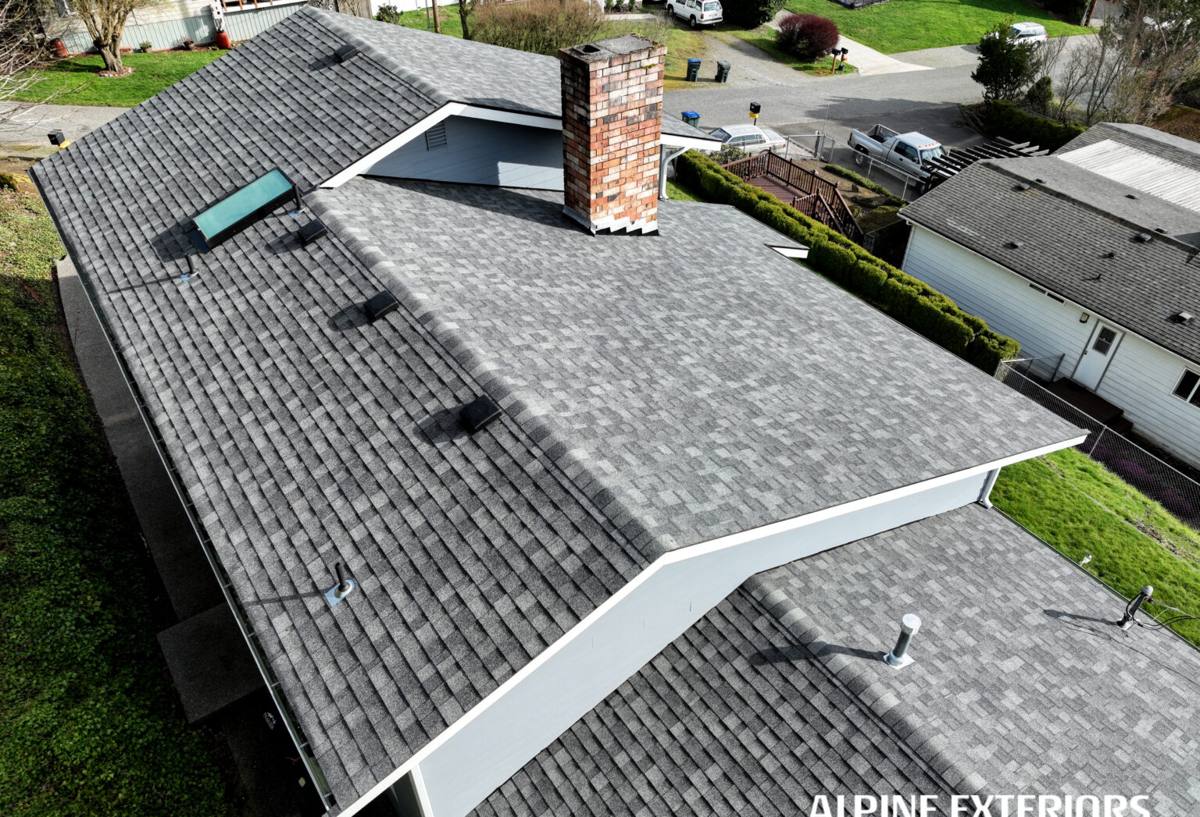
Signs a Palm Harbor Roof Needs Replacement, Not Another Repair
Homeowners often call us after a repair on an older roof, wanting a second repair somewhere else on the same roof a year or two later. At some point patching stops making financial sense. A few signals we look for during an inspection:
- Granule loss heavy enough that you can see bare asphalt on multiple slopes, not just one worn spot
- Shingles that are curling, cupping, or cracking across a broad area rather than isolated storm damage
- Soft spots in the decking when walked, which usually means water has been getting past the shingles for a while
- Repeated leaks in different locations after previous patch jobs
- Visible rust streaking or lifted flashing around chimneys, vents, and valleys
- A roof already at or past 18–20 years old, even if it looks intact from the ground
If a roof shows two or more of these, replacement is usually the more honest recommendation than another round of spot repairs.
What a Correct Roof Replacement Actually Involves
Tear-Off and Deck Inspection
We remove the old roofing down to the deck rather than layering over it. This is the only way to actually see the plywood or OSB underneath, replace any sections that have rotted or delaminated from long-term moisture exposure, and confirm the deck is properly nailed to the trusses before anything new goes on top.
Underlayment That Matches the Climate
In a market like this, a synthetic underlayment or a self-adhering peel-and-stick membrane in vulnerable areas (eaves, valleys, around penetrations) is not an upsell — it's the difference between a roof that sheds wind-driven rain and one that lets it wick sideways under the shingles during a sideways summer storm.
Fastening for Wind, Not Just for Code Minimums
Pinellas County's building code sets minimum nailing and wind-rating requirements, and we meet or exceed them rather than treating them as a ceiling. Correct nail placement, nail count per shingle, and proper starter strips at the eaves matter far more to wind performance than the shingle brand printed on the wrapper.
Flashing and Ventilation
Most leaks we're called out for don't come from the shingle field — they come from failed flashing at chimneys, walls, skylights, and roof-to-wall transitions. New flashing, correctly stepped and sealed, is part of every replacement we do, along with a ventilation check so the attic can actually exhaust the heat and humidity that Florida summers generate.
Choosing a Roofing Material for a Palm Harbor Home
There isn't one "best" roofing material for every house — it depends on budget, roof pitch, HOA rules where applicable, and how long you plan to own the home. Here's how the common options compare for this specific climate:
| Material | Typical Lifespan Here | Wind Performance | Salt Air / UV Resistance | Relative Cost |
|---|---|---|---|---|
| Architectural (laminate) shingles | 18–25 years | Good with proper nailing and rated products | Moderate — UV breaks down asphalt over time | $ |
| 3-tab shingles | 12–18 years | Lower wind rating than architectural | Lower — thinner mat degrades faster | $ |
| Standing seam metal | 30-plus years | Excellent when properly fastened | Strong, if finish is rated for coastal exposure | $$$ |
| Concrete or clay tile | 30-plus years (underlayment shorter) | Very good, heavy and wind-resistant | Excellent for the tile itself | $$$ |
A few honest notes on trade-offs: metal roofing performs very well against wind and salt air, but the fasteners and finish quality matter enormously — cheaper coatings or exposed-fastener systems can corrode or loosen well before the panels themselves fail, so we're selective about which systems we install. Tile roofs shed water and wind well, but the underlayment beneath the tile typically needs attention before the tile itself does, which is easy to overlook since the tile still looks fine from the ground. For most Palm Harbor homes, a quality architectural shingle rated for high wind, installed correctly, remains the most practical balance of cost and durability — which is why it's what we recommend most often, while still installing metal or tile for homeowners who want that look or longevity and are prepared for the higher upfront cost.
Our Process for a Palm Harbor Roof Replacement
- On-site inspection — we walk the roof and the attic, not just look from the driveway, and document deck condition, ventilation, and any problem areas.
- Written estimate — material options, scope of work, and a straightforward price, with the trade-offs explained rather than just a number.
- Permit pulled — Pinellas County and local jurisdiction permitting is handled before work starts, not treated as an afterthought.
- Tear-off and deck repair — old roofing removed, decking inspected and replaced where needed.
- Underlayment and flashing — installed to the standard described above, not the code minimum.
- New roofing installed — with the fastening schedule matched to the wind rating the material and warranty require.
- Final inspection and cleanup — including a magnetic sweep for stray nails and a walk-through so you know what was done and why.
Wind Ratings, Permits, and Why Pinellas County Code Isn't Just Paperwork
Florida's building code, and Pinellas County's application of it, exists because of decades of storm damage claims — much of it traceable to roofs that were technically installed but not installed to withstand real wind uplift. A permitted, inspected roof replacement isn't bureaucracy for its own sake; it's a record that the fastening pattern, underlayment, and flashing were checked by someone other than the crew that installed it. It also matters for insurance and for resale — an unpermitted roof can complicate both down the road.
Why Local Experience in Palm Harbor Actually Matters
A crew that works this area regularly knows things that don't show up in a generic estimate: which streets tend to have older decking that needs extra plywood replacement, how salt exposure closer to the water changes fastener choice, and what the local permitting office actually wants to see on an application versus what the code book technically requires. That familiarity shortens the process and reduces surprises mid-job — it's the difference between a crew learning the area on your roof and one that already knows it.
What Drives Cost on a Palm Harbor Roof Replacement
| Factor | Why It Affects Price |
|---|---|
| Roof size and number of facets | More squares and more valleys/hips mean more material and labor |
| Current layers of roofing | Multiple existing layers cost more to tear off and dispose of |
| Deck condition | Rotted or delaminated plywood found during tear-off adds replacement cost |
| Material chosen | Shingle, metal, and tile carry very different material and labor costs |
| Roof pitch and access | Steep or hard-to-access roofs take longer and require more safety setup |
| Wind rating and underlayment upgrade | Higher-rated systems and full peel-and-stick underlayment cost more upfront but reduce future risk |
We don't quote a number without seeing the roof — anyone who does is guessing, and that guess tends to grow once the tear-off reveals what was hidden underneath.
After Installation: Keeping a New Roof Performing
A correctly installed roof still benefits from basic upkeep in this climate. A short list worth keeping in mind:
- Have gutters and valleys cleared of debris at least twice a year so water isn't dammed during heavy rain
- Trim back overhanging tree limbs that drop debris or scrape shingles in wind
- Schedule a visual inspection after any named storm that brings sustained high winds to the area
- Watch for granules collecting in gutters years down the line as an early sign of shingle wear
- Keep attic ventilation clear — blocked soffit vents undo a lot of the benefit of good roof ventilation
If your Palm Harbor roof is aging, was damaged in a storm, or you're simply trying to plan ahead before it becomes an emergency, we're glad to take a look and give you a straight answer about what it needs. Use the form below to request a free, no-pressure estimate.