 Clearwater Siding
 Why Belleair Bluffs Roofs Wear Out Faster Than the Manuals Say
Belleair Bluffs sits in one of the more exposed pockets of Pinellas County, close enough to the Intracoastal and the Gulf that salt-laden air is a daily fact of life, not an occasional nuisance. Manufacturers write their shingle and underlayment warranties around average national conditions. Homes here don't get average conditions. They get intense, near year-round UV that bakes asphalt oils out of shingles faster than the same product would age in Ohio or Pennsylvania, wind-driven rain that gets pushed sideways under poorly sealed edges and flashing, and tropical-system winds that test every fastener and seam at once, sometimes several times in a single season.
None of that means a roof here is doomed to fail early. It means the roof has to be installed correctly for this climate specifically, with the right materials, the right fastening pattern, and the right attention to the details that generic installations skip. That's the difference between a roof that needs attention every few years and one that quietly does its job for two or three decades.
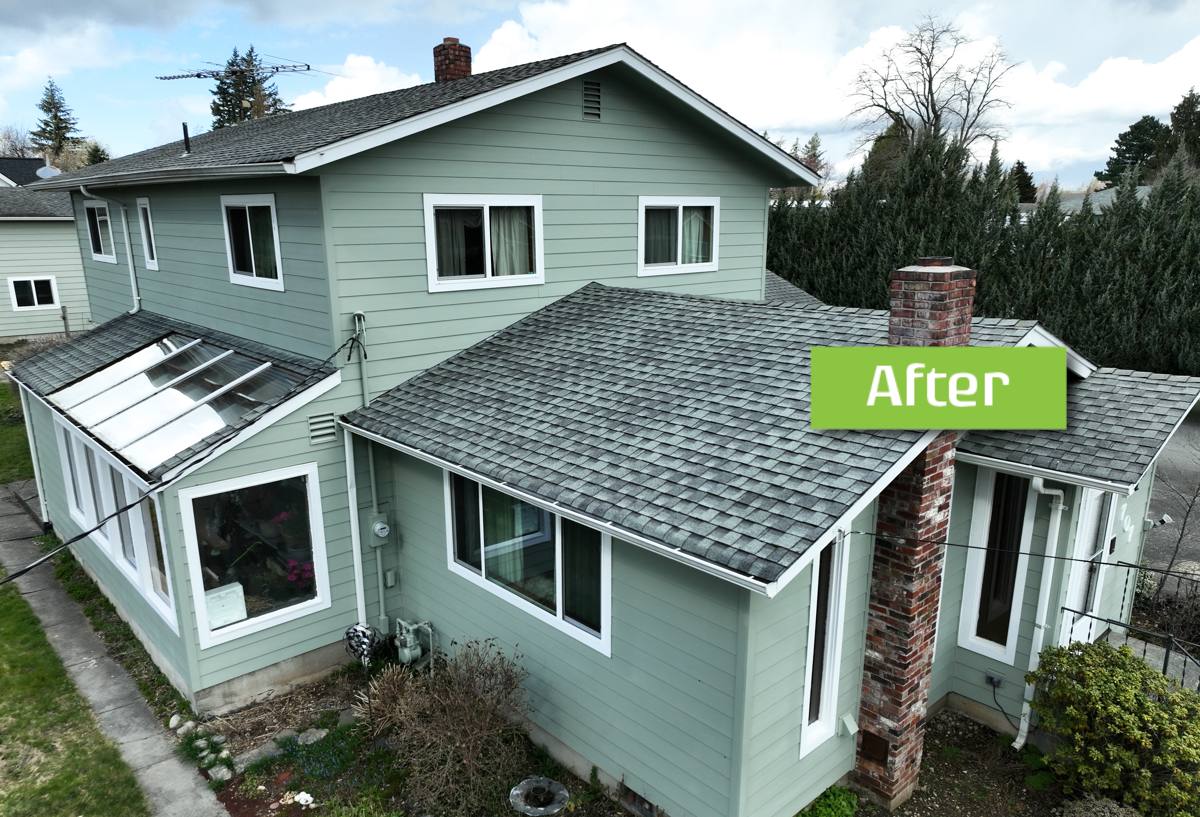
What "New Roof Installation" Actually Involves
A new roof isn't just stripping old shingles and nailing down new ones. Done right, it's a layered system where every component depends on the one under it being installed correctly. Skipping steps doesn't usually show up as a problem on day one — it shows up two years later as a leak, or during the next named storm as missing shingles and water intrusion.
The Layers That Matter
- Deck inspection and repair — plywood or OSB sheathing checked for soft spots, delamination, or water damage and replaced where needed before anything new goes down
- Underlayment — a synthetic or self-adhering membrane that acts as the real waterproofing layer beneath the visible roofing material
- Flashing — metal detailing around chimneys, walls, skylights, and roof penetrations where the vast majority of leaks actually originate
- Ventilation — intake and exhaust venting that keeps attic temperatures and moisture in check, which affects both energy bills and how long the roofing material lasts
- The roofing material itself — shingles, metal panels, or tile, fastened to the wind-rating standard the product and Florida code require
- Drip edge and starter course — the small, often-skipped details at the roof's edges that determine whether wind can get a grip and start peeling material upward
Any roofing crew can put shingles on a roof. Far fewer get every one of those underlying layers right, and it's usually the layers you can't see that decide how the roof performs during the next storm.
Choosing a Roofing System for This Climate
There's no single "best" roofing material for every Belleair Bluffs home — it depends on the roof's shape, the home's structure, your budget, and how long you plan to own the house. What matters is understanding the honest trade-offs of each option rather than picking based on price alone.
| Material | Typical Lifespan Here | Wind Performance | Considerations |
|---|---|---|---|
| Architectural asphalt shingle | 18–25 years | Good, with high-wind-rated products and correct nailing | Most economical upfront; performance depends heavily on installation quality |
| Standing seam metal | 40–50+ years | Excellent when properly fastened | Higher upfront cost; reflects heat well, which helps with cooling costs |
| Concrete or clay tile | 30–50 years | Very good when installed to current fastening codes | Heavier — requires the structure to support it; underlayment quality is critical since tile itself isn't fully waterproof |
Whatever material a homeowner chooses, we install it to meet or exceed Florida Building Code wind requirements for this region, not just the manufacturer's minimum spec. That distinction matters more here than in most parts of the country.
Our Installation Process, Start to Finish
1. On-Site Evaluation
We inspect the existing roof, the deck condition where accessible, attic ventilation, and any trouble spots like valleys, chimneys, or low-slope sections before ever quoting a number. This is also when we talk through material options honestly, including what we would and wouldn't recommend for your specific roof.
2. Written Scope and Permit
New roof installations in Pinellas County require a permit and inspection. We handle that process rather than leaving it to the homeowner, and we put the full scope of work — materials, underlayment type, flashing details — in writing before work starts.
3. Tear-Off and Deck Repair
The old roofing system comes off down to the deck. We don't install new roofing over damaged or spongy sheathing — it's replaced first, because a new roof on a compromised deck is a short-term fix wearing a long-term price tag.
4. Underlayment, Flashing, and Ventilation
This is where most of the long-term performance of the roof gets decided, and it's the stage that's easiest for a rushed crew to shortcut. We don't.
5. Roofing Material Installation
Installed to the fastening pattern required for our wind zone, not a generic national standard.
6. Final Inspection and Cleanup
County inspection, a walk-through with the homeowner, and full site cleanup including a magnetic sweep for stray nails.
Permits, Wind Mitigation, and Your Insurance Premium
A properly permitted, up-to-code new roof isn't just a legal requirement — it's often the single biggest lever a Belleair Bluffs homeowner has over their windstorm insurance premium. Florida's wind mitigation inspection process rewards specific, verifiable construction details: the roof covering type, the roof deck attachment method, the roof-to-wall connection (clips versus straps versus toe-nails), and the secondary water barrier.
A new roof installed with these details documented and done correctly can qualify a home for meaningful wind mitigation credits. We provide the documentation homeowners need to give their insurance agent or a licensed wind mitigation inspector, but we'd rather be upfront: we install to code and to a high standard, we don't sell insurance, and we recommend homeowners get an independent wind mitigation inspection after the roof is complete to lock in whatever credits it qualifies for.
Signs a Belleair Bluffs Home Needs a New Roof, Not a Repair
Not every roofing problem calls for full replacement. But there's a point where patch repairs stop being cost-effective and start being a way to spend money without solving the underlying problem. Watch for:
- Shingles that are cupping, curling at the edges, or missing granules in large patches
- Soft or spongy spots when walking the roof, or visible sagging from the ground
- Daylight visible through the roof deck from inside the attic
- Repeated leaks in different locations after past repairs
- A roof that's 18+ years old and has been through multiple tropical systems without replacement
- Visible flashing that's rusted, lifted, or separated from the surrounding material
- Rising energy bills with no other explanation, which can point to failed ventilation or insulation exposure
If a roof is showing two or more of these, a replacement estimate is worth getting even if the roof "still looks fine" from the street.
What Drives the Cost of a New Roof
Every roof is different, and we don't quote a number without seeing the actual job, but these are the main factors that move the price up or down:
| Factor | Why It Matters |
|---|---|
| Roof size and pitch | Steeper, larger roofs require more material and labor time, plus additional safety measures |
| Material choice | Asphalt, metal, and tile carry significantly different material and labor costs |
| Deck condition | Rotted or damaged sheathing found during tear-off adds material and labor not visible in the initial estimate |
| Roof complexity | Valleys, dormers, skylights, and multiple roof planes all add flashing work and labor time |
| Ventilation upgrades | Adding or correcting attic ventilation is often bundled into a replacement for long-term performance |
| Wind mitigation features | Upgraded fastening, clips, and secondary water barriers add modest cost but can pay back through insurance credits |
Broadly speaking, a straightforward asphalt shingle replacement on an average Belleair Bluffs home tends to sit at a lower cost point than metal or tile, with the final number shaped by the factors above. We give a firm, itemized estimate after the on-site evaluation — not a ballpark over the phone.
Why Hiring a Crew That Already Works in Belleair Bluffs Matters
Roofing crews that work regularly in this specific part of Pinellas County know things that don't show up in a general contractor's checklist: which fastening patterns actually hold up through the wind events this area sees, how quickly salt air corrodes lower-grade fasteners and flashing, and what the county's permitting and inspection process expects on a residential re-roof. That familiarity shows up in fewer surprises during the job and fewer callbacks after it.
It also matters for licensing and accountability. Florida requires roofing contractors to hold a state license, and any legitimate roofing company should be able to show proof of that license along with current liability insurance and workers' compensation coverage without hesitation. A homeowner should never have to ask twice.
Caring for a New Roof After Installation
A correctly installed roof still benefits from basic maintenance, especially in a climate this demanding. Keep gutters clear so water isn't backing up under the eaves. Trim back tree limbs that overhang the roofline, both to reduce debris and to cut down on abrasion during high winds. After any major storm, a simple visual check from the ground for missing or displaced shingles is worth five minutes. And a professional inspection every couple of years catches small flashing or sealant issues before they become interior water damage.
If it's time to talk about a new roof for your Belleair Bluffs home, we're happy to come take a look, walk the roof, and give you a straight, no-pressure estimate — no obligation, no sales pitch, just an honest read on what your roof needs. The form below is the fastest way to get that scheduled.