 Clearwater Siding
 New-Construction Windows for Skycrest Homes
Skycrest is one of Clearwater's older, established neighborhoods, which means most of the window work happening there today falls into two very different categories: true new construction (a ground-up build or a full addition) and gut renovations where the exterior wall gets opened back down to framing. Both require a "new-construction" window — a flanged unit that gets nailed or screwed directly to the framing and integrated into the wall's water-resistive barrier — rather than a "replacement" or "insert" window that fits into an existing frame. Getting this distinction right matters more than most homeowners realize, because the two products install completely differently and one cannot simply be swapped for the other mid-project.
If you're building new, adding a room, or reframing openings during a renovation in Skycrest, this page covers what the job actually involves, what Pinellas County and Clearwater permitting expect, and why the sequencing of this work — done alongside a builder or roofer — is where most problems start.
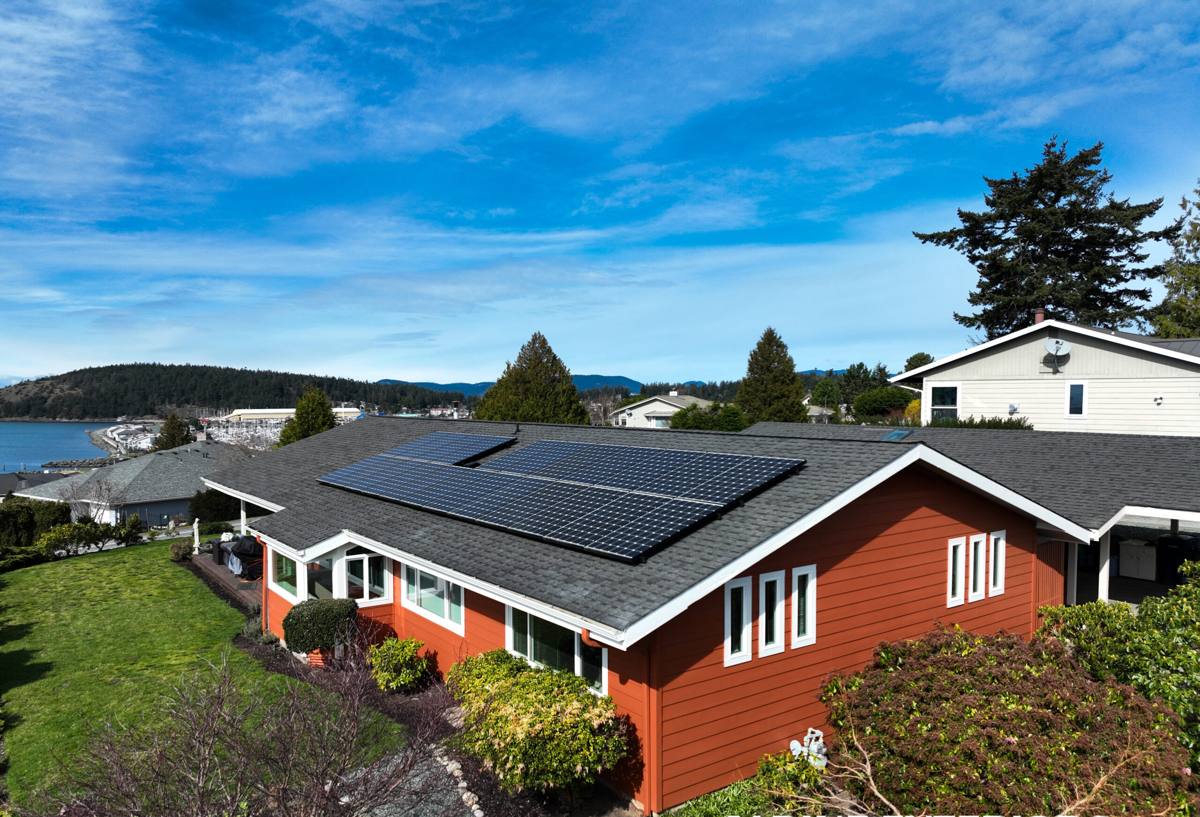
What Skycrest's Climate Actually Does to a Window Opening
Clearwater sits on a peninsula with the Gulf on one side and Tampa Bay influence on the other, and Skycrest gets the full package: hurricane-force wind events during storm season, intense sun nearly year-round, wind-driven rain that hits walls sideways instead of falling straight down, and a steady drift of salt air off the water. None of that is unique to this one neighborhood, but it's worth spelling out because it changes what "correct installation" means here versus a house being built in a drier, calmer climate.
- Wind-driven rain doesn't just test the window itself — it tests the flashing and sill pan underneath it. A window that's watertight in a light rain can still leak during a sideways summer storm if the opening wasn't flashed correctly before the window ever went in.
- UV exposure breaks down cheap vinyl, degrades sealants, and fades interior finishes faster than most homeowners expect. Glass coatings and frame material both matter more here than in northern climates.
- Salt air corrodes exposed fasteners and lower-grade hardware over time, especially on homes closer to the water. Fastener choice and hardware finish are not cosmetic details — they're a durability decision.
- Wind pressure and debris impact during named storms is the reason Florida's building code treats window and door openings as structural components, not just finish items.
Building Code: What Pinellas County Actually Requires
Pinellas County is not in Florida's High-Velocity Hurricane Zone (that's Miami-Dade and Broward), but it still falls under the Florida Building Code's wind-borne debris region requirements for coastal counties. In practical terms, that means new-construction openings in Clearwater need to either use impact-rated windows or be paired with code-approved shutters or panels, and the wind load rating on the window has to match the design pressure for that specific wall location — corner openings and upper floors typically carry higher pressure requirements than a sheltered wall on the ground floor.
Every new-construction window installed in Skycrest needs a Florida Product Approval (or Miami-Dade NOA) number matching the unit installed, and the local building department will check that number against the permit during inspection. This isn't paperwork for its own sake — it's the mechanism that confirms the window was actually engineered for the wind pressures at that address.
Why This Trips Up DIY and Unfamiliar Crews
A window that's perfectly legal to install in a mild inland climate may not carry the product approval Pinellas County requires. We've seen jobs where the window itself was fine quality but the wrong product line for a coastal Florida opening — meaning it either fails inspection or, worse, passes because nobody checked and then underperforms in the next storm.
What a Correct New-Construction Install Involves
New-construction windows have a nailing or screw flange around the perimeter of the frame that gets fastened to the wall sheathing before siding, stucco, or brick veneer goes on. That sequencing is the whole job — do it out of order and you can't fix it without tearing back the exterior finish.
- Rough opening check. The framed opening is measured and squared before the window ever arrives on site. Undersized, oversized, or out-of-square openings get corrected here, not worked around later.
- Sill pan flashing. A sloped sill pan goes in first so any water that gets past the window sheds back outward instead of pooling on the sill and finding its way into the wall cavity. This step is invisible once the job is finished, which is exactly why it's the step most often skipped by crews in a hurry.
- Window set and fastened. The unit is set into the opening, shimmed level and plumb, and fastened through the flange per the manufacturer's installation instructions — spacing and fastener type are specified by the product approval, not left to preference.
- Flashing tape over the flange. Self-adhered flashing tape integrates the window flange into the wall's water-resistive barrier, lapped correctly so water always drains outward and downward, never into a seam.
- Sealant at the interior and exterior perimeter. A proper bead of sealant, not just tape, backs up the flashing at both the interior and exterior joints.
- Exterior finish closes it in. Stucco, siding, or veneer is applied over the flashed flange, and weep holes or drainage paths are kept clear so incidental moisture can still escape.
Every one of those steps happens before the exterior wall finish goes on, which is why new-construction window work has to be coordinated tightly with the builder's schedule — not treated as a trade that shows up whenever it's convenient.
Frame Material and Glass: What We Recommend for This Climate
Homeowners in Skycrest are usually choosing between vinyl, aluminum, and fiberglass frames, plus a decision on glass package. Here's how we walk clients through the trade-offs honestly:
| Frame Material | Coastal Durability | Maintenance | Typical Cost Position |
|---|---|---|---|
| Vinyl (impact-rated) | Good — won't corrode, but lower-grade vinyl can chalk and warp under years of intense Florida UV | Low — no painting, occasional cleaning | Most affordable |
| Aluminum | Strong structurally, but needs a quality finish or coating to resist salt-air corrosion long-term | Low to moderate — finish should be inspected periodically | Mid-range |
| Fiberglass | Excellent — dimensionally stable, handles UV and salt exposure with minimal degradation | Low | Highest upfront cost |
On glass, we default to Low-E coated impact glass on Skycrest jobs facing significant sun exposure — it cuts down on heat gain and UV fading indoors without darkening the view as much as tinted glass. Impact-rated laminated glass is required to meet wind-borne debris code in most cases anyway, so pairing it with a good Low-E coating is usually a small incremental cost for a real comfort benefit.
Our Process on a Skycrest New-Construction Job
Because these jobs almost always run alongside a builder, GC, or renovation contractor, our process is built around not becoming the bottleneck:
- Plan review before framing is finalized. We look at rough opening sizes and wind pressure zones against the actual window line being specified, so nothing gets discovered as a problem after the walls are already framed.
- Material order and lead-time coordination. Impact-rated windows in the sizes and configurations Florida coastal code requires often have longer lead times than stock inland products — we order early against the builder's schedule.
- Flashing and set, on the framer's timeline. We show up when the wall sheathing is ready and the opening is square, do the sill pan, set, flash, and seal, and clear the way for stucco or siding crews right behind us.
- Inspection-ready documentation. Product approval numbers, fastening schedules, and flashing details are kept consistent with what the permit and inspector expect — no surprises at inspection.
- Final check after exterior finish. Once siding or stucco closes the opening in, we do a final look at operation, seals, and weep paths before calling the window work complete.
Mistakes We See on Local Jobs
Most window problems in coastal Pinellas County homes don't come from the window itself — they come from installation shortcuts that don't show up until the first serious storm or a few years of sun and salt exposure:
- Skipping the sill pan and relying on sealant alone to keep wind-driven rain out.
- Fastening through the flange with the wrong fastener type or spacing for the product approval on file.
- Installing before the rough opening is properly squared, then forcing the window to fit.
- Closing in the exterior finish before flashing has been inspected or properly lapped.
- Using a window's inland-rated product line on a coastal opening because it was cheaper or in stock.
Homeowner and Builder Checklist Before Windows Go In
- Confirm the window's Florida Product Approval or NOA number matches the permit set.
- Confirm wind pressure ratings for each opening location, not just a blanket rating for the whole house.
- Verify rough openings are framed square and to the correct dimension before ordering.
- Ask what sill pan and flashing method will be used, and in what order relative to the exterior finish.
- Get the fastening schedule and sealant type in writing if you're coordinating multiple trades yourself.
Living With New-Construction Windows in a Coastal Climate
Once installed correctly, new-construction windows in this climate need very little from a homeowner — but a little seasonal attention goes a long way:
- Rinse frames and hardware periodically to clear salt residue, especially on homes closer to the water.
- Inspect exterior sealant joints once a year, particularly after storm season, for cracking or separation.
- Keep weep holes along the sill clear of paint, caulk, or debris so incidental water can still drain.
- Operate hardware occasionally even on fixed or rarely-used windows to keep mechanisms from seizing.
Why a Local Crew Matters for This Kind of Work
New-construction window installation is unforgiving of guesswork — once the exterior finish closes over the flashing, mistakes are hidden until they show up as a leak or a failed inspection months or years later. A crew that regularly works in Clearwater and Pinellas County already knows the wind pressure zones, the inspectors' expectations, and how local builders sequence a job, which means fewer surprises and less back-and-forth during construction. That familiarity is the difference between windows that pass inspection and perform quietly for decades, and windows that technically meet code on paper but were installed by someone learning the region's requirements on your project.
If you're framing new openings or planning an addition in Skycrest, we're glad to walk the plans with you, talk through frame and glass options for your specific exposure, and give you a straightforward, no-pressure estimate — just fill out the form below to get started.