 Clearwater Siding
 Why Sunset Point Homes Need Siding Built for This Climate
Sunset Point sits close enough to open water that homeowners there deal with a different level of exterior stress than someone ten miles inland. Between the hurricane-force wind events that roll through Pinellas County most years, the near-constant UV load of a Florida sun that doesn't take a season off, wind-driven rain that finds every gap in a wall assembly, and salt air that never fully lets up, siding here has to earn its keep. This isn't a climate where you can install a budget product and expect it to age gracefully. It's a climate that tests everything, all year, and shows the results within a few seasons if the material or the installation was wrong.
We install James Hardie fiber cement siding exclusively, and Sunset Point is a good example of why. This page is about what that specific product, installed correctly, does for a home in this specific area — not a generic rundown of siding options, but a straight answer to what your house actually needs here and how we handle it.
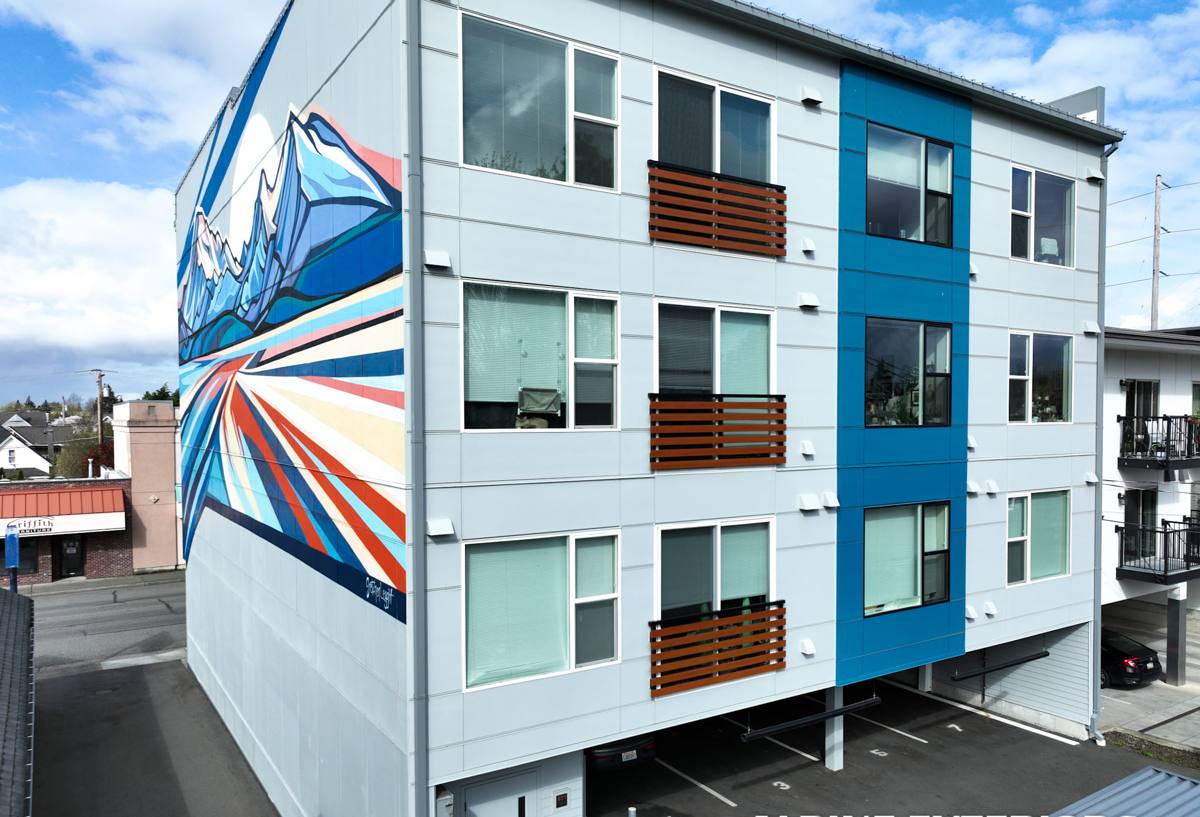
What Sunset Point's Exposure Actually Does to Siding
A lot of siding failure in this part of Clearwater doesn't show up as one dramatic event. It's cumulative. UV breaks down surface coatings and embrittles plastics and some wood-based composites over years of exposure. Salt-laden air accelerates corrosion on fasteners, trim, and any metal component that wasn't specified for a coastal environment. Wind-driven rain during storms pushes moisture sideways into joints, laps, and penetrations that a calmer climate would never test. And when a named storm brings sustained hurricane-force gusts, siding that isn't rated and fastened for that wind load can lift, crack, or tear away outright.
None of these forces work in isolation — they compound. A fastener that's already lost some corrosion resistance to salt air is more likely to back out under wind load. A coating that's chalked and thinned from UV exposure gives water an easier path in behind a panel. That's the case for treating siding here as a system decision, not a single material choice.
What We See on Older Sunset Point Exteriors
On older homes in this area we regularly find some combination of the same issues: cupped or delaminating wood-based siding from repeated wet-dry cycling, chalked and faded vinyl that's gone brittle at the edges, corroded fasteners bleeding rust streaks down the wall, and caulk joints that failed years before anyone noticed water was getting behind the cladding. None of that is unusual for this exposure level — it's what happens to materials that weren't engineered for it, or that were installed without the coastal-specific detailing this area actually needs.
Why We Standardized on James Hardie for This Kind of Exposure
James Hardie fiber cement is made from cement, sand, and cellulose fiber — not wood, not vinyl, not a wood-composite core. That matters here for a specific reason: it doesn't absorb and release moisture through the material itself the way wood-based sidings do, so it isn't prone to the swelling, cupping, and rot that wet-dry cycling causes over time. It's also non-combustible, which is a real consideration during Florida's dry, high-wind fire-weather stretches. And it holds up to UV and salt exposure in a way that's been proven over decades of use in coastal markets, not just marketed for it.
The HZ5 Product Line
Hardie engineers its boards by climate zone, and for Clearwater and the rest of the Gulf Coast we install the HZ5 line, formulated specifically for hot, humid, storm-exposed climates. That's a different formulation than what gets installed in a dry inland climate — the difference is in how the board handles sustained moisture exposure and humidity cycling, which is exactly what Sunset Point's proximity to the water produces year-round.
ColorPlus Factory Finish
Most of the color on a Hardie exterior comes from ColorPlus Technology, a finish baked onto the board in a factory under controlled conditions, with multiple coats cured before the board ever reaches your house. That process holds up to sun exposure and salt air meaningfully better than a coating rolled on-site after installation, where curing conditions can't be controlled and coverage on cut edges and joints is harder to guarantee. ColorPlus also carries its own finish warranty, separate from the substrate warranty on the board itself.
What a Correct Installation Involves
The board itself is only half of what determines how siding performs in this climate. The other half is installation detail — and it's the half that's invisible once the job is finished, which is exactly why it gets shortchanged on rushed or underbid work. A correct install accounts for wind uplift resistance, water management behind the cladding, and the corrosion realities of a near-coastal site.
- Fastener type, spacing, and embedment matched to Hardie's specifications and to the local wind zone, using corrosion-resistant fasteners suited to a salt-air environment
- Flashing at every window, door, and wall penetration, sequenced to shed water outward and down rather than trapping it behind the cladding
- A continuous, correctly lapped water-resistive barrier underneath the siding, with no reversed laps or gaps
- Proper joint treatment and caulking at butt joints and trim intersections, using products rated for sustained UV and moisture exposure
- Correct clearance between the bottom edge of the siding and grade, decks, roof lines, and other surfaces where water and debris tend to collect
- Field cut edges sealed per manufacturer instructions, since an unsealed cut edge is a moisture entry point regardless of how good the board is
Every one of those details is something a homeowner can ask a contractor about directly before signing anything — and should, because the finished wall looks the same whether they were done right or skipped.
James Hardie Compared to What Else Gets Installed Near the Water
Homeowners in Sunset Point often ask how Hardie stacks up against other materials they've seen on neighboring houses. The honest answer depends on what you're optimizing for — upfront cost, long-term maintenance, or performance under storm conditions — and it's worth laying out plainly rather than glossing over.
| Factor | James Hardie Fiber Cement | Vinyl Siding | Wood-Based Siding |
|---|---|---|---|
| Moisture behavior | Dimensionally stable; doesn't swell or rot from wet-dry cycling | Doesn't absorb moisture itself, but panels can warp and gaps open under heat | Absorbs and releases moisture; prone to cupping and rot over time |
| UV/salt exposure | Factory finish holds color and integrity long-term with proper care | Can chalk, fade, and become brittle over years of sun exposure | Coatings break down faster; substrate degrades once coating fails |
| Wind performance | Rated and fastened for high wind loads when installed to spec | Can crack or blow off in sustained high winds if under-rated | Performance depends heavily on fastening and substrate condition |
| Fire behavior | Non-combustible | Combustible, can melt or deform near heat sources | Combustible |
| Typical maintenance | Periodic washing and caulk inspection | Low, but replacement is common after cracking or fading | Regular repainting and moisture monitoring required |
This is why we made James Hardie the only product we install rather than offering a menu of options. For a near-water property in Pinellas County, the trade-offs on the alternatives are real enough that we'd rather stand behind one material we trust than sell homeowners something we know is a worse long-term bet for this exposure.
Our Process for a Sunset Point Project
The process starts with an on-site look at the house, not a phone estimate. We check the current siding and what's likely happening behind it, the condition of the sheathing and water-resistive barrier where it's exposed, and any storm damage, soft spots, or prior repair patches that change the scope. From there we walk through product line, texture, and color, and put together a written estimate that spells out what's included — tear-off, disposal, house wrap or barrier work, flashing, fascia and trim, and the siding install itself.
What Happens On-Site
- Removal of existing siding and inspection of the sheathing underneath for any hidden moisture damage
- Repair of any compromised sheathing before the new water-resistive barrier goes on
- Installation of a continuous, correctly lapped barrier and flashing at all penetrations
- Hardie board installation with fastening and spacing matched to the local wind zone
- Trim, fascia, and caulking to close out every joint and transition
- Final walkthrough so you know exactly what was done and what maintenance to expect going forward
Why a Crew That Already Works Sunset Point Matters
Wind zone requirements, permitting expectations, and inspection standards in Clearwater and Pinellas County aren't generic — they reflect the fact that this is a hurricane-exposed coastal county, and code enforcement here treats wind and water resistance as a real requirement, not a formality. A crew that already works this area knows the permitting process for the jurisdiction, knows what inspectors are going to look for on a re-side, and isn't learning coastal detailing for the first time on your house. That familiarity shows up in fewer surprises during the project and fewer callbacks after it.
It also means we're not guessing about exposure. A home near open water in Sunset Point sees a different level of salt and wind stress than a comparable house further inland, and that difference should change fastener choice, caulking product, and how conservatively we detail flashing — not because a manufacturer's minimum spec requires it everywhere, but because the site in front of us calls for it.
Maintenance and Long-Term Care
James Hardie siding is low-maintenance, not no-maintenance, and that distinction matters more in a salt-air environment than it does inland. A rinse down every few months knocks off salt residue and airborne grime before it has a chance to sit against the finish. Caulked joints and trim intersections are worth a visual check once or twice a year, especially after a significant storm, since caulk is the one component in the system that has a shorter service life than the board or the factory finish around it. Catching a failed joint early is a small fix; catching it late can mean water damage behind the wall that's a much bigger job.
A Simple Maintenance Checklist
- Rinse the exterior periodically to clear salt residue and buildup, more often on sides facing prevailing wind and water
- Visually inspect caulk joints and trim intersections once or twice a year
- After any major storm, check for cracked boards, lifted trim, or displaced flashing
- Keep gutters and downspouts clear so water isn't sheeting down the wall
- Address any soft spots, staining, or bubbling at the base of the wall promptly rather than waiting
What This Means for Your Sunset Point Home
Siding in this part of Clearwater has to do more than look good — it has to hold up to hurricane-season wind loads, a full year of intense UV, wind-driven rain, and salt air that doesn't give a material any downtime to recover. James Hardie fiber cement, installed with the flashing, fastening, and moisture-management detail this exposure actually requires, is the product we trust to do that. We'd rather install one material correctly, every time, than offer a menu of options and let cost pressure push a homeowner toward something that won't hold up here.
If you're planning a re-side, dealing with storm damage, or just want a straight read on what your current siding is doing, we're happy to take a look. Reach out below for a free, no-pressure estimate.