 Clearwater Siding
 Roofing on a Barrier Island Is a Different Job
Indian Rocks Beach sits on a narrow strip of land between the Gulf of Mexico and the Intracoastal Waterway, and that location changes what a roof has to survive. Homes here take on salt-laden air almost year-round, direct Gulf wind with very little to break it, and the kind of wind-driven rain that finds every gap in flashing and fastening a roof a few miles inland might never see. A roof replacement here isn't just "the same job as Clearwater proper, but closer to the water." The materials, fastening patterns, and detailing all need to account for a harsher exposure.
We work throughout Pinellas County, but Indian Rocks Beach and the other barrier island communities get treated as their own category when we scope a job. That means we're not guessing at what holds up out here — we're applying what we've already seen work and fail on similar roofs nearby.
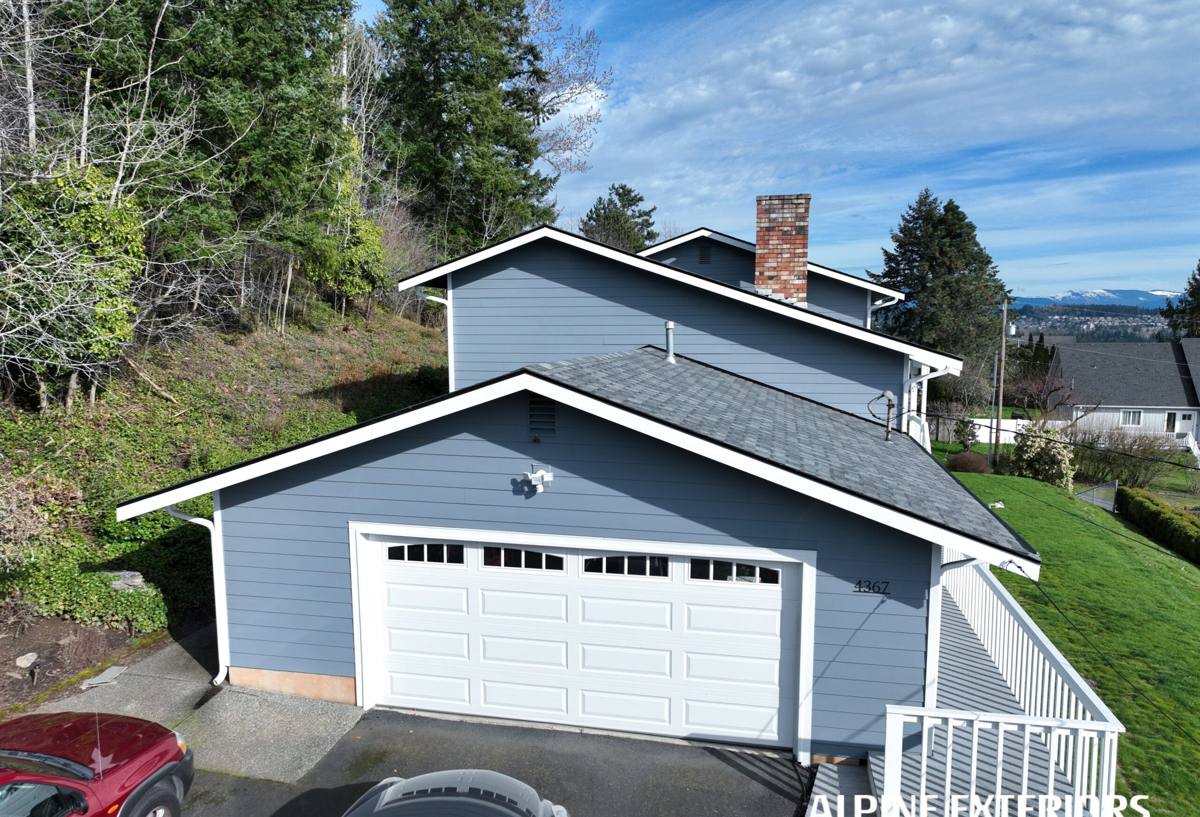
What Salt Air, Sun, and Wind Actually Do to a Roof
Salt Air and Metal Fasteners
Airborne salt accelerates corrosion on any exposed metal — nail heads, flashing, drip edge, vent stacks, and pipe boots. On a standard inland roof, corrosion of these components is a slow, low-priority concern. On a barrier island roof, it's often the thing that ends a roof's useful life before the shingles or underlayment are actually worn out. Fasteners that rust and lose grip strength are a real vulnerability during high wind, since they're what's holding the roof covering down in the first place.
UV Exposure
Florida sun is intense everywhere in the state, but reflective glare off the Gulf and lack of shade cover on many beachside lots add to the UV load a roof takes on. UV breaks down asphalt shingle oils over time, making them brittle, and it degrades unprotected underlayment and sealants faster than the manufacturer's general climate assumptions account for.
Wind and Wind-Driven Rain
Indian Rocks Beach doesn't have much standing between it and open Gulf wind. During tropical storms and hurricanes, that means higher sustained wind loads and rain that gets pushed sideways under shingle tabs, around vents, and through any flashing that isn't sealed correctly. Most roof leaks we find after a storm aren't from a roof "blowing off" — they're from water intrusion at a detail that wasn't built for wind-driven rain in the first place.
Signs a Roof Needs Replacement, Not Another Repair
Not every issue means a full replacement, but a few signs consistently point that direction rather than toward another round of patching:
- Granule loss heavy enough that you can see bare, shiny patches of asphalt on multiple shingles
- Shingles that are curling, cupping, or cracking across large sections rather than just a few spots
- Soft or spongy decking felt underfoot in the attic, or daylight visible through the roof deck
- Rust staining or heavy corrosion at flashing, vent stacks, and fasteners
- Repeated leaks in different locations after storms, rather than one recurring spot
- A roof approaching or past the manufacturer's expected service life for this climate, especially if it's never been re-roofed since original construction
If you're only seeing one or two of these and the roof is otherwise sound, a targeted repair may be the honest answer. We'll tell you that directly if that's what the roof needs — a full tear-off isn't the right call for every problem.
Permitting and Wind Requirements in Pinellas County
Roof replacement in Indian Rocks Beach requires a permit through the appropriate local building authority, and the work has to meet current Florida Building Code wind resistance requirements for this coastal zone. Pinellas County sits in a high-velocity wind area under the code, which affects the fastening schedule, underlayment type, and in some cases the products that are approved for use here. This isn't optional paperwork — it's what determines whether a roof actually performs in a named storm and whether your insurance carrier will treat a future claim as straightforward.
We pull permits, coordinate required inspections, and handle the documentation as part of the job. If your property is in a flood zone or has other overlay requirements common on the barrier islands, we account for that during scoping rather than after the fact.
Choosing a Roofing Material for This Exposure
There's no single "best" roofing material for every home — it depends on your budget, the roof's slope and design, HOA or architectural review requirements (common in some Indian Rocks Beach communities), and how much long-term maintenance you want to take on. Here's how the common options compare specifically for salt air and high wind exposure:
| Material | Wind Performance | Salt Air / Corrosion Resistance | Typical Maintenance |
|---|---|---|---|
| Architectural asphalt shingle | Good, with proper wind-rated products and fastening | Moderate — depends on metal component quality (flashing, fasteners) | Periodic inspection; most common replacement cycle of the three |
| Standing seam metal | Excellent when properly installed | Very good with coastal-grade coatings and stainless or coated fasteners | Low; occasional coating and fastener checks |
| Concrete or clay tile | Very good when fastened to current code; individual tiles can crack under storm debris impact | Good — tile itself doesn't corrode, but underlying flashing and fasteners still need coastal-grade materials | Moderate; underlayment beneath tile has a finite life even though tile itself lasts |
Whatever material you choose, the corrosion-resistant fasteners and flashing matter as much as the shingle, panel, or tile itself. We spec coastal-grade metal components on every barrier island job as our standard practice, not an upgrade — cutting corners there is where most premature coastal roof failures actually start.
What a Correct Roof Replacement Actually Involves
Tear-Off and Deck Inspection
We remove the existing roof covering down to the deck rather than layering over it, which lets us actually inspect the decking for rot, delamination, or soft spots — issues that are common on older roofs near the water and impossible to catch or fix from above. Any damaged decking gets replaced before anything new goes down.
Underlayment and Flashing
Underlayment is your roof's second line of defense against wind-driven rain, and it matters more here than on an inland roof. We use underlayment rated for this wind exposure and detail flashing at every valley, wall intersection, and penetration — the places where the overwhelming majority of leaks actually originate.
Fastening to Code
Wind uplift resistance comes down to fastener type, pattern, and spacing, all of which are specified by current Florida Building Code for this wind zone. We follow the fastening schedule required for the product and wind zone, not a generic inland pattern.
Ventilation
Proper attic ventilation extends the life of the roof deck and covering by managing heat and moisture. On barrier island homes, ventilation components also need corrosion-resistant hardware and detailing that keeps wind-driven rain from being pulled in through the vents themselves.
Our Process, Start to Finish
- On-site assessment — we inspect the current roof, attic, and decking condition and discuss what your home actually needs versus what's optional.
- Written estimate — clear scope, material options, and pricing before any work begins.
- Permitting — we handle the permit application and code compliance documentation with the local building authority.
- Tear-off and deck repair — full removal of the old roof and replacement of any compromised decking.
- Installation — underlayment, flashing, and the roof covering installed to the fastening and detailing standards this wind zone requires.
- Final inspection and cleanup — required inspections completed, and the property cleaned of debris and old materials before we consider the job done.
Why Hiring a Crew That Already Works Indian Rocks Beach Matters
Barrier island jobs come with practical realities a contractor who mostly works inland subdivisions doesn't deal with regularly: tighter lot access, narrow streets and limited staging space, HOA or condo association approval processes, and material choices that have to hold up to a harsher environment than the code minimum sometimes assumes. A crew that's done this work along the beach communities knows to spec coastal-grade fasteners without being asked, knows which flashing details tend to fail first in this exposure, and isn't learning the local permitting process on your project.
We're based in the Clearwater area and treat Indian Rocks Beach as a regular part of our service area, not an occasional trip. That familiarity shows up in fewer surprises during the job and a roof that's actually built for the conditions it has to survive.
Cost Factors to Expect
Every roof is priced individually based on size, pitch, material, and condition of the decking underneath, but a few factors consistently move the price on Indian Rocks Beach jobs specifically:
| Factor | Why It Affects Cost |
|---|---|
| Roof size and pitch | More material and labor for larger or steeper roofs; steep pitches also require more safety setup |
| Material selection | Asphalt shingle, metal, and tile carry different material and labor costs, with metal and tile generally higher upfront |
| Decking condition | Rotted or delaminated decking found during tear-off requires replacement before installation can proceed |
| Coastal-grade hardware | Corrosion-resistant fasteners and flashing cost more than standard-grade components but are essential in this exposure |
| Access and staging | Narrow lots and limited street parking common on the island can affect equipment staging and labor time |
We'll walk through these specifics for your property during the estimate so there are no surprises once work begins.
After the New Roof Goes On
A new roof still needs occasional attention to get its full expected life out of it, especially in this environment. A simple maintenance routine goes a long way:
- Have the roof visually inspected after any major storm, even if you don't see obvious damage from the ground
- Keep gutters and downspouts clear so water isn't backing up under the roof edge
- Watch for rust staining at fasteners or flashing and address it early rather than waiting
- Trim back overhanging vegetation that can hold moisture against the roof or drop debris during storms
- Schedule a periodic professional inspection rather than waiting for a visible leak
If you're weighing repair versus replacement, or just want an honest read on where your roof stands, we're happy to take a look and give you a straightforward assessment. Request a free, no-pressure estimate using the form below and we'll go from there.