 Clearwater Siding
 Deck Repair Built for Barrier Island Conditions
Indian Rocks Beach sits on a narrow strip of land between the Gulf of Mexico and the Intracoastal Waterway, and that location shapes how decks age here. A deck built the same way you'd build one ten miles inland, using the same fasteners and the same maintenance schedule, will not last as long once it's a few blocks from open salt water. We repair decks in Indian Rocks Beach on a regular basis, and the failures we see are consistent enough that we can usually tell what's wrong with a deck before we even get our hands on it.
This page is about deck repair specifically — not new deck builds, and not generic advice you'd find on a national home improvement site. It's what we've learned working on this stretch of Pinellas County coastline, and what a homeowner here should actually expect from a repair job done right.
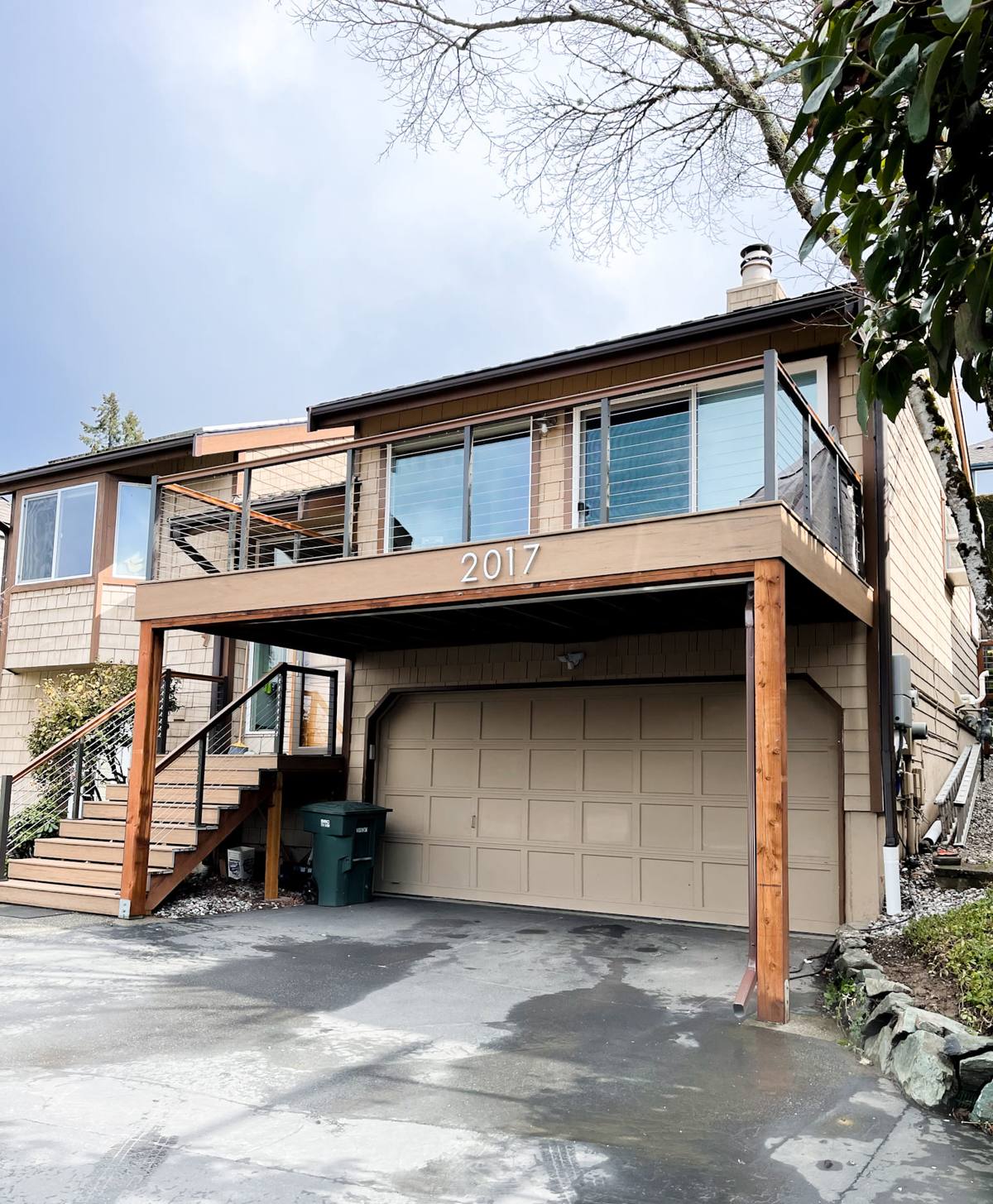
Why Decks Wear Out Faster Here
Every coastal town deals with sun and rain. Indian Rocks Beach deals with a specific combination that's harder on wood, fasteners, and connections than most inland Florida locations:
Salt Air and Corrosion
Airborne salt doesn't need direct ocean spray to do damage — it travels on the wind and settles on everything, including framing members tucked under the decking boards where you can't see them. Salt accelerates corrosion in metal fasteners, joist hangers, and structural screws. A fastener rated for general outdoor use inland can start rusting within a couple of years this close to the Gulf. Once a fastener corrodes, it loses holding strength long before it looks obviously bad from a casual glance.
UV Exposure
Florida sun is intense nearly all year, and a deck has no shade to speak of most of the day. UV breaks down the lignin in wood fibers, causing graying, surface checking, and splintering. It also degrades sealants and finishes faster than the label on the can usually accounts for, which is why a "5-year" stain often needs attention closer to year two or three out here.
Wind-Driven Rain and Moisture Cycling
Storms off the Gulf don't just bring rain — they drive it sideways, into end grain, under flashing, and into any gap where two boards meet. That water gets in fast and, without good airflow underneath the deck, dries out slowly. Wood that repeatedly swells and dries develops internal stress, cupping, and eventually rot at the connections that matter most: ledger boards, post bases, and joist hangers.
Hurricane-Force Wind Loads
Even when a storm doesn't make direct landfall, Indian Rocks Beach regularly sees tropical-storm and hurricane-force gusts. A deck's railing posts, guard connections, and ledger attachment to the house are what keep it from racking or separating under lateral load. Corrosion and rot in those connections don't just shorten the deck's life — they turn it into a safety issue during the exact conditions when people are least likely to notice a problem until it's obvious.
Common Deck Problems We Find in Indian Rocks Beach
- Soft or spongy decking boards — usually surface rot from trapped moisture, most common where boards butt against the house or a planter.
- Rust streaks around fastener heads — an early warning sign of fastener corrosion, even when the board itself still looks fine.
- Wobbly or loose railings — often a sign the post base or the blocking behind it has started to rot or the lag bolts have corroded.
- Gaps or separation at the ledger board — where the deck meets the house; this is one of the most serious issues we find because it affects the whole structure's connection point.
- Cupping or crowning boards — a symptom of repeated wet/dry cycling, common on the sun-exposed side of a deck.
- Corroded joist hangers — usually hidden from view underneath the deck, found during a proper inspection rather than a walk-around.
- Stair stringer cracking — stairs take concentrated foot traffic and flex more than the main deck surface, so they often show wear first.
Repair or Replace? What Actually Determines the Right Call
Not every deck problem means starting over, and not every "repair" is worth doing if the underlying structure is compromised. The honest answer depends on where the damage is and how far it's spread.
| Factor | Favors Repair | Favors Replacement |
|---|---|---|
| Location of damage | Isolated to a few boards or one railing section | Spread across ledger, multiple joists, or post bases |
| Structural framing condition | Solid, dry, no soft spots when probed | Soft or rotted joists, beams, or ledger connection |
| Age of the deck | Under 10-12 years with routine maintenance history | Original construction predates current code, or age unknown |
| Fastener condition | Isolated corrosion, easily replaced piece by piece | Widespread rust throughout hardware and hangers |
| Code compliance | Original build meets current guard and attachment standards | Railing height, baluster spacing, or ledger attachment don't meet current code |
We'll always tell you plainly which category your deck falls into. A repair on a structurally sound deck is a good investment. Patching boards on top of a compromised frame just delays a bigger problem and isn't something we'll recommend, even if it's the cheaper answer in the moment.
What a Correct Repair Actually Involves
Structural Inspection First
Before we replace a single board, we check what's underneath: joists, beams, the ledger board attachment, post bases, and any hardware we can access. Surface-level repairs on top of hidden rot or corrosion don't hold up, and we're not interested in doing work that looks fine for one season and fails the next.
Matching or Upgrading Materials
When we replace boards, we match the existing decking where that makes sense, or discuss upgrading to a more corrosion- and moisture-resistant option if the homeowner wants fewer maintenance cycles going forward. Either way, this is your decision — we lay out the real trade-offs rather than pushing a single product.
Fastener and Hardware Grade
This is where a lot of deck repairs fail early in coastal areas: using standard exterior-grade fasteners instead of hardware rated for coastal or marine exposure. We use stainless steel or coastal-rated hot-dip galvanized fasteners and connectors for anything structural, because a repair is only as good as the hardware holding it together.
Proper Flashing and Drainage
Where a deck meets the house, flashing keeps water from getting behind the siding and into the ledger connection — one of the most common sources of hidden rot. We check and correct flashing details as part of any repair that touches the ledger, not just when it's the obvious problem.
Our Repair Process
1. On-Site Assessment
We walk the deck with you, probe suspect areas, and check underneath where we can access it. You get a straight answer about what's actually wrong, not just what's visible from the top.
2. Written Scope and Estimate
You get a clear breakdown of what needs to be repaired, what materials and hardware we're using, and why. No vague line items.
3. The Repair Work
We remove and replace only what needs it, using fasteners and connectors suited to this environment, and we double-check structural connections before closing anything back up.
4. Final Walkthrough
We go over the completed work with you, point out anything worth keeping an eye on, and answer questions about maintenance going forward.
Permits and Local Code Considerations
Deck repair work in Indian Rocks Beach can fall under Pinellas County or local permitting requirements depending on the scope — particularly if structural framing, the ledger attachment, or railings are involved. Guard height and baluster spacing requirements have also been updated over the years, so an older deck may not meet current code even if it was built correctly at the time. We handle the permitting conversation as part of the job so you're not left guessing whether your repair is compliant.
Why It Matters to Hire a Crew That Already Works This Area
A contractor who mostly works inland can still do competent carpentry, but they may not think to spec coastal-rated fasteners by default, or know to check the specific spots on a barrier island deck that fail first. Working in Indian Rocks Beach regularly means we're not guessing about how salt air, sun, and storm exposure affect a deck here — we're accounting for it from the first inspection, not discovering it's a problem after the repair has already started to fail.
Maintaining Your Deck Between Repairs
- Rinse off salt residue and debris every few weeks, more often after storms
- Reseal or restain on a shorter cycle than the product label suggests — Florida sun degrades finishes faster
- Keep gutters and downspouts directing water away from the deck area, not onto it
- Check railings and stair connections for movement a couple of times a year
- Keep planters and furniture legs from sitting directly on boards without airflow underneath
- Address soft spots or rust streaks as soon as you notice them — small repairs now prevent structural repairs later
If your deck in Indian Rocks Beach has soft boards, loose railings, or you just haven't had it looked at in a while, we're glad to come take a look. The estimate is free, there's no pressure, and you'll get a straight answer about what it actually needs — use the form below to get started.