 Clearwater Siding
 Window Replacement for Harbor Oaks Homes
Harbor Oaks sits close enough to the water that its homes take on a different set of stresses than houses further inland in Pinellas County. Between the salt-laden air drifting off the coast, the intensity of Florida's year-round UV exposure, and the very real threat of hurricane-force wind and wind-driven rain during storm season, windows here get tested in ways that windows in milder climates never are. If you've owned a home in this neighborhood for more than a few years, you've probably already noticed it: cloudy glass, foggy seals, sticky sashes, or frames that just don't look or feel the way they did when the house was built.
This page is about one thing specifically: replacing windows in Harbor Oaks the right way, with the right products, installed to the standard this climate actually demands. We're not going to give you a generic rundown of window styles. We're going to walk through what actually matters for homes in this part of Clearwater.
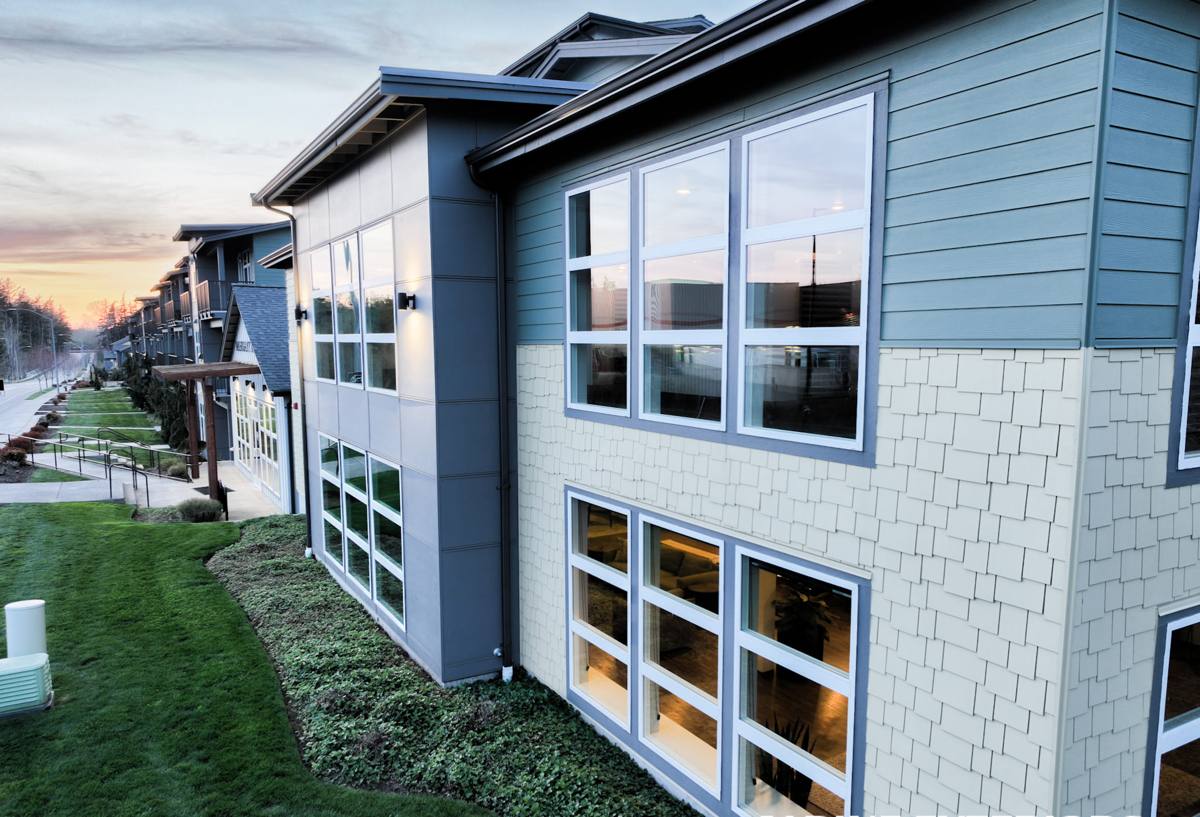
What This Climate Does to Windows Over Time
Every coastal Florida neighborhood deals with heat and humidity, but Harbor Oaks' proximity to the water adds salt air into the mix, and that combination accelerates several kinds of window failure that homeowners further from the coast may not see for another decade or more.
Seal Failure and Fogging
Double-pane windows rely on a sealed gap between panes filled with inert gas to control heat transfer. That seal is made of materials that break down under constant UV bombardment and thermal cycling — the glass heats up in direct sun and cools rapidly during afternoon storms, expanding and contracting the seal thousands of times over its life. Once the seal fails, moisture gets between the panes and you get permanent fogging or a milky ring around the glass edge. This isn't cosmetic — it means the insulating gas is gone and the window is no longer doing its job.
Frame Corrosion and Salt Buildup
Salt air doesn't just sit on the outside of the glass — it settles into hardware, tracks, and any exposed metal fasteners. Over years, this causes pitting and corrosion in lower-grade hardware, and it's part of why we pay attention to the corrosion resistance rating of hardware and fasteners, not just the frame material itself, when we spec a replacement job in this area.
UV Degradation
Florida sun breaks down vinyl, weakens caulking and sealants, and fades interior finishes faster than almost anywhere else in the country. Windows without adequate UV-blocking glazing let that same fading happen to your floors, furniture, and window treatments indoors.
Wind and Pressure Cycling
Even outside of a direct hurricane hit, Clearwater sees regular tropical storms and squall lines that put repeated pressure loads on window frames and their attachment to the wall structure. Windows that aren't properly anchored, or that use undersized fasteners, loosen over time — which is exactly the kind of failure that turns into a real problem the next time a serious storm comes through.
Signs a Harbor Oaks Home Needs Window Replacement
- Fogging, condensation, or a cloudy ring between the panes of double-pane glass
- Windows that are difficult to open, close, or lock — often a sign of frame warping or hardware corrosion
- Visible gaps, cracked caulking, or daylight showing around the frame
- Noticeably higher cooling bills without another clear explanation
- Drafts or a "cold near the window" feeling even with the AC running hard
- Soft or discolored framing around the window opening, which can point to water intrusion behind the frame
- Chalky, faded, or brittle exterior frame finish from sustained UV exposure
- Windows that predate current Florida Building Code wind-load requirements for this area
Any one of these on its own might just mean a repair. Several at once, especially on a home that still has its original windows, usually means replacement is the more honest recommendation — and we'll tell you that plainly rather than trying to patch something that's past the point where patching makes sense.
What a Correct Window Replacement Job Actually Involves
A window replacement is not just popping out an old sash and dropping in a new one. Done correctly, especially on a coastal Pinellas County home, it involves several steps that matter more here than they would in a low-wind, low-humidity climate.
Assessing the Rough Opening
Before anything is ordered, we check the condition of the framing around each window opening. Older homes in this area sometimes have wood framing that's seen moisture intrusion over the years, and installing a new window into a compromised opening just locks a hidden problem behind a new frame. If we find deteriorated wood or evidence of past water damage, we address it before the new window goes in — not after.
Selecting Glazing and Frame Material for This Exposure
For Harbor Oaks specifically, we lean toward impact-rated or at minimum high-wind-rated glazing systems with low-E coatings that cut UV and heat transfer, paired with frame materials and hardware that hold up to salt air without pitting or discoloring over a normal service life. We'll walk through the honest trade-offs between options — cost, maintenance, appearance, and long-term performance — rather than just pushing the highest-margin product.
Flashing and Water Management
This is the step that separates a window that lasts from one that leaks. Every opening gets proper flashing integrated with the home's existing water barrier, sloped sills that shed water outward instead of pooling it, and sealant applied at the right points — not just a bead of caulk around the trim. Wind-driven rain during a tropical storm doesn't come straight down; it drives sideways into the wall, and a window that isn't flashed correctly for that will eventually leak regardless of how good the window itself is.
Fastening to Meet Local Wind Load Requirements
Windows in this part of Florida need to be anchored according to the wind-load requirements that apply to Pinellas County, using fastener types, spacing, and embedment that match the manufacturer's tested installation instructions for the product's design pressure rating. This is a step that's easy to shortcut and impossible to verify once the trim is back on — which is exactly why it needs to be done right the first time.
Interior and Exterior Finish Work
Once the window is set and sealed, trim, interior finish, and exterior caulking are completed to match the surrounding wall — clean lines, no gaps, and a finish that will actually hold up to sun and moisture rather than cracking within a season.
How Our Process Works
- Free on-site assessment. We look at your existing windows, the condition of the framing, and talk through what's actually driving the need — comfort, storm protection, energy costs, or just windows that are past their service life.
- Honest recommendation and written estimate. You get a clear breakdown of product options and pricing, with the trade-offs explained in plain terms — no pressure, no scare tactics.
- Scheduling around your home. We coordinate the install timeline to minimize how long openings are exposed, which matters more here than in a dry climate.
- Installation to spec. Proper opening prep, flashing, fastening to wind-load requirements, and finish work — done in the sequence that actually protects the home, not the sequence that's fastest.
- Final walkthrough. We check operation, seals, and finish work with you before we consider the job done.
Cost Factors to Understand Before You Get Quotes
Window replacement pricing varies a lot based on the choices below. Understanding what drives the number helps you compare quotes on an apples-to-apples basis instead of just looking at a bottom-line total.
| Factor | Why It Affects Cost |
|---|---|
| Impact-rated vs. standard glazing | Impact-rated glass is thicker and more complex to manufacture, but reduces or eliminates the need for separate shutters or storm panels |
| Frame material | Vinyl, fiberglass, and aluminum differ in upfront cost, expected lifespan in salt air, and maintenance needs |
| Number and size of openings | Larger openings and full-home replacements have different labor and material economics than a handful of windows |
| Condition of existing framing | Rot or water damage found during removal adds repair work that a straightforward swap wouldn't require |
| Wind-load design pressure rating | Higher-rated products for greater storm protection typically cost more than baseline code-minimum options |
| Low-E and UV coatings | Better coatings reduce cooling costs and interior fading but add to the per-unit glass cost |
We'll go through each of these with you during the estimate so you understand exactly what you're paying for and why, not just a total number with no explanation behind it.
Why a Crew That Already Works Harbor Oaks Matters
Window replacement done wrong doesn't usually show itself right away — it shows up eighteen months later as a leak inside a wall cavity, or three years later as hardware seized up from salt corrosion, or during the next real storm as a window that failed under wind pressure it should have handled. A crew that already works in this specific part of Clearwater has seen how these particular homes age, what framing conditions are common in the neighborhood, and what actually holds up against this exact combination of salt air, UV, and storm exposure — versus a crew whose experience is mostly with inland or out-of-state conditions that don't map onto what your house deals with every year.
That local pattern-recognition is worth something you can't easily get from a quote alone. It means fewer surprises during the job, and a better chance the recommendation you get matches what actually performs well on homes like yours rather than a generic, one-size-fits-all pitch.
Maintaining New Windows in a Coastal Climate
Even a correctly installed, high-quality window benefits from basic upkeep in this environment. A few habits go a long way toward getting the full service life out of the investment:
- Rinse frames and tracks periodically to clear accumulated salt residue, especially after long dry spells followed by rain
- Inspect exterior caulking and sealant lines once a year, particularly before hurricane season, and have any cracking addressed promptly
- Lubricate hardware, locks, and rollers on operable windows to prevent salt-related stiffness or seizing
- Check for soft spots in surrounding trim or siding, which can indicate a developing water intrusion issue unrelated to the window itself
- Keep an eye on glazing for early signs of seal failure, like faint edge fogging, so it can be addressed before it worsens
Get a Straightforward Estimate
If you're weighing whether your Harbor Oaks home needs a few windows replaced or a full-home update, we're glad to come take a look and give you a straightforward, no-pressure assessment of where things actually stand. Use the form below to request a free estimate, and we'll walk you through your options in plain terms.