 Clearwater Siding
 Siding Installation in Dunedin: What the Climate Actually Demands
Dunedin sits on the Pinellas County coastline, which means every siding installation here has to answer to conditions most of the country never deals with. Hurricane-force winds test how well panels are fastened and lapped. Intense, near-constant UV bakes color and finish year-round. Wind-driven rain finds every gap in flashing and trim. Salt air corrodes fasteners and accessories that weren't chosen with coastal exposure in mind. None of this is unique to one street or subdivision in Dunedin — it's the baseline every home in this part of Clearwater and the surrounding Gulf Coast has to survive, year after year.
That baseline is exactly why we install one product system: James Hardie fiber cement siding. Not because it's the only siding that exists, but because it's the one we're willing to put our name behind on homes that face this specific climate. This page covers what a correct siding installation looks like in Dunedin, what tends to go wrong when it isn't done right, and how our process is built around local conditions rather than a generic national install.
Why Dunedin Homes Are Harder on Siding Than Inland Properties
Homeowners moving to Dunedin from farther inland are often surprised at how fast siding ages here compared to what they're used to. A few things compound in this specific location:
- Proximity to the water: Salt-laden air travels well inland from the Gulf and Intracoastal, accelerating corrosion on fasteners, trim, and any metal accessories that aren't rated for coastal use.
- Sun exposure: Florida's UV load is among the highest in the continental U.S., and it doesn't let up seasonally the way it does farther north. Siding finishes that aren't engineered for this kind of exposure chalk, fade, and become brittle years ahead of schedule.
- Storm frequency: Pinellas County sees regular tropical systems and severe thunderstorms with sustained high winds. Siding doesn't just need to look good between storms — it needs to stay fastened and sealed during them.
- Humidity and moisture cycling: Constant humidity followed by heavy rain events means any siding material that absorbs and releases moisture is going to expand, contract, and eventually fail at the seams or fasteners.
Put together, these conditions punish shortcuts. A siding job that would hold up fine in a milder climate can start showing problems within a few years in Dunedin if the material, fasteners, or installation details weren't chosen with this environment in mind.
Why We Install James Hardie and Nothing Else
We get asked regularly why we don't offer vinyl, LP SmartSide, or other fiber cement brands as options. The honest answer is that we standardized on James Hardie because it's the product line best matched to what Dunedin's climate does to a house over time.
Non-Combustible and Storm-Rated
James Hardie fiber cement is non-combustible, which matters in a state where lightning-sparked brush fires are a real risk and insurers increasingly factor exterior materials into coverage and premiums. It also holds up to wind-driven debris and heavy rain far better than materials that rely on flexible seams or absorbent cores.
Climate-Engineered Product Lines
Hardie's HZ5 product line is specifically engineered for hot, humid climate zones like ours, with a formulation designed to resist moisture intrusion and hold its shape in heat and humidity swings. This isn't a generic siding product adapted for Florida — it's built for exactly this kind of environment.
Factory-Applied ColorPlus Finish
The ColorPlus finish is baked on in a controlled factory environment rather than field-painted, which gives it far better UV and fade resistance than site-applied paint. In a market with Dunedin's sun exposure, that difference shows up within the first few years, not decades down the road.
What We Give Up by Not Installing Alternatives
We won't pretend there's no trade-off. Vinyl siding is typically less expensive up front and lighter to install. LP SmartSide and other engineered wood products have their own installer base and can look good when properly maintained. Other fiber cement brands exist and some contractors do solid work with them. Our decision isn't a claim that those products can't function — it's that after years of coastal installation work, Hardie's combination of moisture engineering, factory finish, and warranty structure is what we trust to perform on this coastline without surprises. Standardizing on one system also means our crews install it constantly, rather than switching between products and picking up bad habits from unfamiliar materials.
What a Correct Installation Involves
Siding is only as good as the details behind it. In Dunedin's climate, several installation steps matter more than they would in a milder region:
Weather-Resistive Barrier and Flashing
Every seam, window, and door opening needs proper flashing and a continuous weather-resistive barrier behind the siding. Wind-driven rain in a coastal storm doesn't fall straight down — it gets pushed sideways and upward under poorly lapped material. Flashing details that would be adequate inland are often not enough here.
Fastener Selection
Fasteners need to be corrosion-resistant and rated for the coastal exposure category the home falls into. Using standard fasteners in a high-salt-air environment is one of the most common ways a siding job starts showing rust streaks and loosening panels within a few years.
Correct Nailing Pattern and Clearances
James Hardie specifies exact nailing patterns, fastener spacing, and clearances from grade, roofing, and other transitions. These aren't optional guidelines — they're what allows the manufacturer's warranty to hold and what keeps panels secure through sustained wind events.
Caulking and Joint Treatment
Panel joints, trim intersections, and penetrations for utilities or fixtures all need to be sealed with the right materials, applied correctly. Gaps here are where humidity and wind-driven rain find their way behind the siding and start causing problems that aren't visible from the outside until they're advanced.
Installation Quality Checklist
- Continuous, properly lapped weather-resistive barrier installed before any siding goes up
- Flashing at every window, door, and roof-to-wall transition
- Corrosion-resistant fasteners rated for coastal exposure
- Manufacturer-specified nailing pattern and fastener spacing followed throughout
- Proper clearance maintained between siding and grade, roofing, and decking
- All joints, seams, and penetrations sealed with appropriate caulking
- Trim and accessories matched to the coastal-rated hardware used elsewhere on the home
- Final inspection walkthrough before the crew leaves the site
Comparing What Happens With and Without Coastal-Specific Details
| Installation Detail | Generic Inland Approach | What Dunedin Conditions Require |
|---|---|---|
| Fasteners | Standard galvanized nails | Corrosion-resistant fasteners rated for coastal salt exposure |
| Flashing | Basic window and door flashing | Full flashing system accounting for wind-driven, sideways rain |
| Finish | Field-applied paint acceptable | Factory-applied, UV-engineered finish strongly preferred |
| Fastening pattern | Manufacturer minimums often adequate | Full manufacturer spec followed to hold against high wind loads |
| Product formulation | Standard climate zone product | HZ5-rated product engineered for hot, humid, high-moisture zones |
What Drives the Cost of a Dunedin Siding Installation
Every home is different, but a few factors consistently move the price of a siding installation in this area:
- Home size and complexity: Square footage, number of stories, and how many corners, dormers, and roof transitions the exterior has all affect labor time.
- Existing siding removal: Whether the old siding needs to be fully removed, and what condition the sheathing underneath is in once it's exposed.
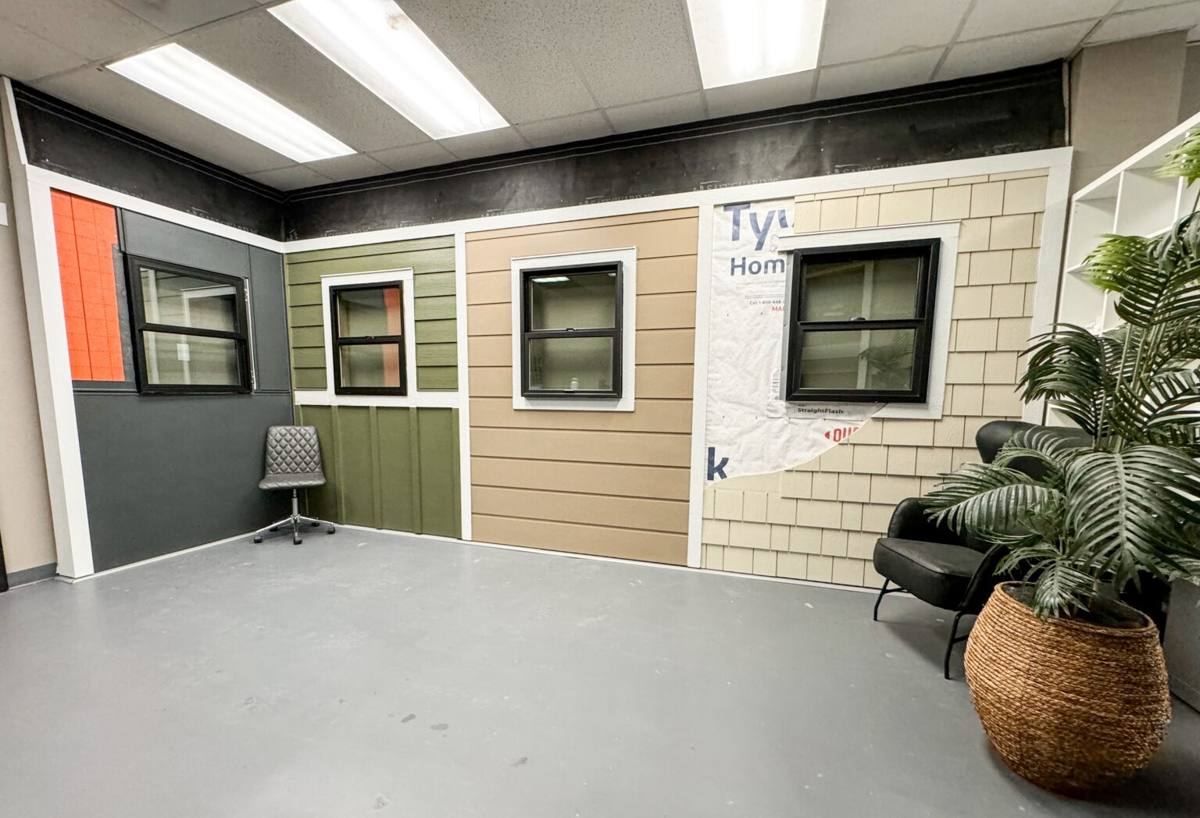
- Product line and profile: James Hardie offers multiple siding profiles (lap, shingle-style, board and batten) and the ColorPlus color selection, which affects material cost.
- Trim and accessory work: Corner boards, window and door trim, and soffit or fascia work bundled into the project.
- Access and site conditions: Landscaping, fencing, or tight lot lines that affect how equipment and materials move around the home.
We don't publish blanket pricing because it genuinely depends on these factors, but we'll walk through all of them on a free estimate visit so there are no surprises once work starts.
Why Hiring a Crew That Already Works in Dunedin Matters
Siding installation isn't just about the product — it's about whether the crew putting it up understands the specific demands of this coastline. A crew that primarily works inland, or that installs several different siding brands depending on the job, isn't building the same muscle memory as one that installs James Hardie on Pinellas County homes week in and week out.
Working locally in and around Dunedin also means we're familiar with the permitting expectations, typical home construction in the area, and how local wind exposure categories affect fastening requirements. That familiarity shows up in fewer surprises during the job and a finished installation that's built for what this specific location will throw at it over the coming decades.
Signs Your Current Siding Is Overdue for Replacement
Homeowners often wait longer than they should to replace failing siding, partly because damage isn't always obvious from the ground. A few signs worth taking seriously:
- Visible warping, buckling, or separation at panel seams
- Soft spots or sponginess when pressed, which can indicate moisture behind the surface
- Persistent staining or streaking that pressure washing doesn't resolve
- Paint or finish that's chalking heavily or peeling in sheets
- Rust stains around fasteners or trim
- Rising energy bills that may point to compromised insulation behind damaged siding
Any of these are worth a professional look before they turn into sheathing or framing damage, which costs significantly more to repair than the siding itself.
Our Process for a Dunedin Siding Installation
Every project follows the same core sequence, adjusted for the specific home:
- On-site assessment: We evaluate the existing siding, sheathing condition, and any moisture or structural issues before quoting the job.
- Product and profile selection: We walk through James Hardie's available profiles and ColorPlus colors so the finished look fits the home and the neighborhood.
- Preparation and removal: Old siding comes off, and sheathing is inspected and repaired as needed before anything new goes up.
- Weather barrier and flashing installation: This step is done to spec before a single piece of siding is hung, since it's the layer that actually keeps water out.
- Siding installation: Panels are installed following James Hardie's fastening and clearance specifications, with coastal-rated hardware throughout.
- Trim, caulking, and final details: All joints and transitions are sealed, and trim work is completed to match.
- Final walkthrough: We review the completed work with the homeowner before considering the job done.
If your Dunedin home is due for new siding, we're happy to walk the property with you and put together a free, no-pressure estimate — no obligation, just a straight assessment of what your home needs.