 Clearwater Siding
 Decking Built for a Waterfront Neighborhood
Island Estates sits differently than most Clearwater neighborhoods. It's a canal-front community surrounded by water on nearly every side, which means homes here take on a level of salt exposure, humidity, and sun that inland Pinellas County properties simply don't deal with. A deck built for a typical suburban backyard in Tampa Bay is not automatically built for a deck twenty feet from brackish water. That distinction matters more than most homeowners realize until their first deck starts failing early.
We work in this neighborhood regularly, and the decks we build or replace here get specified differently than decks we install a few miles inland. Board selection, fastening hardware, substructure treatment, and drainage detailing all shift when a home sits this close to the water. This page walks through what that actually means in practice, not marketing language.
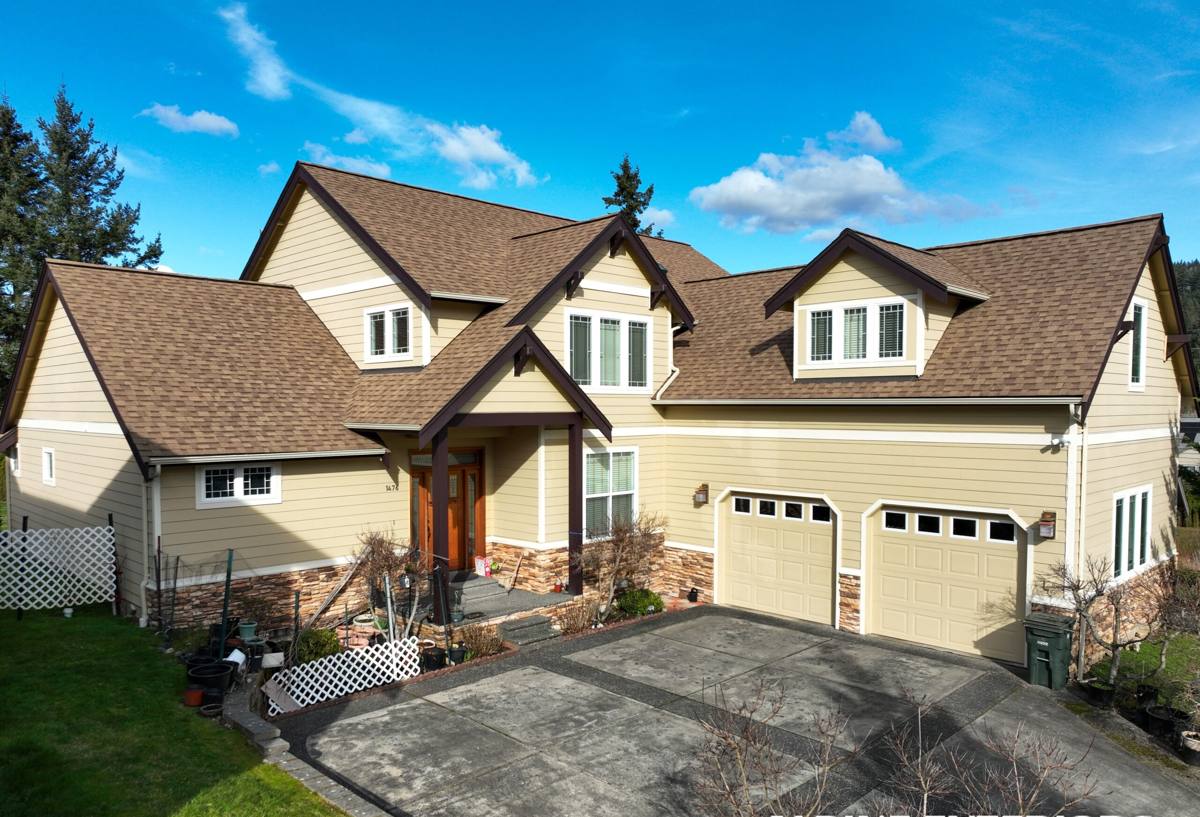
What Island Estates' Climate Does to a Deck
Salt Air and Metal Corrosion
The biggest difference between a waterfront deck and an inland one isn't the wood or composite itself—it's the hardware holding it together. Salt-laden air accelerates corrosion in fasteners, joist hangers, and structural screws far faster than standard atmospheric exposure. A deck that uses coated or standard-grade hardware in this environment can develop hidden corrosion at connection points years before the surface boards show any wear. Since the fasteners are what keep the frame structurally sound, this is not a cosmetic issue—it's a safety one.
UV Load, Nearly Year-Round
Florida sun is intense everywhere in the state, but open, waterfront lots like the ones common in Island Estates often have less tree canopy shading the deck than a wooded inland yard. That means more direct UV hours on the decking surface, which matters for fading, surface chalking, and heat buildup underfoot. Composite boards vary widely in how they handle sustained UV—cheaper caps fade unevenly and can become brittle over years of exposure.
Wind-Driven Rain and Moisture Cycling
Pinellas County gets its share of tropical downpours, and on the water that rain often arrives sideways, driven by onshore wind. Wind-driven rain gets up under railings, behind ledger boards, and into any gap in the substructure that isn't properly flashed. Add near-constant humidity and you get a moisture cycle—wet, dry, wet, dry—that stresses fasteners, promotes rot in unprotected wood framing, and can trap moisture against the underside of decking if drainage isn't planned correctly.
Hurricane-Force Wind Loads
Every deck in this region has to be built with the reality that it may face hurricane-force wind at some point in its service life. That affects more than just whether the boards stay attached—it affects railing post connections, ledger attachment to the house, and how the whole structure sheds wind rather than catching it like a sail. A deck that looks fine on a calm day can reveal design shortcuts the first time it takes a real storm load.
Why Composite Makes Sense Here
We don't tell every homeowner that composite is automatically the right call—it depends on budget, look, and how the deck will be used. But for a waterfront, high-UV, high-salt environment like Island Estates, composite decking solves several problems that wood decking struggles with in this specific setting:
- No annual sanding, staining, or sealing to keep salt air and UV from degrading the wood surface
- Consistent color and cap performance across the deck, rather than boards that weather unevenly based on sun exposure
- No splintering or cupping from repeated wet-dry cycling, which is common with wood in humid waterfront settings
- Better resistance to insect and moisture-driven rot at ground-level framing, when paired with proper substructure protection
- Lower long-term maintenance burden for owners who use the deck seasonally or aren't able to keep up with wood upkeep
The trade-off is upfront cost—composite systems generally cost more than pressure-treated wood at installation. We're upfront about that trade-off rather than glossing over it, because the right choice depends on how long you plan to own the home and how much time you want to spend on upkeep versus enjoying the deck.
What a Correct Installation Looks Like Here
Substructure First
The composite boards get the attention, but the framing underneath is what determines whether the deck lasts. In a waterfront setting, we treat the substructure as the most important part of the job: properly rated fasteners resistant to corrosion, correctly spaced joists to prevent board sag and deflection under foot traffic, and ledger board attachment that's flashed to keep water from working its way into the house rim joist over time.
Hardware Selection
Standard hot-dipped galvanized hardware is often not enough this close to the water. We specify fasteners and structural connectors rated for coastal or high-corrosion environments, which costs more per piece but avoids the slow hidden failure that undersized hardware choices lead to in salt air.
Drainage and Airflow
Composite decking still needs airflow underneath to manage moisture, and proper slope and gapping to shed wind-driven rain rather than trap it. We plan board spacing and substructure ventilation specifically around the wetter, more humid conditions of a canal-front lot rather than using a generic inland layout.
Railing and Post Attachment
Since wind load is a real design factor here, railing posts get attached with hardware and blocking rated for the loads involved—not just enough to pass a casual inspection, but enough to hold up when a real storm pushes on the structure.
How Our Process Works
- On-site assessment. We look at your existing deck or planned deck footprint, note sun exposure, proximity to water, drainage patterns, and any existing corrosion or moisture damage.
- Honest scope conversation. We tell you what's actually needed—sometimes that's a full substructure rebuild, sometimes the existing framing is sound and only the decking surface needs replacing.
- Material selection. We walk through composite board options and hardware grades suited to the exposure your specific lot faces, and give you a straight comparison of cost versus expected service life.
- Permitting. Deck work in Pinellas County typically requires permitting, especially for structural or railing work. We handle that process as part of the job.
- Installation. Substructure work first, then decking, then railings and finish details, with attention to fastener corrosion resistance and drainage throughout.
- Final walkthrough. We go over the finished deck with you, including basic maintenance expectations so you know what to watch for over time.
Composite Decking: Cost and Performance Factors
| Factor | Wood Decking | Composite Decking |
|---|---|---|
| Upfront cost | Lower | Higher |
| Annual maintenance | Sanding, staining, sealing needed regularly | Occasional cleaning only |
| UV fading resistance | Fades and grays without upkeep | Varies by cap quality; generally more stable |
| Salt air / moisture tolerance | Prone to splintering, cupping, rot without upkeep | More resistant when substructure is properly protected |
| Expected service life | Shorter without consistent maintenance | Longer, with lower ongoing labor |
| Look and feel | Natural wood grain, warmer feel | Consistent color, wide style range |
Signs Your Existing Deck Needs Attention
- Rust staining around fastener heads or connector plates
- Soft or spongy spots in decking boards, especially near the house or water side
- Visible gaps or movement where railing posts meet the deck frame
- Standing water or slow drainage after rain instead of water shedding off the surface
- Fading or chalking that's noticeably uneven across the deck surface
- Any framing visible from underneath showing rot, corrosion, or insect damage
If you're seeing any of these on a deck in Island Estates, it's worth having it looked at before the next storm season rather than after.
Why Local Experience with This Neighborhood Matters
A contractor who mainly builds decks inland, away from the water, doesn't always think about corrosion-rated hardware or coastal drainage detailing as a default—because most of their work doesn't require it. Working regularly in Island Estates and similar canal-front parts of Clearwater means we spec differently as a baseline: hardware, fastener choice, and drainage planning are built around this exposure from the start, not added as an afterthought or upsell.
We're also familiar with the practical side of working on these lots—narrow waterfront access, existing dock and seawall considerations, and the general layout patterns common to canal-front homes in this part of Pinellas County. That familiarity keeps the job moving efficiently and avoids surprises mid-project.
Maintenance Once Your Deck Is Installed
Composite decking is genuinely lower-maintenance than wood, but "low-maintenance" doesn't mean "no maintenance," especially this close to the water. A simple periodic rinse to clear salt residue and debris from between boards goes a long way. Keeping drainage gaps clear of leaves and organic buildup prevents moisture from sitting against the substructure. And an occasional visual check of railing connections and any visible hardware after major storms is worth the few minutes it takes.
Get a Straight Answer for Your Property
Every lot in Island Estates faces the water a little differently, and the right deck specification depends on your specific exposure, existing structure, and how you plan to use the space. We're happy to come take a look, walk you through what your deck actually needs, and give you a straightforward, no-pressure estimate—use the form below to get started.