 Clearwater Siding
 Building a Deck That Actually Holds Up in Coachman Ridge
A new deck in Coachman Ridge has to do more than look good on a Saturday afternoon. It has to survive a Pinellas County summer of afternoon thunderstorms, months of intense UV exposure, the occasional tropical system with hurricane-force gusts, and the slow corrosive drip of salt-laden air blowing in off the Gulf. Homes in this part of Clearwater see all of it, and a deck that isn't built with that in mind will show its age fast — cupped boards, rusted fasteners, a wobbly railing, or worse, a ledger connection that's quietly rotting behind the siding.
We build and repair decks for homeowners throughout Coachman Ridge and the surrounding Clearwater neighborhoods, and the approach we use here is different from what you'd spec for a deck in a dry inland climate. Below is what actually matters for a deck in this area, what a correct build looks like from the footings up, and how we run the job from first call to final walkthrough.
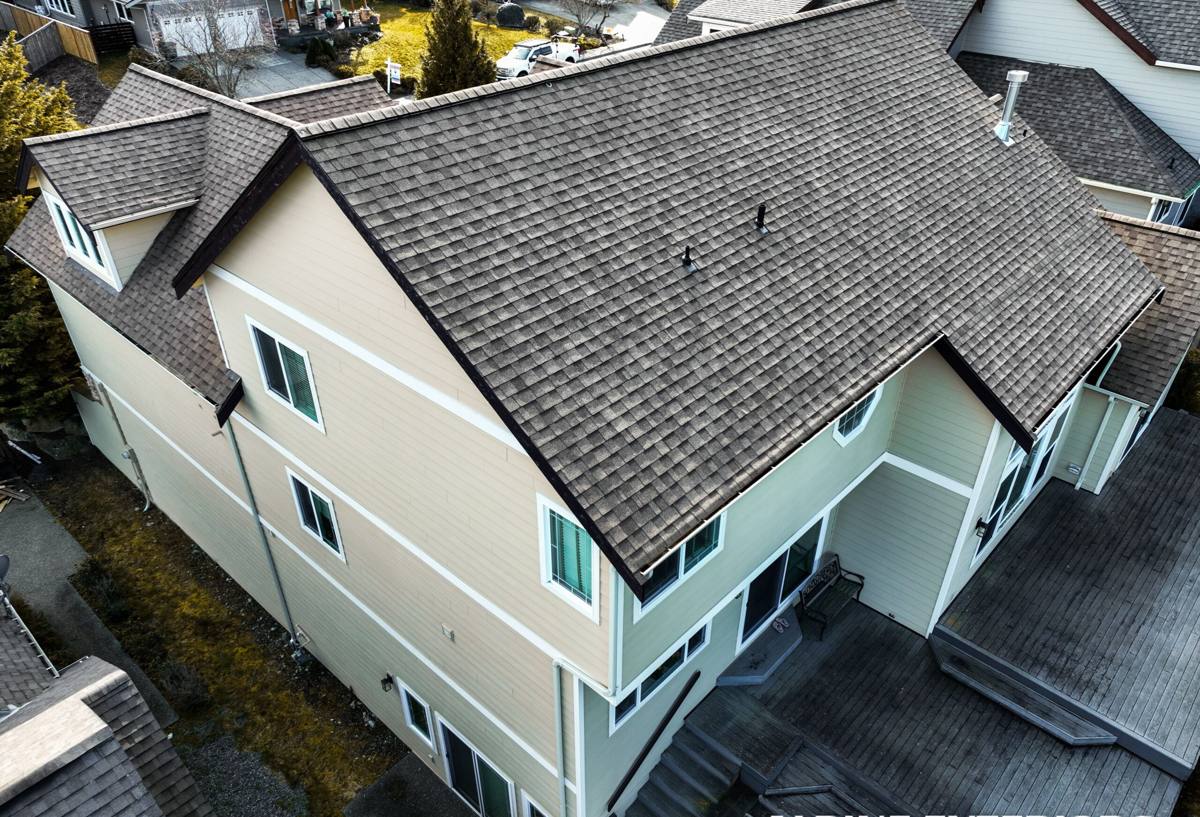
What Coachman Ridge's Climate Demands From a Deck
Wind Load and Structural Attachment
Pinellas County sits in a high wind-speed design zone under the Florida Building Code, and Clearwater's permitting reflects that. A deck isn't just resting on posts — it's engineered to resist uplift and lateral load. That means proper hurricane ties at every joist-to-beam connection, correctly sized and spaced fasteners (not just nails where code calls for structural screws or bolts), and post footings sized for the actual load path, not guesswork. A deck that looks solid in June can still fail at the connections in a storm if those details were skipped.
Moisture at the Ledger Board
The single most common point of failure we find on older decks isn't the decking surface — it's the ledger board, the piece that attaches the deck framing to the house. Wind-driven rain, which is routine here, pushes water sideways and upward, and if the ledger flashing wasn't installed correctly (or is missing entirely), water tracks behind it and rots the rim joist and sheathing out of sight. By the time it shows on the surface, the repair is much bigger than a deck job.
UV and Material Fatigue
Clearwater gets sun exposure year-round, not just in summer. UV breaks down the lignin in wood fibers, which is why untreated or poorly finished wood grays, splinters, and checks faster here than it would farther north. It also degrades lower-grade composite decking, causing fading and, in some cheaper products, surface chalking. Material choice and finish matter more in this climate than in most.
Choosing the Right Decking Material for This Climate
There's no single "best" decking material — every option is a trade-off between upfront cost, maintenance, and how it handles heat, sun, and moisture. Here's how the common choices actually perform in a Coachman Ridge backyard:
| Material | Upfront Cost | Maintenance | How It Handles This Climate |
|---|---|---|---|
| Pressure-treated pine | Lowest | Needs re-sealing every 1-2 years | Affordable and strong, but UV and humidity will gray and warp it faster here without regular sealing |
| Tropical hardwood (e.g., ipe) | High | Periodic oiling to hold color | Naturally dense and rot-resistant; performs very well in heat and moisture, but installation is unforgiving of shortcuts |
| Capped composite | Mid-high | Wash occasionally, no sealing | Resists fading and moisture better than early composite generations; a solid choice for low-maintenance coastal use |
| PVC decking | High | Wash occasionally, no sealing | Fully synthetic, doesn't absorb moisture, holds up well to salt air and sun — best long-term option where budget allows |
We'll walk through these trade-offs honestly based on your budget and how you use the space — a deck that gets shaded morning sun and light foot traffic doesn't need the same spec as one that's in direct afternoon sun all day.
What's Under the Deck Matters More Than What's On Top
The decking boards are the part everyone sees, but the framing underneath is what determines whether the deck lasts fifteen years or thirty. In our climate, we treat these as non-negotiable:
- Stainless steel or hot-dip galvanized fasteners throughout — standard zinc-coated hardware corrodes noticeably faster with salt air in the mix, and a corroded fastener is a structural weak point
- Properly flashed ledger board with a moisture barrier between the ledger and the house, not just caulk
- Joist hangers and structural connectors rated for the load, installed with the manufacturer-specified nails or screws (not whatever's on hand)
- Post footings poured to the depth and diameter the engineering calls for, with post bases that keep wood off standing water
- Proper spacing and blocking so the deck doesn't develop bounce or squeak as it ages
None of this is visible once the decking goes down, which is exactly why it's worth asking a contractor how they handle it before they start.
Permitting and Code in Clearwater and Pinellas County
Most decks attached to a house, and many freestanding ones above a certain height, require a permit in Clearwater. Inspectors are checking footing depth, connector hardware, ledger attachment, and railing/guard specifications against the Florida Building Code's wind and structural requirements. Skipping the permit might save a little time upfront, but it creates real problems later — unpermitted work can complicate a home sale, cause issues with insurance claims after storm damage, and in some cases require the deck to be torn out and rebuilt to code. We handle the permitting and inspections as part of the job, not as an afterthought.
If your section of Coachman Ridge has an HOA with its own design guidelines, we'll also work within those requirements alongside the city process.
How We Build Your Deck
- On-site assessment — we look at your home's ledger attachment point, sun and drainage patterns, and how you intend to use the space, and we take real measurements rather than estimating from photos
- Material and layout consultation — we go over decking options, railing style, and layout, with honest pros and cons for your budget and maintenance preference
- Permitting — we prepare and submit the permit package and schedule required inspections
- Demolition and site prep (if replacing an existing deck) — including a check for hidden ledger or framing damage before we build over it
- Framing — footings, posts, beams, joists, hurricane ties, and ledger flashing, built to the engineered spec
- Decking, railing, and stairs — installed to manufacturer spec for whichever material you've chosen
- Final inspection and walkthrough — we confirm the deck passes inspection and walk you through care and maintenance before we call the job done
Railings, Stairs, and the Details That Get Overlooked
Guard height, baluster spacing, and stair rise/run are all dictated by code, but they're also what make a deck feel safe and finished day to day. We pay attention to baluster spacing that keeps small children and pets from squeezing through, handrail graspability on stairs, and post connections that won't loosen over time from repeated flexing in wind. On a coastal deck, we also think about how railing material handles salt air — aluminum and vinyl railing systems generally hold up with less upkeep than uncoated metal balusters, which can streak and rust.
Keeping Your Deck in Shape After We Build It
Even a well-built deck needs some ongoing attention in this climate. A short seasonal routine goes a long way:
- Rinse the deck surface periodically to clear pollen, salt residue, and organic buildup that can lead to mildew
- Check fastener heads and railing connections once or twice a year for looseness or corrosion
- Re-seal or re-stain wood decking on the schedule the product calls for — don't wait until it's visibly gray
- Clear leaves and debris from between boards and around post bases so moisture doesn't sit trapped
- After any major storm, do a quick visual check of railings and stair connections before heavy use resumes
Composite and PVC decking cut down on most of this, but nothing in this climate is entirely maintenance-free.
Why Hire a Crew That Already Works in Coachman Ridge
A deck contractor who works regularly in this part of Clearwater already knows what Pinellas County inspectors look for, already stocks the corrosion-resistant hardware this climate requires, and isn't learning wind-load detailing for the first time on your project. That familiarity shows up in fewer surprises during permitting, fewer callbacks for loose connections down the road, and a deck that's actually specced for the weather it's going to face rather than a generic build pulled from a national template. It's the difference between a deck that needs attention in three years and one that's still solid in twenty.
If you're planning a new deck or need an honest look at an existing one, we're glad to come take a look. Fill out the form below for a free, no-pressure estimate — we'll walk the site, answer your questions, and give you a straight assessment of what your project actually needs.