 Clearwater Siding
 Why Clearwater Beach Roofs Wear Out Faster Than Inland Roofs
A roof on Clearwater Beach does not live the same life as a roof ten miles inland. It sits within a few blocks of the Gulf, which means salt-laden air is constantly settling on every exposed surface — fasteners, flashing, vents, and the granules on top of the shingles themselves. Add near-constant UV exposure, afternoon storms that roll in through most of the summer, and the real possibility of hurricane-force wind gusts, and you have a roof system that is working harder than almost anywhere else in the state.
None of this means a roof on Clearwater Beach is doomed to fail early. It means the roof has to be specified and installed with that environment in mind from the start — the right materials, the right fastening, and the right flashing details, not just "a roof" dropped on top of the house. That is the difference between a roof that needs attention again in eight years and one that goes the distance.
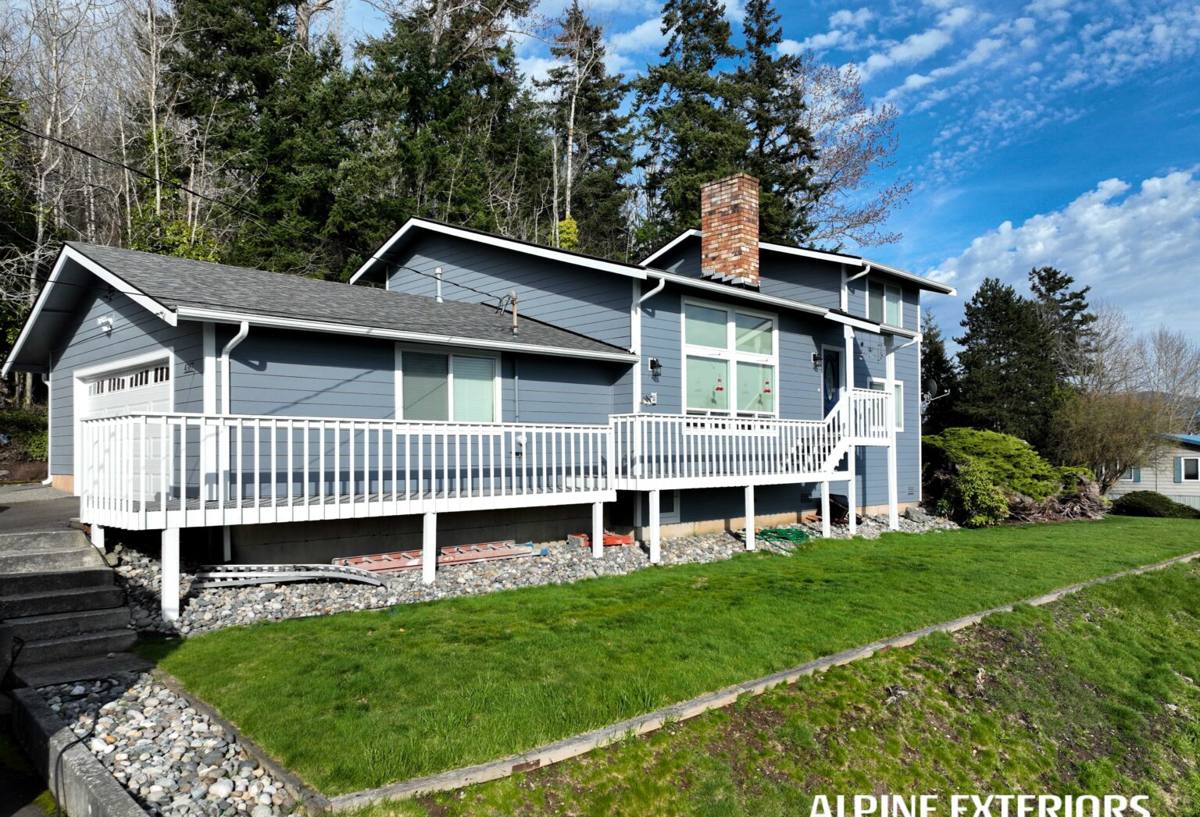
Signs a Clearwater Beach Roof Needs Replacing, Not Patching
Not every roof problem calls for a full tear-off. But on a barrier island or near-coastal property, small issues tend to compound quickly because salt air accelerates corrosion and UV breaks down asphalt and sealants faster than it does further inland. Watch for:
- Granule loss showing up in gutters or at downspout outlets, especially after a summer storm
- Shingles that are curling, cupping, or losing their tab lines when viewed from the ground
- Rust streaking below metal flashing, vent boots, or exposed fasteners
- Soft spots, sagging, or visible daylight in the attic around the roof deck
- Repeated leaks in the same area even after prior repairs
- A roof that is at or past the manufacturer's expected service life for a coastal, high-UV climate — often shorter than the "20-year" number printed on the shingle wrapper
If you're seeing two or more of these, it's usually more cost-effective to plan a full replacement than to keep patching a roof that's telling you it's done.
What a Correct New Roof Installation Actually Involves
A lot of what determines whether a new roof performs well in a coastal environment happens before the first shingle or panel ever goes down. Here's what a proper installation covers.
Tear-Off and Deck Inspection
We remove the old roofing down to the deck rather than layering over it. That lets us actually see the plywood or OSB underneath — soft, delaminated, or water-stained sections get replaced before anything new goes on top. Roofing over a compromised deck just hides the problem and shortens the life of the new roof.
Underlayment and Secondary Water Barrier
Given how much wind-driven rain a Clearwater Beach property can see during a tropical system, the underlayment layer matters as much as the roof covering itself. A synthetic or self-adhering underlayment, properly lapped and sealed at penetrations, is what keeps the house dry if wind ever drives rain up under the shingles or if a shingle is lost in a storm.
Flashing at Every Transition
Valleys, chimneys, skylights, sidewalls, and roof-to-wall transitions are where most leaks actually start — not in the open field of the roof. Flashing at these points needs to be replaced (not reused) and correctly lapped so water sheds outward at every layer, every time.
Ventilation
Florida attics run hot, and poor ventilation shortens the life of both the roof deck and the shingles above it by trapping heat and moisture. A balanced intake-and-exhaust system helps the roof assembly perform the way it's designed to, and it takes pressure off your cooling costs in the process.
Roofing Materials for a Coastal Clearwater Beach Property
There's no single "best" roofing material for every home — it depends on your budget, your home's structure, and how much maintenance you want to take on. Here's an honest comparison of the options we install most often on near-coastal Pinellas County homes.
| Material | Coastal Durability | Maintenance | Typical Trade-Offs |
|---|---|---|---|
| Architectural asphalt shingles | Good, with high-wind-rated products and proper fastening | Low to moderate | Most economical upfront; shorter service life than metal or tile in salt air |
| Standing seam metal | Very good; sheds wind-driven rain well and resists uplift when properly installed | Low | Higher upfront cost; requires correct fastener and coating specification to resist corrosion |
| Concrete or clay tile | Very good for the tile itself; longevity depends on the underlayment beneath it | Moderate | Heavier — needs the structure to support it; underlayment failure can go unnoticed longer |
| Flat/low-slope membrane (for additions or porches) | Good when properly detailed at seams and edges | Moderate; periodic inspection recommended | Not a primary steep-slope option; used for specific roof sections |
Whatever material a homeowner chooses, we spec fasteners and flashing metals rated for coastal exposure — standard galvanized hardware corrodes noticeably faster this close to the Gulf than it does even a few miles inland.
Wind Resistance and Building Code on the Coast
Because Clearwater Beach sits inside Florida's wind-borne debris region, roofing work here falls under stricter Florida Building Code wind provisions than construction further inland. That affects several things: the wind rating of the roofing material itself, the nailing or fastening pattern used to install it, and how flashing and edge metal are secured. It also means permits and inspections aren't optional paperwork — they're a real check that the roof was actually built to hold up in a named storm, not just to look right on installation day.
Many Pinellas County homeowners also get a wind mitigation inspection done after a roof replacement. It documents features like the roof shape, the deck attachment method, and the roof covering's wind rating — and it can qualify the home for a lower windstorm insurance premium. We build roofs that are meant to pass that inspection, not just the minimum code requirement.
Our Process, Start to Finish
- On-site evaluation. We walk the roof and the attic, not just look at it from the driveway, and document deck condition, ventilation, and any problem areas.
- Written estimate. You get a clear scope of work and pricing before anything is scheduled — no vague allowances that turn into surprise costs later.
- Permitting. We pull the required permit and make sure the installation meets current Florida Building Code wind provisions for this location.
- Tear-off and deck repair. Old roofing comes off, the deck is inspected, and any damaged sections are replaced before we move forward.
- Underlayment, flashing, and roof covering installation. Installed in the sequence and fastening pattern the manufacturer and code require — not shortcuts to save a day of labor.
- Cleanup and magnetic nail sweep. The property is cleared of debris and swept for stray fasteners before we consider the job done.
- Final inspection. The permitted work is signed off, and you get documentation for your records and your insurer.
Why Hiring a Crew That Already Works Clearwater Beach Matters
Roofing crews that work Clearwater Beach regularly already know the details that a crew coming from further inland might not think twice about — using coastal-rated fasteners as standard practice instead of an upcharge, understanding how the local permitting office reviews wind-rated roofing plans, and knowing which flashing details actually hold up against salt air over years, not just at the final walkthrough. That familiarity shows up in fewer callbacks and a roof that performs the way it was supposed to when the next storm rolls through.
It also matters for something more practical: access and logistics. Beach-area properties often have tighter lot access, HOA or condo association requirements, and parking constraints that a crew unfamiliar with the area can turn into wasted time on your job.
Questions Worth Asking Any Roofing Contractor Here
- Are you licensed to perform roofing work in Florida, and can you provide proof of general liability and workers' compensation insurance?
- Will you pull the permit yourself, and who handles the final inspection?
- What wind rating and fastening pattern will be used for my specific roof covering?
- How is decking damage handled if it's found during tear-off — is it a separate cost, and how is it priced?
- What does the workmanship warranty cover, separate from the manufacturer's material warranty?
After Installation: Keeping a Coastal Roof Performing
A well-installed roof still benefits from basic upkeep in a salt-air environment. A short annual routine goes a long way:
- Rinse accumulated salt residue off the roof surface and gutters periodically, especially after long dry stretches
- Keep gutters and downspouts clear so water isn't backing up under the roof edge
- Trim back overhanging branches that hold moisture against the roof surface or drop debris
- Have the roof visually checked after any major named storm, even if you don't see obvious damage from the ground
- Watch for granule buildup in gutters as an early sign of shingle wear
What Affects the Cost of a New Roof Here
Every roof is priced based on the specific home, but the main cost drivers on a Clearwater Beach property are fairly consistent:
| Cost Factor | Why It Matters |
|---|---|
| Roof size and pitch | More surface area and steeper slopes mean more material and labor time |
| Material choice | Asphalt, metal, and tile carry different material and labor costs |
| Deck condition | Rotted or delaminated decking found during tear-off adds repair cost |
| Number of penetrations | Chimneys, skylights, and vents each require additional flashing work |
| Wind rating and fastening requirements | Coastal wind-borne debris region code compliance can require higher-rated materials and denser fastening |
| Access and site conditions | Tight beach-lot access or multi-story homes can add labor and equipment time |
We'd rather walk a homeowner through these factors honestly during the estimate than quote a number that doesn't hold up once we're on the roof.
If your roof is showing its age or you're planning ahead of the next storm season, we're happy to take a look and give you a straightforward, no-pressure estimate — just fill out the form below.