 Clearwater Siding
 Siding Installation Built for Belleair Bluffs' Coastline
Belleair Bluffs sits along Clearwater Harbor in Pinellas County, and that waterfront position comes with a specific set of demands on a home's exterior. Salt-laden air moves off the harbor and the Gulf year-round, intense Florida UV bears down on siding for eight to ten hours a day, and every summer brings the risk of tropical storm or hurricane-force wind loads, often paired with wind-driven rain that gets pushed sideways into wall assemblies rather than falling straight down. Siding here isn't just a cosmetic layer. It's the first line of defense between that environment and the wood framing, sheathing, and insulation behind it.
A siding installation that's correct for an inland home in a drier climate can fall short here. Fastener choice, flashing details, and even the gap left at the bottom of a wall all matter more in Belleair Bluffs than they would somewhere without a harbor thirty seconds away. This page covers what a correct installation looks like for this specific area, how our process works, and why using a crew that already works this part of Clearwater matters.
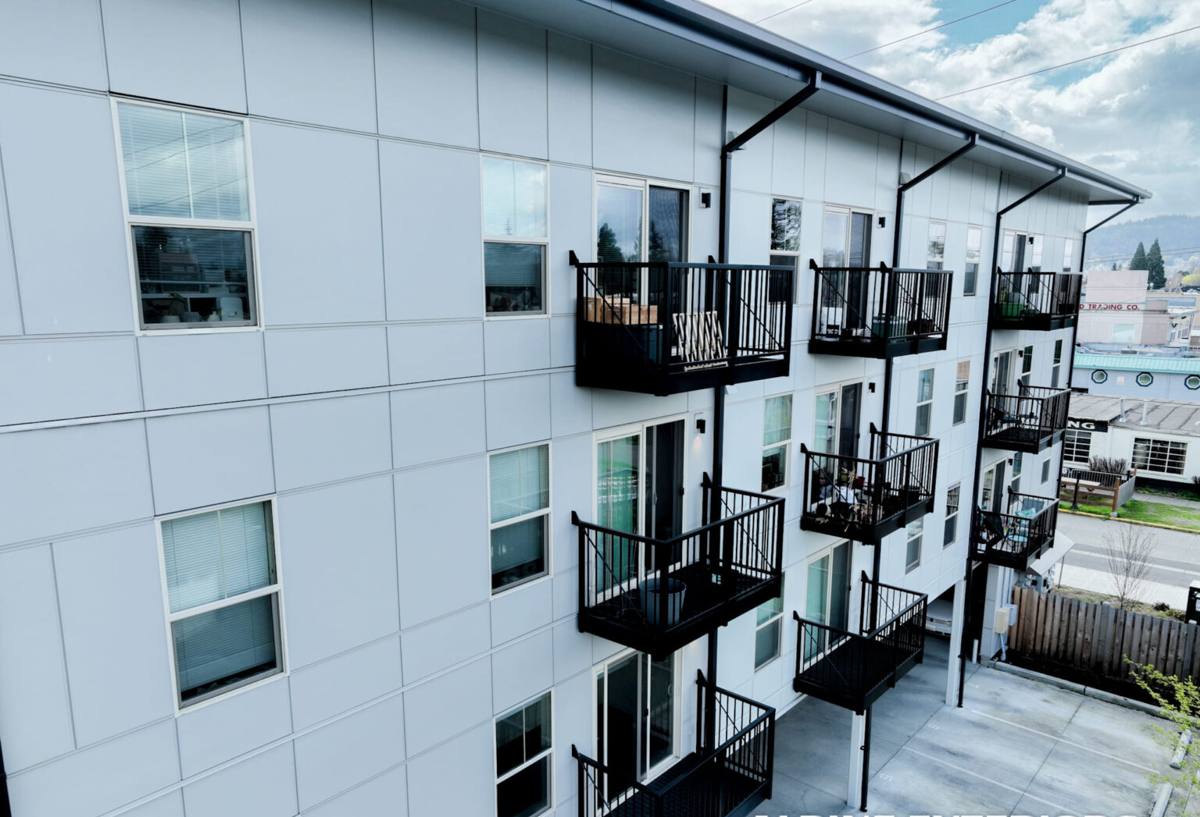
What Local Homes Are Actually Fighting
Salt Air and Corrosion
Airborne salt accelerates corrosion on anything metal — fasteners, flashing, trim screws — and it degrades paint films faster than it would inland. Siding materials and finishes that aren't engineered to resist this break down visibly within a few years: chalking, fading, and soft or swelling edges show up earlier on a harbor-adjacent home than on one twenty miles inland.
UV Exposure
Florida's UV index runs high most of the year. Painted or coated surfaces without a factory-baked finish tend to fade unevenly, especially on south- and west-facing walls, which is often the first sign an exterior is aging out of its finish.
Wind-Driven Rain and Hurricane Gusts
Pinellas County sits squarely in a hurricane-prone zone, and Belleair Bluffs' proximity to open water means wind speeds can arrive with less obstruction than in more inland, tree-shielded neighborhoods. Wind doesn't just test how well siding is fastened — it drives rain horizontally and even upward under laps and around openings, which is why flashing and water-management details behind the siding matter as much as the siding itself.
What a Correct Installation Actually Involves
Siding installation is often treated as a cosmetic job — pick a color, nail up panels, done. In a coastal wind and rain environment, that approach is how homeowners end up with rot, mold, or blown-off siding after the first real storm. A correct installation is a water-management system first and a finish second.
Weather-Resistive Barrier and Flashing
Before any siding goes up, the wall needs a properly lapped weather-resistive barrier and correctly integrated flashing at every window, door, and penetration. Flashing has to shed water down and out, never trap it behind the cladding. This layer is invisible once the job is finished, but it's the layer that actually keeps water out of the wall assembly during a wind-driven rain event.
Fastening for Wind Load
Fastener type, spacing, and embedment depth are engineered to the product manufacturer's specifications and need to account for local wind-load requirements under Florida Building Code. Under-fastening or using the wrong fastener is one of the most common reasons siding fails in high wind — not because the material itself was weak, but because it wasn't held on correctly.
Clearances That Prevent Rot
Siding installed too close to grade, roofing, decks, or hardscaping wicks moisture and stays wet longer than it should. Manufacturer-specified clearances (typically several inches above grade, roofing, and other horizontal surfaces) aren't a suggestion — skipping them is one of the fastest ways to void a warranty and invite rot at the bottom edge of a wall.
Why We Install Only James Hardie Fiber Cement
We standardized on James Hardie fiber cement siding and don't install vinyl, LP SmartSide, or other fiber cement alternatives. That's a deliberate call based on how these products perform in exactly the conditions Belleair Bluffs deals with:
- Fiber cement is non-combustible, which matters in a state where wildfire risk and insurance underwriting both factor into coverage and premiums.
- James Hardie's HZ product lines are engineered for specific climate zones, including HZ5 formulations built for high-moisture, high-humidity Gulf Coast conditions rather than a one-size-fits-all product.
- ColorPlus Technology bakes the finish on at the factory in a controlled process, which holds color and resists fading and chipping far better than field-applied paint exposed to Florida UV.
- James Hardie backs its products with a strong transferable limited warranty, which matters if you sell the home while the siding is still relatively new.
We're not going to tell you vinyl or engineered wood siding is garbage — plenty of it is installed successfully around the country. But for a harbor-adjacent home in Pinellas County, we've made the professional judgment that fiber cement's moisture resistance, wind performance, and finish durability outweigh the lower upfront cost of the alternatives. It's the product we're willing to put our name behind here.
Our Process for Belleair Bluffs Projects
Assessment and Measurement
We start with a walk-around of the home to check the current siding's condition, look for soft spots or existing moisture damage, and measure the exterior for an accurate material takeoff. This is also when we flag any trim, fascia, or soffit work that should happen alongside the siding rather than after it.
Tear-Off and Substrate Check
Once the old siding comes off, we inspect the sheathing underneath. This is the point where hidden problems — water staining, soft wood, prior flashing mistakes — actually surface. Any damaged substrate gets addressed before a single new panel goes up, because installing new siding over a compromised wall just hides the problem for a few more years.
Installation and Finish Details
Weather-resistive barrier, flashing, fastening, and clearances are handled to James Hardie's specifications and Florida Building Code wind requirements for this area. Trim, corners, and joints are detailed to shed water rather than collect it.
Final Walkthrough
We walk the finished job with the homeowner, cover care and maintenance basics, and make sure everything matches what was scoped at the start.
Signs Your Belleair Bluffs Home May Need New Siding
Coastal wear doesn't always announce itself. A quick self-check from the ground can catch problems before they become structural:
- Warping, buckling, or panels that look wavy rather than flat
- Soft spots when you press on the siding, especially near the bottom edge
- Paint or finish that's peeling, chalking heavily, or fading unevenly wall to wall
- Visible gaps or separation at trim, corners, or window and door edges
- Cracking or chipping, particularly after storm season
- A noticeable jump in cooling costs, which can point to compromised insulation behind failing siding
- Mold, mildew, or dark staining that keeps returning after cleaning
What Affects the Cost of a Siding Installation
Every home is different, and we won't quote a number without seeing the property, but these are the factors that typically move a siding installation estimate up or down:
| Factor | Why It Matters |
|---|---|
| Total square footage of siding | The largest single driver of material and labor cost |
| Number of stories | Multi-story homes require more scaffolding, lift equipment, and labor time |
| Trim and architectural detail | Dormers, gables, and decorative trim add cutting, fitting, and finish time |
| Condition of the substrate | Rotted sheathing found during tear-off requires repair before new siding goes on |
| Removal and disposal of old siding | Tear-off and haul-away labor varies by what's currently on the home |
| Siding profile and color selection | Certain HZ profiles and ColorPlus finishes carry different material costs |
Why a Local Clearwater Crew Matters Here
A crew that already works Belleair Bluffs and the surrounding Clearwater area knows what's under most of the local siding before tear-off even starts, understands how the harbor's salt air and wind exposure differ from an inland job across the county, and is familiar with the wind-load and flashing details Pinellas County inspectors expect to see. That local knowledge translates into fewer surprises mid-project and an installation that's built for the conditions this specific stretch of coastline actually produces — not a generic install pulled from a national playbook.
Working locally also means we're accountable locally. If a question comes up after the job is done, we're not a crew that drove in from out of the area and moved on.
After Installation: Keeping It Performing
James Hardie siding is low-maintenance, not zero-maintenance. A rinse with a garden hose once or twice a year removes salt residue and airborne grime before it builds up. Keep an eye on caulking at trim and penetrations, since caulk is the one component that ages faster than the siding itself and needs periodic touch-up. Trim back vegetation and irrigation spray that keeps siding wet longer than it should be, and after any major storm, a quick visual check for cracked panels or lifted trim catches small issues before they become bigger ones.
If your Belleair Bluffs home's siding is showing its age, or you're planning ahead of the next storm season, we'll come take a look and give you a straightforward, no-pressure estimate. Use the form below to get started.