 Clearwater Siding
 New-Construction Windows in Belleair Bluffs: A Different Job Than Replacement
Belleair Bluffs sits on one of the few genuinely elevated pieces of ground along this stretch of Pinellas County, overlooking Clearwater Harbor and the Intracoastal. That height and water exposure are part of what makes the area desirable — and part of what makes window installation here a more demanding job than it looks. When we talk about "new-construction windows," we mean windows installed into open stud framing before exterior finishes go on: new custom homes, additions, and full teardown-rebuilds where the old structure comes down to the slab. That's a fundamentally different install than swapping windows into an existing opening in a home that's already finished and occupied.
New-construction windows use a nailing fin (also called a flange) that fastens directly to the sheathing and gets integrated into the house wrap and flashing system before siding or stucco goes on. Done correctly, this is the single most weathertight way to install a window. Done poorly — wrong flashing sequence, gaps in the fin fastening, sealant used as a substitute for proper flashing — it's also one of the most common sources of hidden water intrusion in new Florida construction, because the mistake gets buried behind the wall finish and doesn't show up until there's already damage.
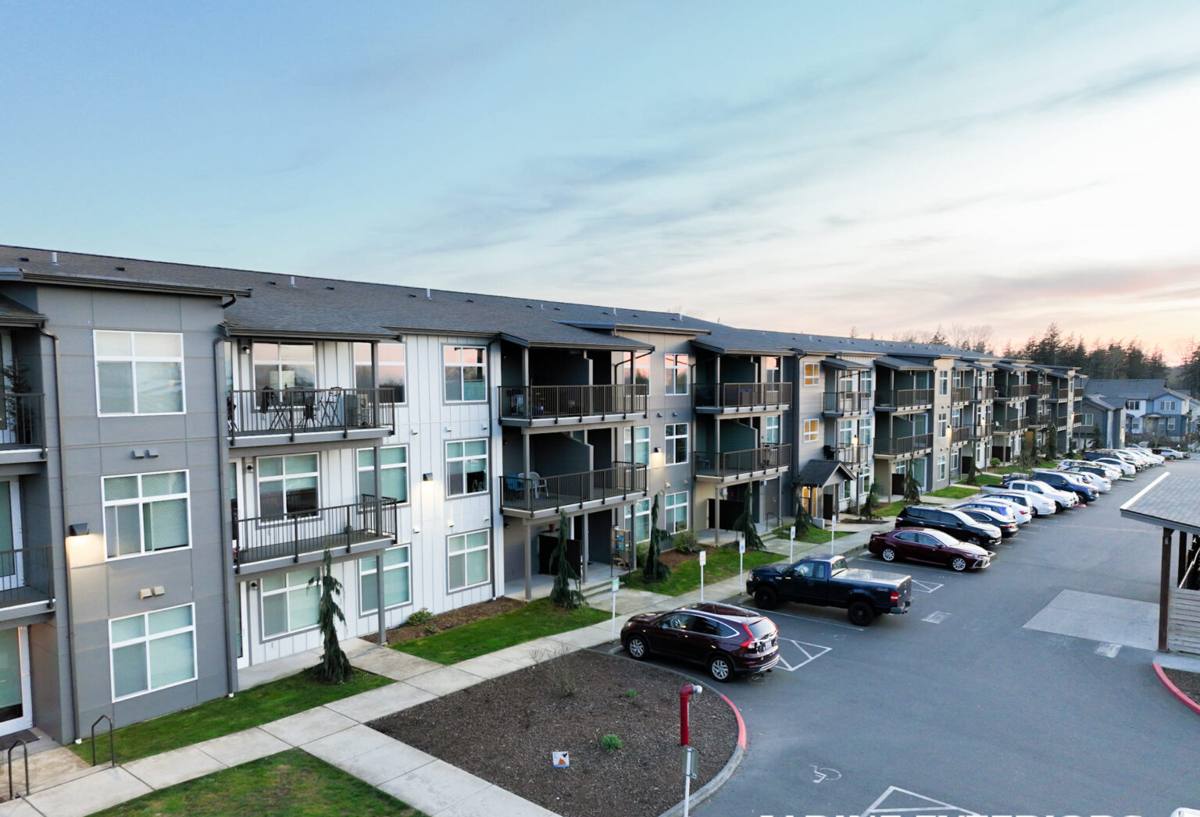
Why Belleair Bluffs' Climate and Location Push Windows Harder
Every coastal Pinellas County home deals with hurricane-force wind risk, wind-driven rain, intense year-round UV, and salt air. Belleair Bluffs gets a concentrated version of all four. The elevation that gives many properties a water view also means less tree cover and terrain to block wind, so the exposure category an engineer assigns your project can end up higher than it would for a similarly sized lot a mile inland. Higher exposure means higher design pressure requirements on the windows themselves — the glass and frame have to resist more force before they're allowed to go in.
The proximity to the harbor also means salt-laden air reaches window hardware, fasteners, and frame finishes more consistently than it would further from the water. Cheap or mismatched hardware corrodes faster here, hinges bind, and anodized or powder-coated finishes chalk out sooner if they weren't rated for a marine environment to begin with. None of this is exotic — it's just the ordinary cost of building this close to Clearwater Harbor, and it's factored into every product and installation decision we make on a Belleair Bluffs job.
The Four Forces at Work
- Wind: straight-line gusts and hurricane-force loads that test both the glass and how the frame is anchored to the structure
- Wind-driven rain: water pushed sideways and upward under pressure, which defeats any flashing detail that only manages gravity drainage
- UV exposure: year-round sun that degrades unstabilized vinyl, cheap seals, and low-grade sealants faster than in most of the country
- Salt air: accelerated corrosion of hardware, fasteners, and unprotected metal components near the water
What Florida Building Code Requires for New Windows Here
Pinellas County enforces the Florida Building Code, and new construction anywhere in the county falls inside the wind-borne debris region — meaning new windows either need to be impact-rated (laminated glass that resists debris impact and stays intact) or paired with code-approved storm shutters or panels. Builders and homeowners have both options; the trade-off is upfront cost and appearance versus the ongoing task of deploying and storing shutter systems before every storm.
Beyond impact resistance, every new-construction window has to carry a design pressure (DP) rating that meets or exceeds what the project's engineer calculates for that specific site — factoring in the building's height, its exposure category, and its distance from the coast. That number is not a generic "coastal Florida" figure; it's calculated per project, and a window that's rated fine for a one-story inland home may not meet code for a two-story home on an elevated Belleair Bluffs lot. Energy code compliance (U-factor and solar heat gain coefficient limits) and egress requirements for bedroom windows apply on top of all of that. All of it gets checked against the approved plans at inspection, and a window installed without a current Florida product approval (NOA or equivalent) on file will not pass.
What a Correct Installation Actually Involves
The window itself is only part of the job. The installation sequence is what determines whether the opening actually stays dry for the next twenty or thirty years.
- Sill pan flashing installed before the window ever goes into the opening, so any water that does get past the window has somewhere to drain instead of pooling on the sill
- House wrap or building paper integrated with the flashing in the correct shingle-lap order — each layer overlapping the one below it, never the reverse
- Nailing fin fastened at the manufacturer's specified spacing on all four sides, not just the corners
- Correct fastener type and length for the substrate — wood-frame sheathing and masonry block/buck construction call for different anchoring
- Sealant used to back up the flashing, never used as a substitute for it
- Shimming and squaring checked before final fastening, since an out-of-square frame stresses the glass and can cause the sash to bind for the life of the window
- Buck installation and anchoring verified separately for masonry or block openings, since new-construction windows on CBS structures anchor differently than on wood frame
Skipping or rushing any one of these doesn't usually cause a visible problem on installation day. It shows up two or three years later as a stain on the interior sill, soft framing, or a musty smell in a closet on the other side of the wall — after the wind-driven rain from a few tropical storms has had time to find the gap.
Choosing the Right Frame and Glass for This Location
Frame material matters more here than in a drier, calmer climate. The table below reflects the trade-offs we actually see on Belleair Bluffs and nearby harbor-side projects.
| Frame Material | Salt Air / UV Behavior | Typical Trade-Offs |
|---|---|---|
| Vinyl (UV-stabilized) | Good corrosion resistance; quality varies a lot by manufacturer | Lower cost; can discolor or become brittle over time if not properly stabilized for intense sun |
| Aluminum | Strong once properly coated; raw or poorly finished aluminum corrodes near salt air | Slim sightlines and high strength; finish quality and thermal break matter a great deal here |
| Fiberglass | Very stable in heat, UV, and salt exposure; minimal expansion/contraction | Higher material cost; excellent long-term option for exposed, harbor-facing elevations |
Glass package matters just as much as frame material. Impact-rated laminated glass with a low-E coating handles both the structural demand of the wind-borne debris region and the daily UV and heat load, cutting down on both storm risk and cooling costs. We size and spec glass per opening and per elevation, since a window facing open water toward the harbor is doing more work than one tucked on a sheltered side of the house.
Our Process on a Belleair Bluffs New-Construction Job
Whether we're working directly with a homeowner building new or coordinating with a general contractor on a rebuild, the sequence stays consistent:
- Review the architectural plans and window schedule, confirming sizes, egress requirements, and DP ratings match what the project's engineering calls for at this specific site and exposure category
- Select product lines that carry current Florida product approval for the required wind zone, in the frame material and glass package that fits the home's design and budget
- Pull or verify permits and confirm inspection milestones with the local building department before any window goes in
- Install flashing, house wrap integration, and windows in the correct sequence, with fastening and shimming checked at every opening
- Stand by for the rough and final inspections tied to the window install, addressing anything the inspector flags before it becomes a bigger issue later in the build
- Walk the finished openings with the homeowner or GC, confirming operation, locking hardware, and screens before we consider the job closed
Why Local Experience in Belleair Bluffs Matters
A crew that's worked new construction elsewhere in Florida can generally install a window correctly. A crew that's actually worked Belleair Bluffs and the surrounding Clearwater area knows the specific exposure and wind-zone calculations that tend to apply to elevated, harbor-facing lots here, has a working relationship with the local building department and knows what they look for at inspection, and has already seen how salt air and sun treat different hardware and finishes over a few years — not just on install day. That experience shows up in fewer callbacks, fewer failed inspections, and windows that are still operating smoothly a decade in, instead of just looking good on move-in day.
Before You Sign Off: A Homeowner's Checklist
- Confirm the DP rating on your window order matches the engineered requirement for your specific lot, not a generic "coastal" number
- Confirm whether you're going impact glass, shutters, or a mix, and understand the maintenance either choice requires
- Ask to see the flashing and sill pan detail before the window is set, not just the finished exterior after siding or stucco covers it
- Verify the product carries current Florida product approval documentation for your permit file
- Ask what hardware finish is specified and whether it's rated for coastal/salt-air exposure
- Confirm egress sizing on any bedroom window before it's installed, not after drywall goes up
If you're planning new construction, an addition, or a full rebuild in Belleair Bluffs or the surrounding Clearwater area, we're happy to look at your plans and talk through what the site actually calls for. Reach out for a free, no-pressure estimate using the form below.