 Clearwater Siding
 Asphalt Shingle Roofing Built for Belleair Bluffs, Not Just Installed There
Belleair Bluffs sits in a tight strip of Pinellas County between Clearwater Harbor and the Gulf, which means almost every roof in the community deals with the same combination of stresses: salt-laden air moving in off the water, long stretches of direct summer sun, sudden wind-driven downpours, and the real possibility of a tropical system pushing through at some point during hurricane season. A shingle roof that would hold up fine in a drier, calmer inland climate can wear out years early here if it wasn't installed with these conditions specifically in mind. That's the difference between a roof that's simply nailed down correctly and one that's actually built for this address.
This page covers what asphalt shingle roofing needs to hold up in Belleair Bluffs, what a correct installation actually involves, and how we approach the work when we're on your roof.
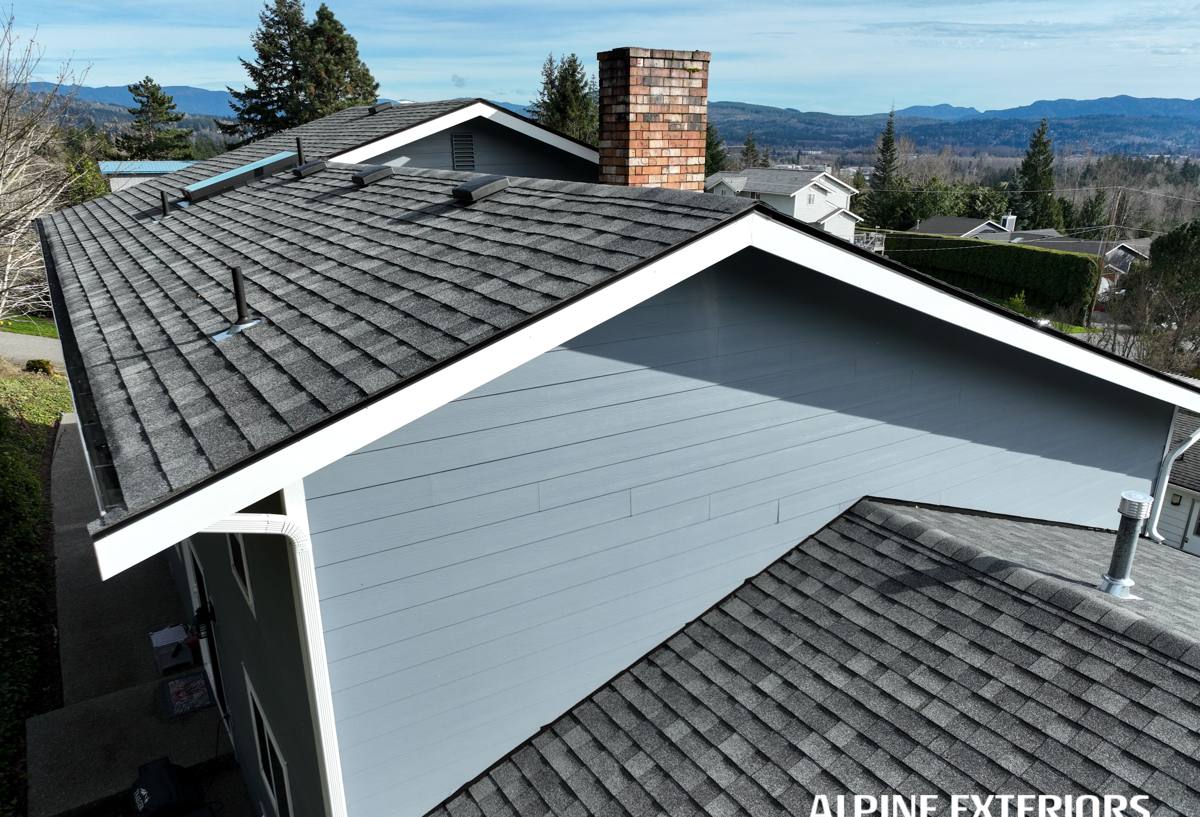
What This Climate Does to a Shingle Roof Over Time
Wind Uplift and Storm Exposure
Belleair Bluffs' elevation and proximity to open water mean wind speeds during storms can run higher here than in more sheltered parts of the county. Asphalt shingles fail in wind almost exclusively at the edges first — the perimeter of the roof, the rakes, and the ridge — because that's where uplift pressure concentrates. A roof that loses a handful of shingles in a storm usually didn't fail because the shingle itself was bad; it failed because the starter course, nailing pattern, or edge metal wasn't done to a standard that accounts for local wind exposure.
UV Exposure and Granule Loss
Central Florida gets sun nearly year-round, and that constant UV load slowly bakes the asphalt in a shingle, drying out the oils that keep it flexible and accelerating granule loss. Granules are what protect the asphalt mat underneath from UV in the first place, so once a roof starts shedding granules in noticeable amounts (you'll often see them collecting in gutters or downspout splash areas), the aging process underneath speeds up. This is a slow, cumulative process — it's not something a storm causes, it's something the sun causes every single day the roof is up there.
Wind-Driven Rain and Salt Air
Rain that comes in sideways during a squall or tropical system doesn't behave like normal rainfall — it gets pushed up and under shingle edges, into exposed nail heads, and along flashing seams that would never see water in a calm rain event. Add in the fact that homes near Clearwater Harbor and the Gulf get a steady dose of airborne salt, which is mildly corrosive to exposed fasteners, drip edge, and flashing metal over time, and you end up with a roof that needs tighter water-shedding details and better corrosion resistance on every metal component than a roof built somewhere inland.
What a Correctly Installed Shingle Roof Actually Includes
A shingle roof is a system, not a single product. Skipping or shortcutting any one layer undermines the whole thing, no matter how good the shingle itself is.
- Sound, dry roof decking — any soft or delaminated plywood gets replaced before anything goes back down, not covered up
- A synthetic or self-adhering underlayment rated for the exposure, especially at eaves and valleys where wind-driven rain concentrates
- Proper starter strip along all edges — this is the single most common shortcut we see on wind-related failures
- A nailing pattern that matches the shingle manufacturer's high-wind specification, not just the minimum building code default
- New flashing at every roof-to-wall transition, chimney, skylight, and vent penetration — old flashing does not get reused
- Balanced attic ventilation so heat and moisture can escape, which protects both the shingles from below and the decking from trapped humidity
- Ridge cap installed to the same wind-rated standard as the field shingles
Underlayment and Fastening Choices Matter More Here
Two roofs can use the identical shingle product and still perform very differently in a storm because of what's underneath and how it's fastened. In a coastal wind zone like this one, we lean toward synthetic underlayment over older felt products for its tear resistance during install and its better water resistance if a shingle is ever lifted or damaged, and we fasten with ring-shank nails placed in the manufacturer's high-wind nailing zone rather than the standard pattern.
| Component | Standard Approach | Coastal Pinellas Approach |
|---|---|---|
| Underlayment | Basic felt, minimum overlap | Synthetic or self-adhering underlayment at eaves/valleys |
| Nailing pattern | Code-minimum field pattern | Manufacturer's high-wind pattern, ring-shank fasteners |
| Starter strip | Cut shingles used as starter | Factory starter strip, fully sealed at all edges |
| Flashing metal | Reused where "still good" | New flashing at every penetration and transition |
| Ridge cap | Standard cap shingles | High-wind-rated ridge cap matched to field shingle rating |
Choosing an Asphalt Shingle Product for This Exposure
Not every asphalt shingle on the market is built the same, and the right choice depends on how much wind and UV exposure your specific roof sees. Architectural (laminated) shingles are heavier and carry higher wind ratings than older-style 3-tab shingles, and for most homes in Belleair Bluffs we consider them the more sensible baseline given the exposure. Within architectural shingles, look for:
- A wind rating that meets or exceeds what your roof's exposure actually calls for — not just the minimum the building department will accept
- Algae-resistant granules, since the combination of humidity and shade on north-facing slopes here can lead to streaking on lower-quality products
- A manufacturer warranty that's honored based on proper installation, which is another reason installation detail matters as much as the product itself
We're honest about trade-offs rather than steering everyone toward the most expensive option. A mid-tier architectural shingle installed correctly, with proper starter strip, nailing, and flashing, will consistently outperform a premium shingle installed with shortcuts.
How We Approach a Shingle Roof in Belleair Bluffs
- Inspection first. We look at the current roof, the decking underneath where accessible, attic ventilation, and any specific trouble spots — valleys, chimney flashing, low-slope sections — before quoting anything.
- Full tear-off. We don't install over existing layers. A tear-off lets us see and fix the decking, which is where most hidden problems actually live.
- Deck repair. Any soft, water-stained, or delaminated sheathing is replaced, not patched over.
- Underlayment and flashing. Installed to the coastal-appropriate standard described above, at eaves, valleys, and every penetration.
- Shingle installation. Field shingles, starter strip, and ridge cap installed to the manufacturer's high-wind specification.
- Ventilation check. We confirm intake and exhaust ventilation is balanced before we close the job out.
- Final walkthrough and cleanup. Magnetic sweep for stray nails, gutter check, and a final look at every flashing point with you before we consider the job done.
Repair or Full Replacement? Signs to Watch For
Not every roofing problem in this climate means a full replacement. But knowing which signs point to which decision saves money and prevents a small issue from becoming a bigger one after the next storm.
- A handful of missing or lifted shingles after a storm, with no widespread granule loss — usually a repair
- Consistent granule loss across large sections of the roof, or bald patches on the mat — points toward replacement
- Isolated flashing leak at a chimney or skylight with the rest of the roof in good shape — usually a repair
- Soft spots in the decking felt from inside the attic, or daylight visible through the roof deck — replacement territory
- Shingles curling, cupping, or cracking across most of the roof surface — a sign the roof is past its serviceable life
- Roof is approaching or past the end of its typical service life for this climate and has multiple minor issues stacking up
Maintenance That Actually Extends Roof Life Here
Salt air and UV don't stop working on a roof just because the installation was done right. A yearly visual check — from the ground or by a professional — for lifted shingles, damaged flashing, or debris buildup in valleys goes a long way. Keeping gutters clear so water isn't backing up under the eaves during heavy rain, and trimming back overhanging branches that hold moisture against the roof surface, are both simple habits that meaningfully extend a shingle roof's life in this environment.
Why Local Experience in Belleair Bluffs Matters
A crew that regularly works this part of Pinellas County already understands the local permitting process, the wind-zone requirements that apply to reroofing in the area, and the kind of exposure a given roof orientation is likely to see based on its distance from the water. That familiarity shows up in small decisions — where to add extra fastening, which valleys need upgraded underlayment, how to detail a roof-to-wall transition on an older home — that a crew unfamiliar with the area might not think twice about. It also matters when it comes time for a wind mitigation inspection for insurance purposes, since the documentation of how a roof was actually installed can affect your premium.
What Affects the Cost of a Shingle Roof in This Area
| Factor | Why It Matters |
|---|---|
| Roof size and complexity | More valleys, dormers, and penetrations mean more labor and flashing detail |
| Decking condition | Hidden water damage found during tear-off adds material and labor to replace sheathing |
| Shingle tier chosen | Architectural shingles cost more upfront than 3-tab but generally last longer here |
| Wind rating and underlayment upgrades | Higher-wind-rated systems and upgraded underlayment add cost but reduce storm risk |
| Ventilation corrections | Adding or rebalancing attic ventilation during the reroof adds a modest cost but protects the new roof |
| Permitting and code requirements | Local wind-zone code requirements can affect fastening and material specs, which affects price |
We give straightforward, itemized quotes so you can see exactly what you're paying for and why, rather than a single bottom-line number with no explanation behind it.
If your roof in Belleair Bluffs is showing wear, came through a storm with damage, or you're just planning ahead, we're happy to take a look and give you a free, no-pressure estimate — use the form below to get started.